Steel Gardens
Every Detail, Designed for You
At Steel Gardens, we believe your outdoor space should be as refined and beautiful as the home it complements.
We specialize in bespoke greenhouses, gazebos, garden arches, and luxury outdoor furniture collections—each piece a masterpiece of design and durability.
Materials and Craftsmanship
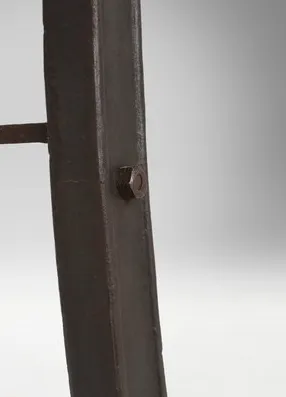
Sustainable Quality - That’s our philosophy.
At Steel Gardens, we believe in crafting pieces that aren’t just beautiful today—but
timeless for decades to come. Every structure we create is built from the highest-quality,
architectural-grade materials, chosen not only for their strength and performance, but for
their minimal environmental impact and unmatched longevity.
Our commitment to galvanized steel, tempered glass, and weather-resistant finishes
means our products can withstand the elements year after year, with little maintenance and
no compromise on elegance. It's a quiet rejection of disposable design—and a return to the
art of building things meant to be passed down.
When you invest in a Steel Garden structure, you’re investing in something more than a
space. You’re investing in a legacy.
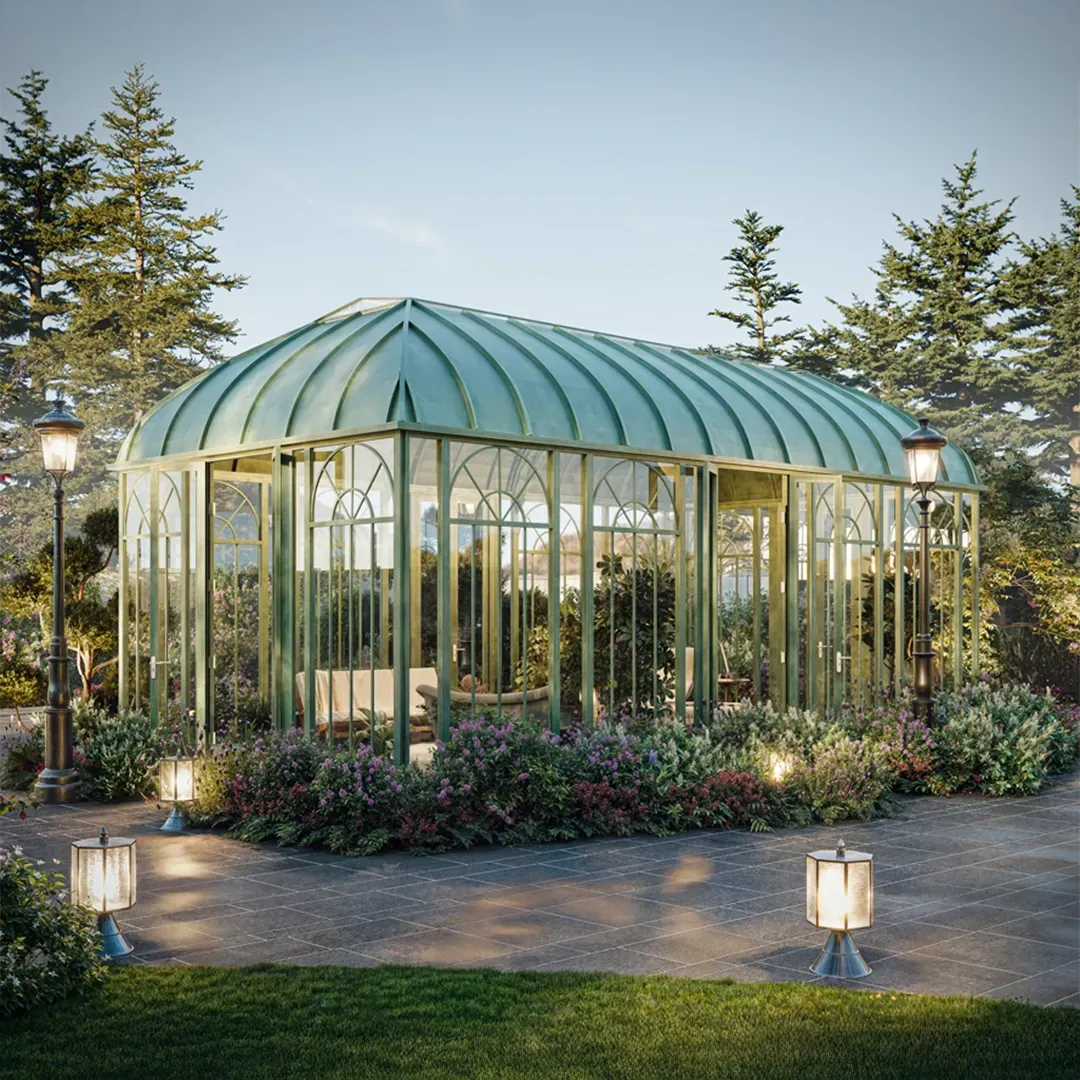
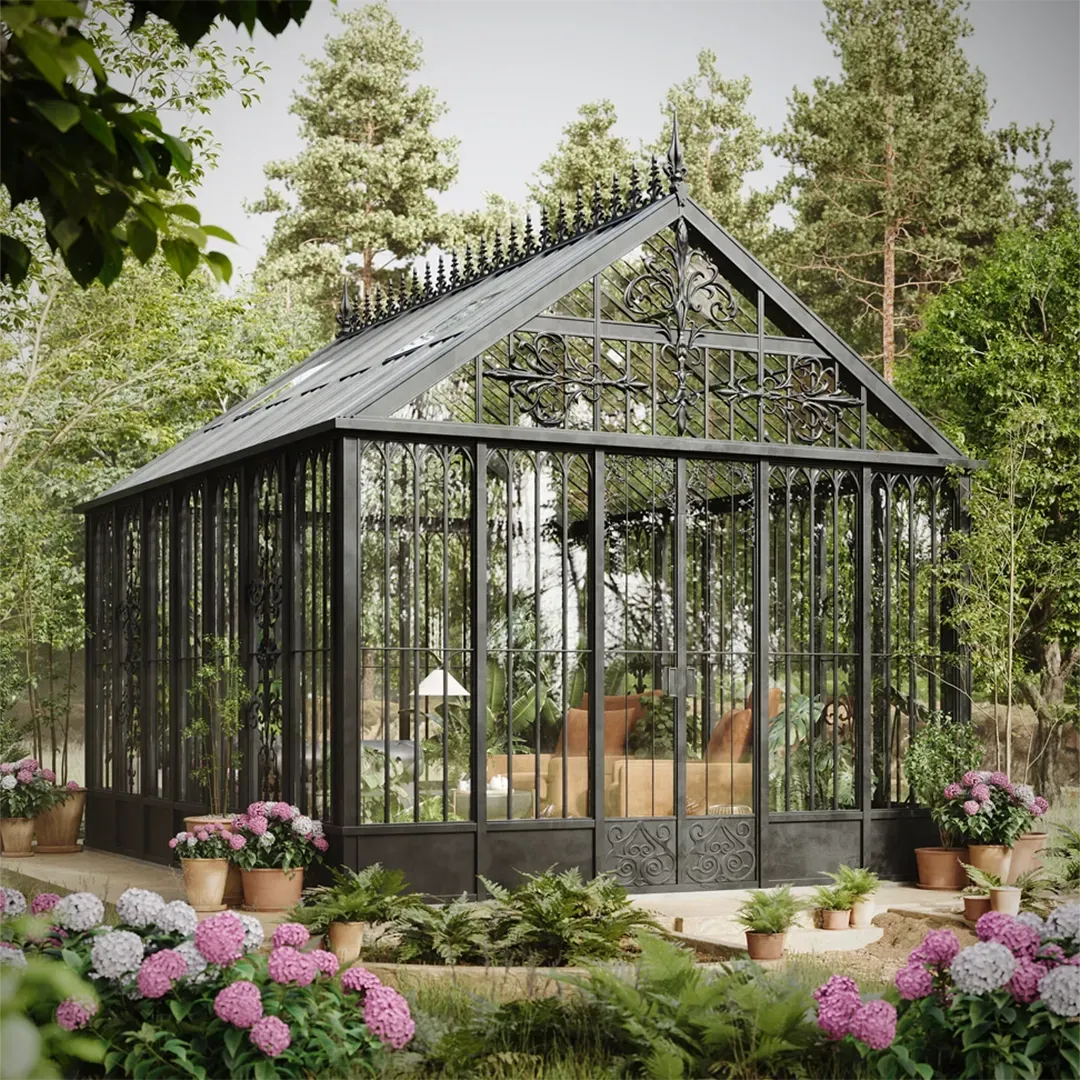
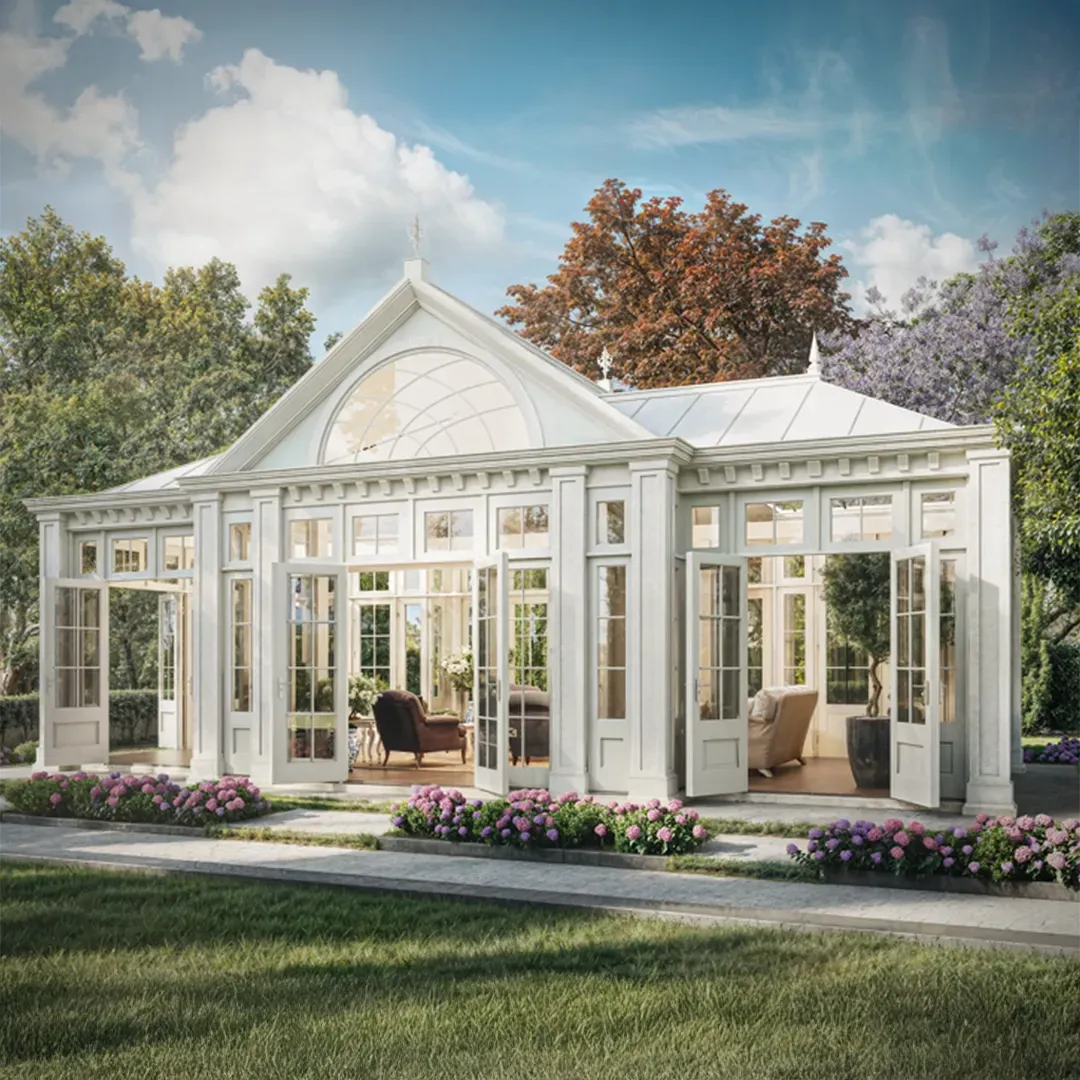
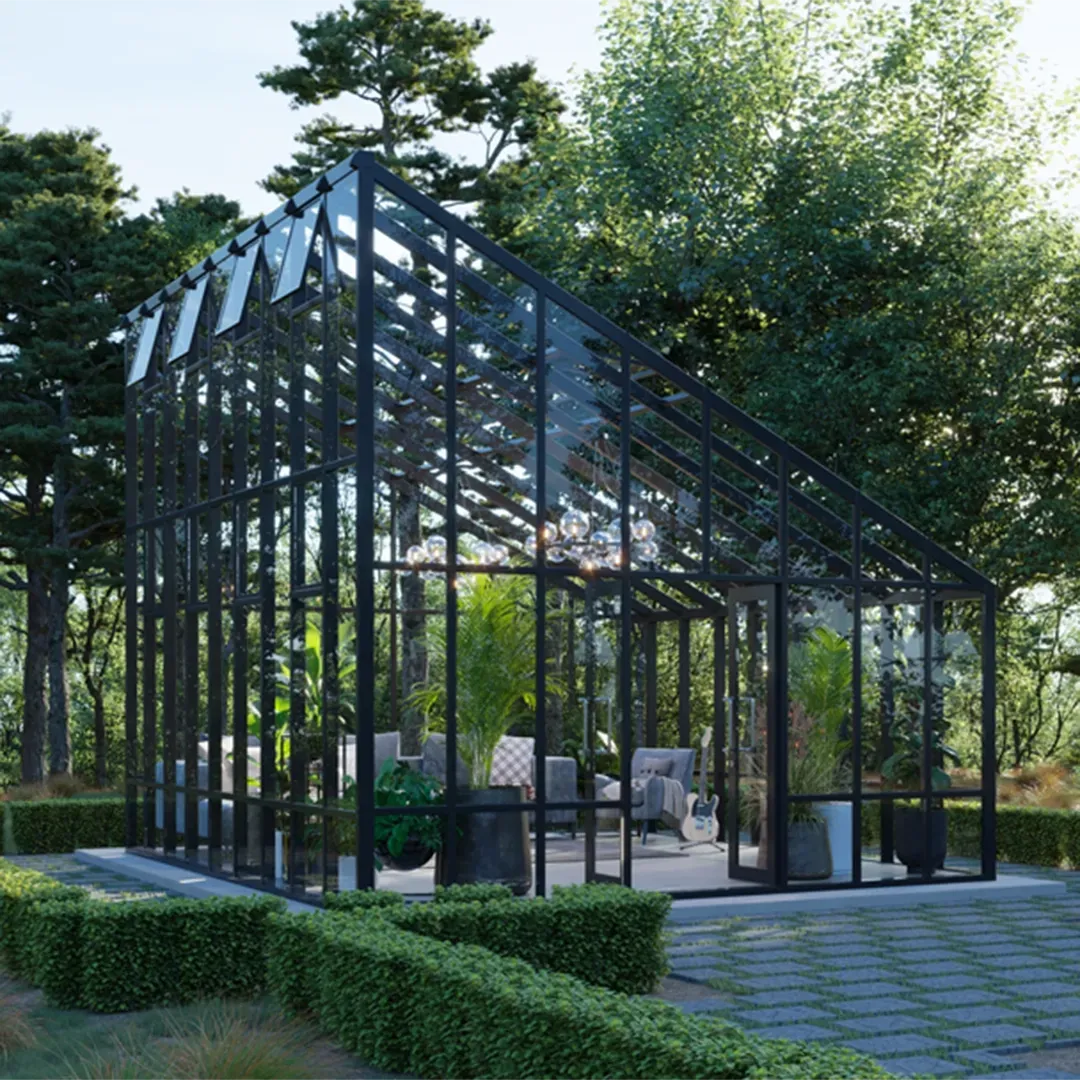
Bespoke Greenhouses
Crafted with Passion, Inspired by History
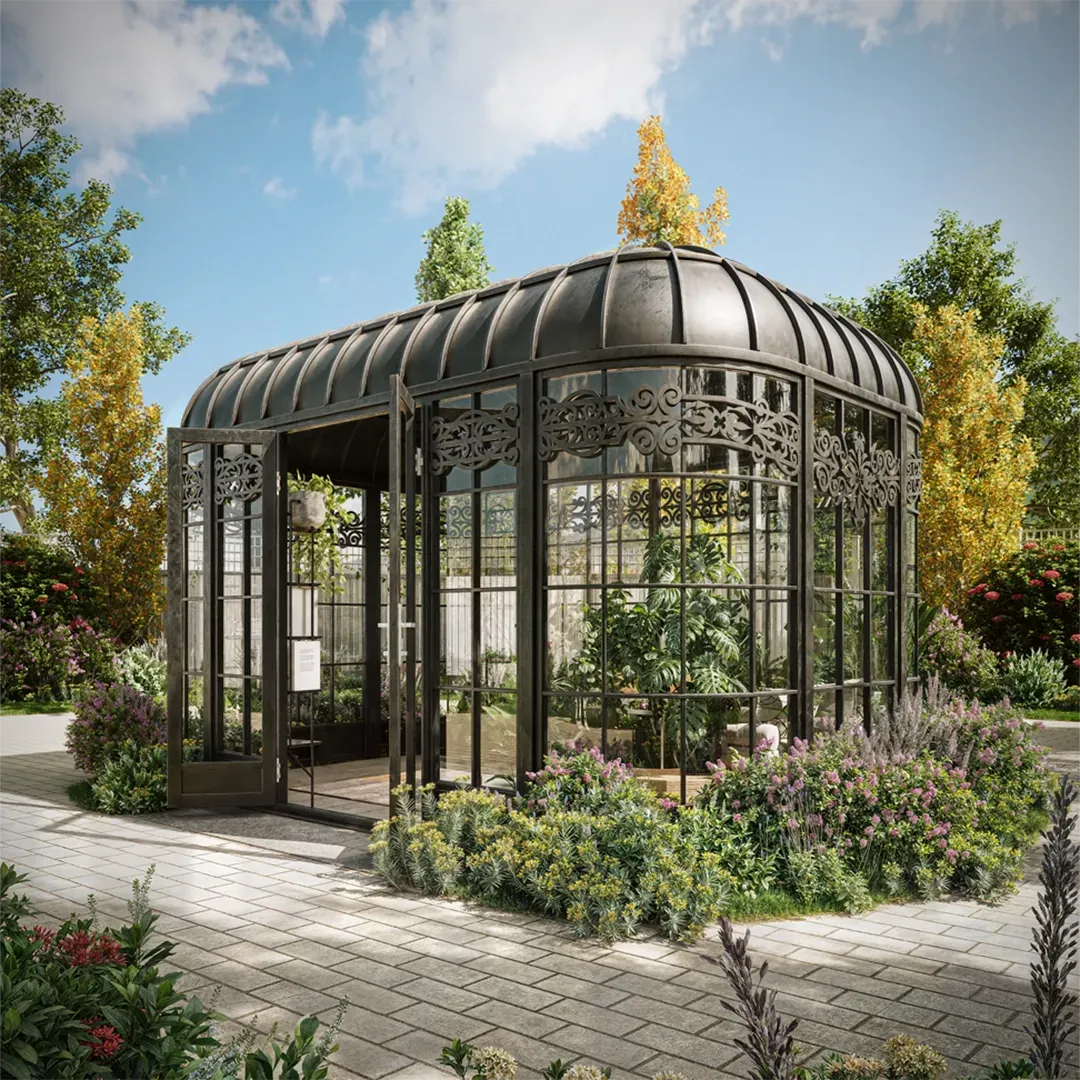
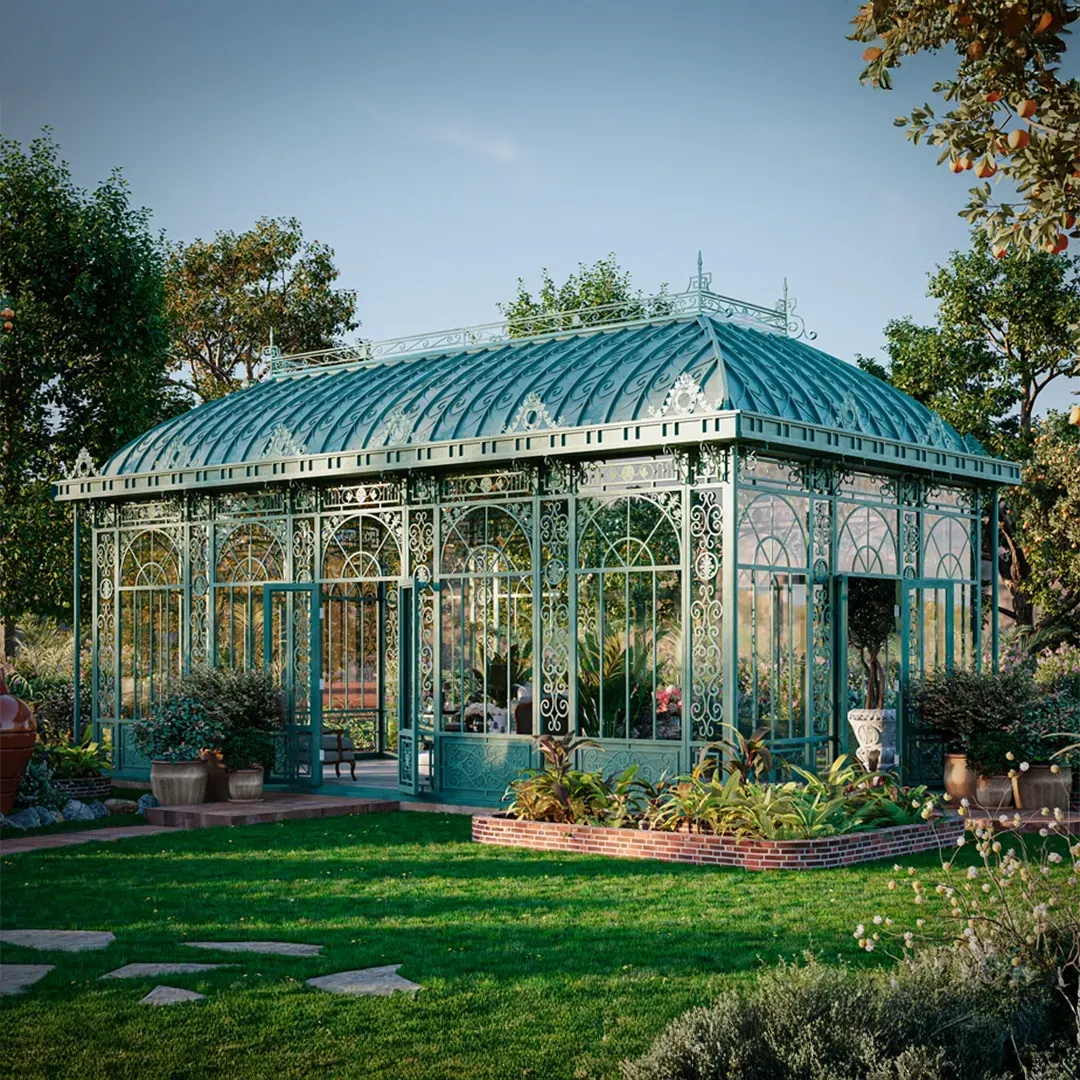
Our custom-designed steel and glass greenhouses unite precision engineering, architectural artistry, and your unique vision.
Collaborate with our expert design team to craft a bespoke structure tailored to your style, space, and functional needs—where beauty meets lasting durability.
Arches & Trellis
Where Quality Stands Apart
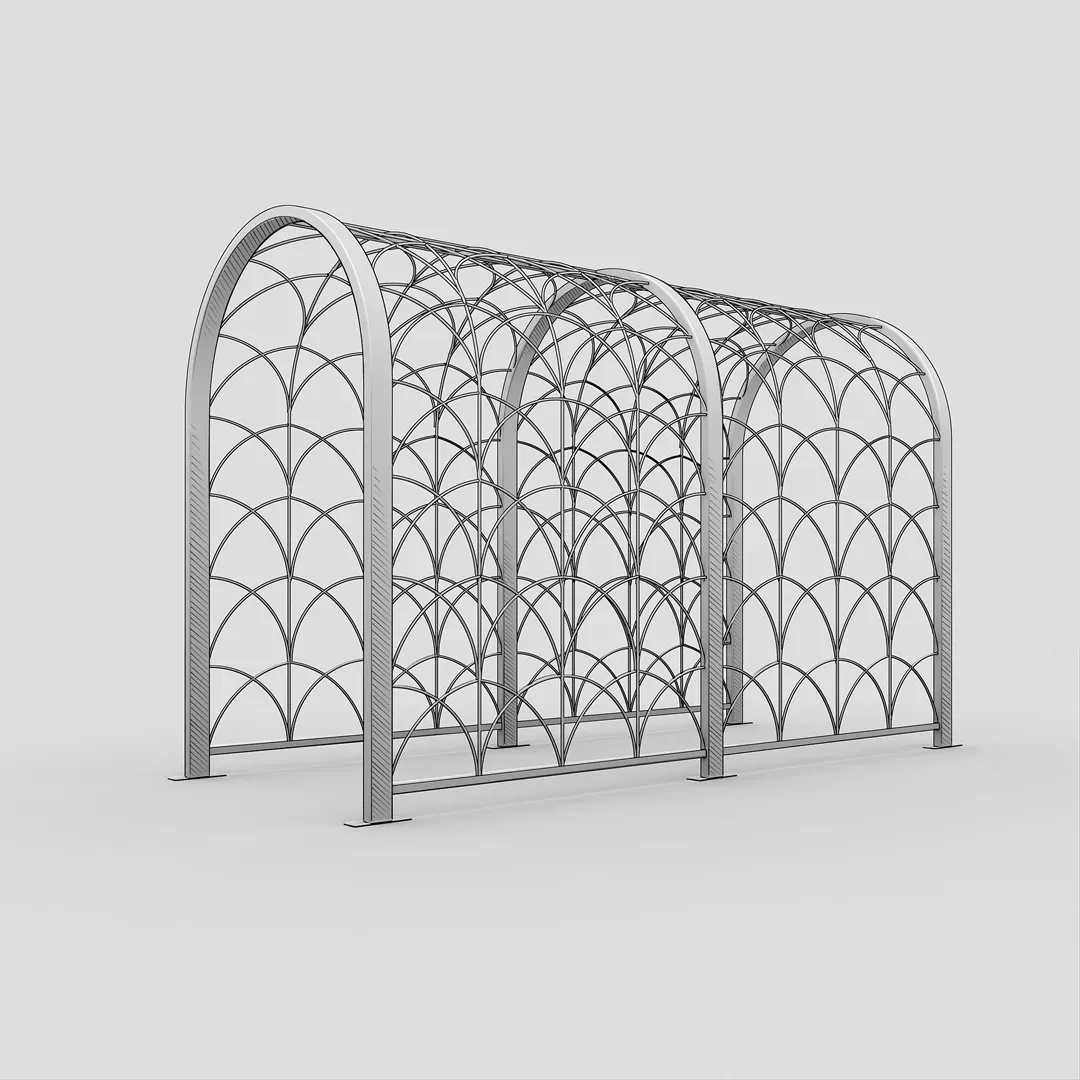
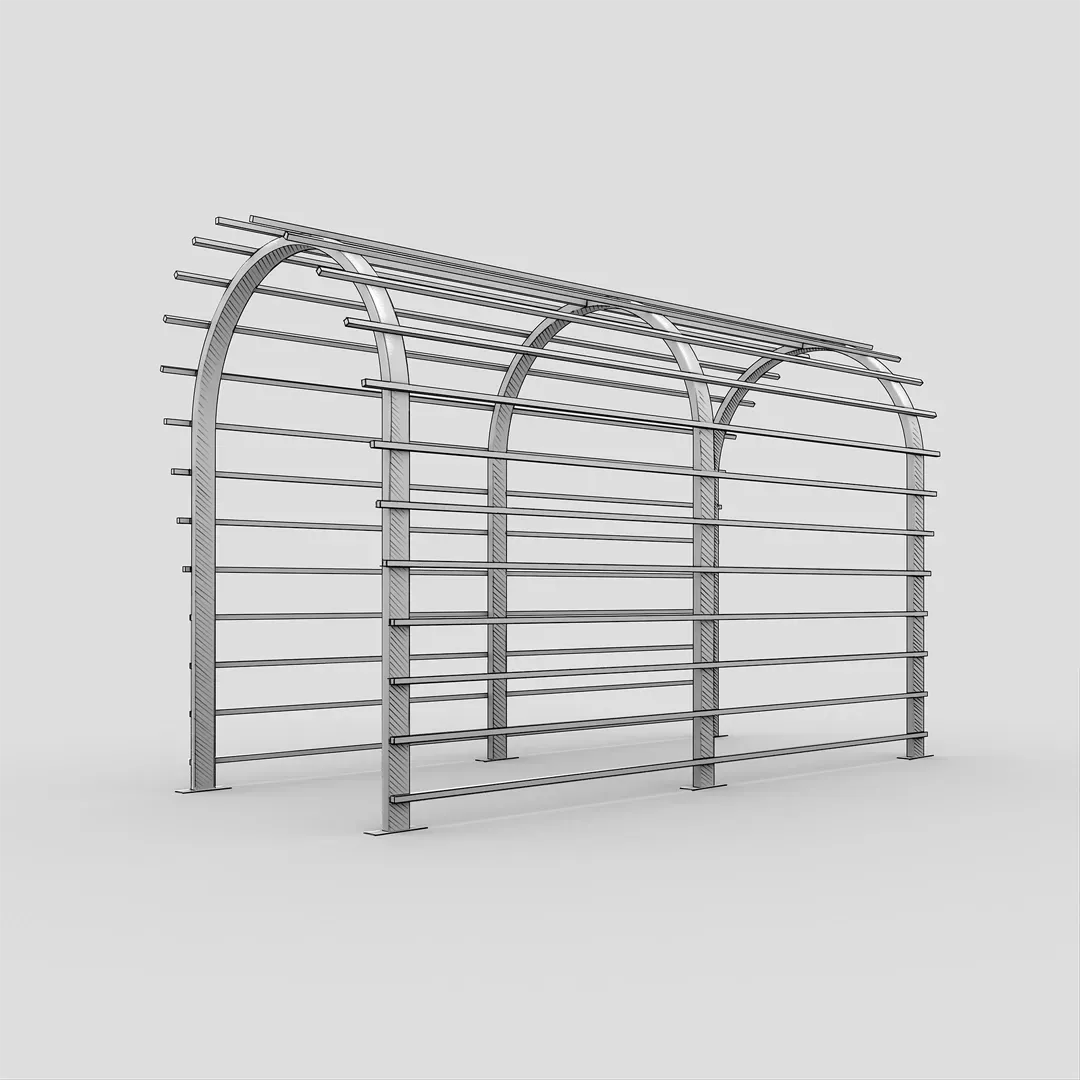
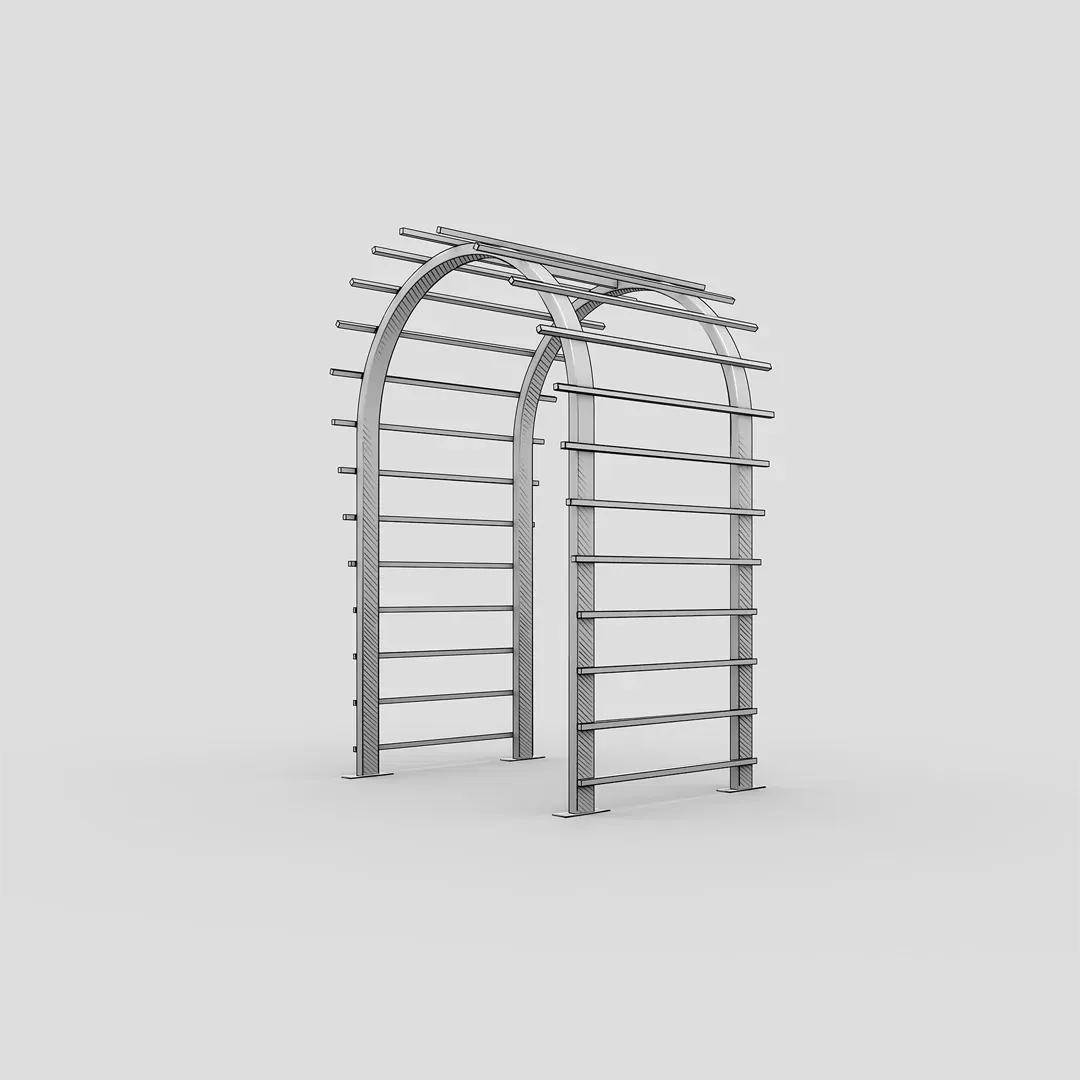
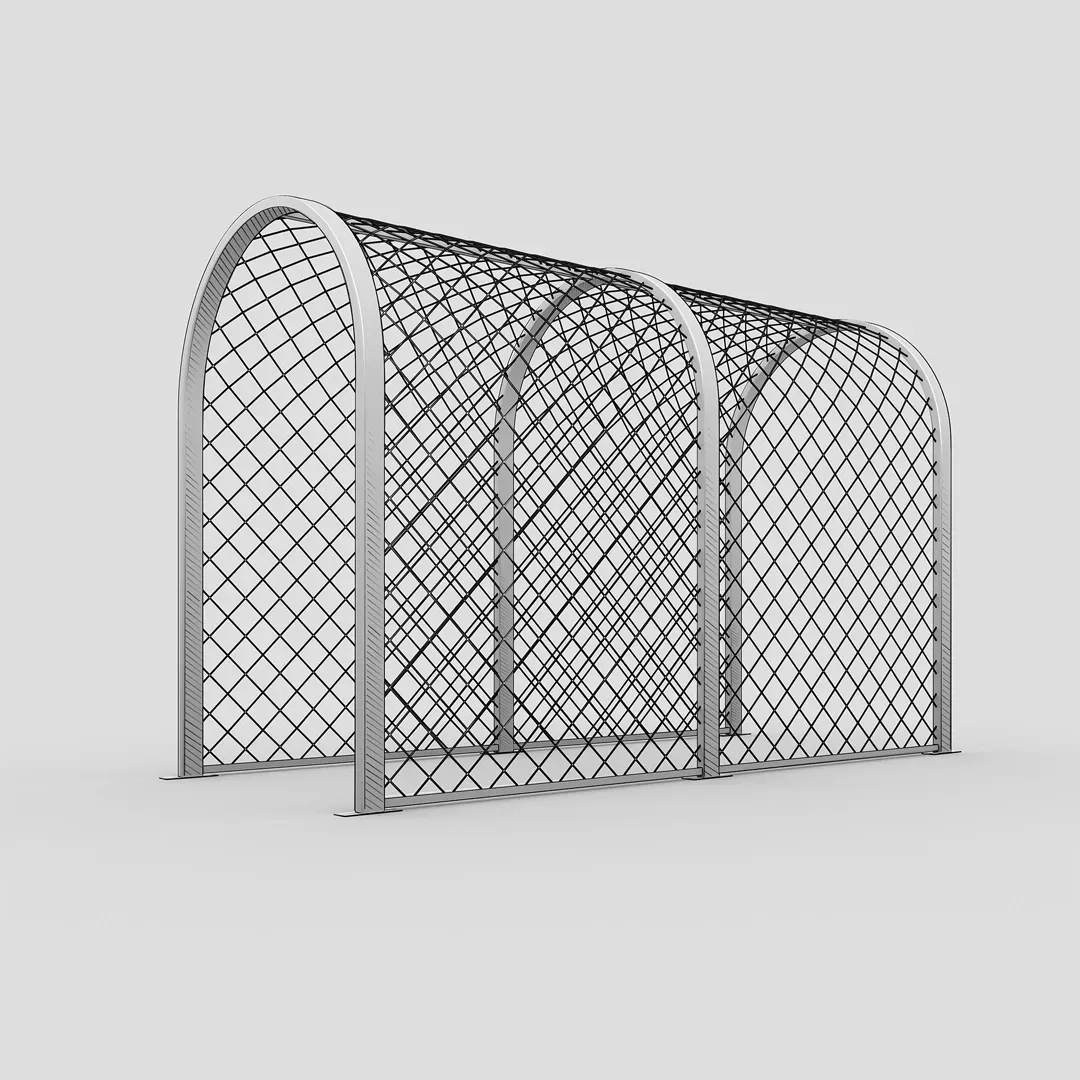
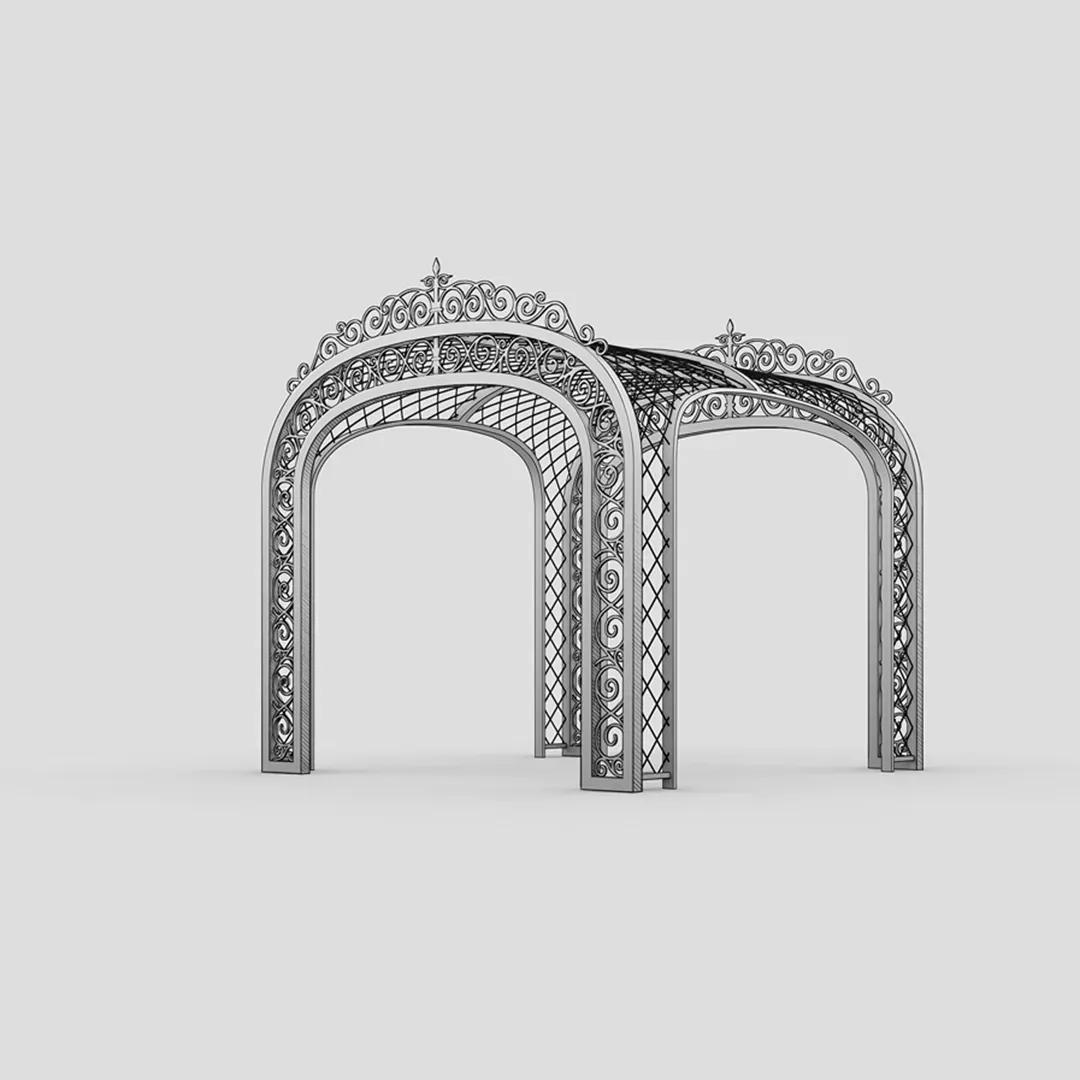
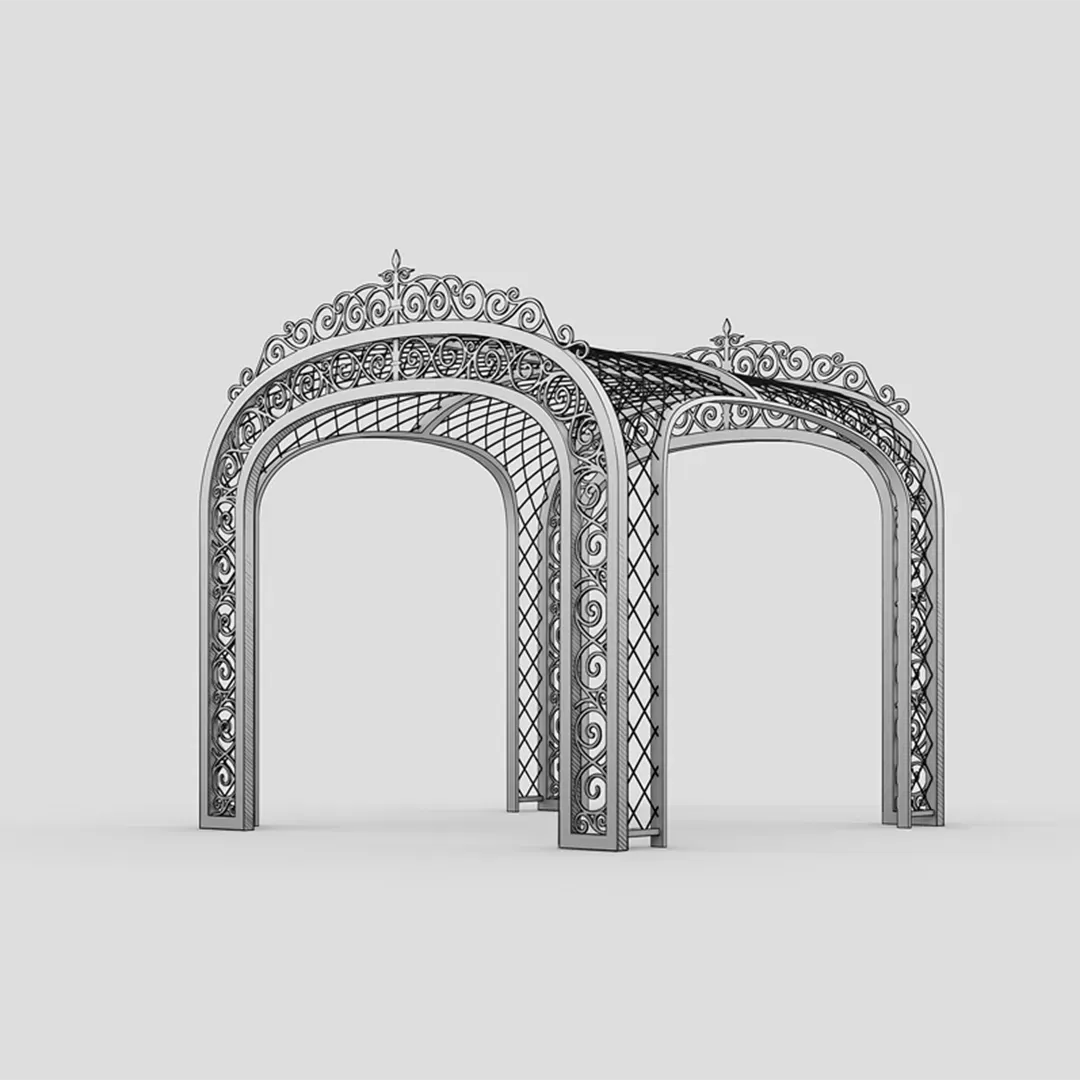
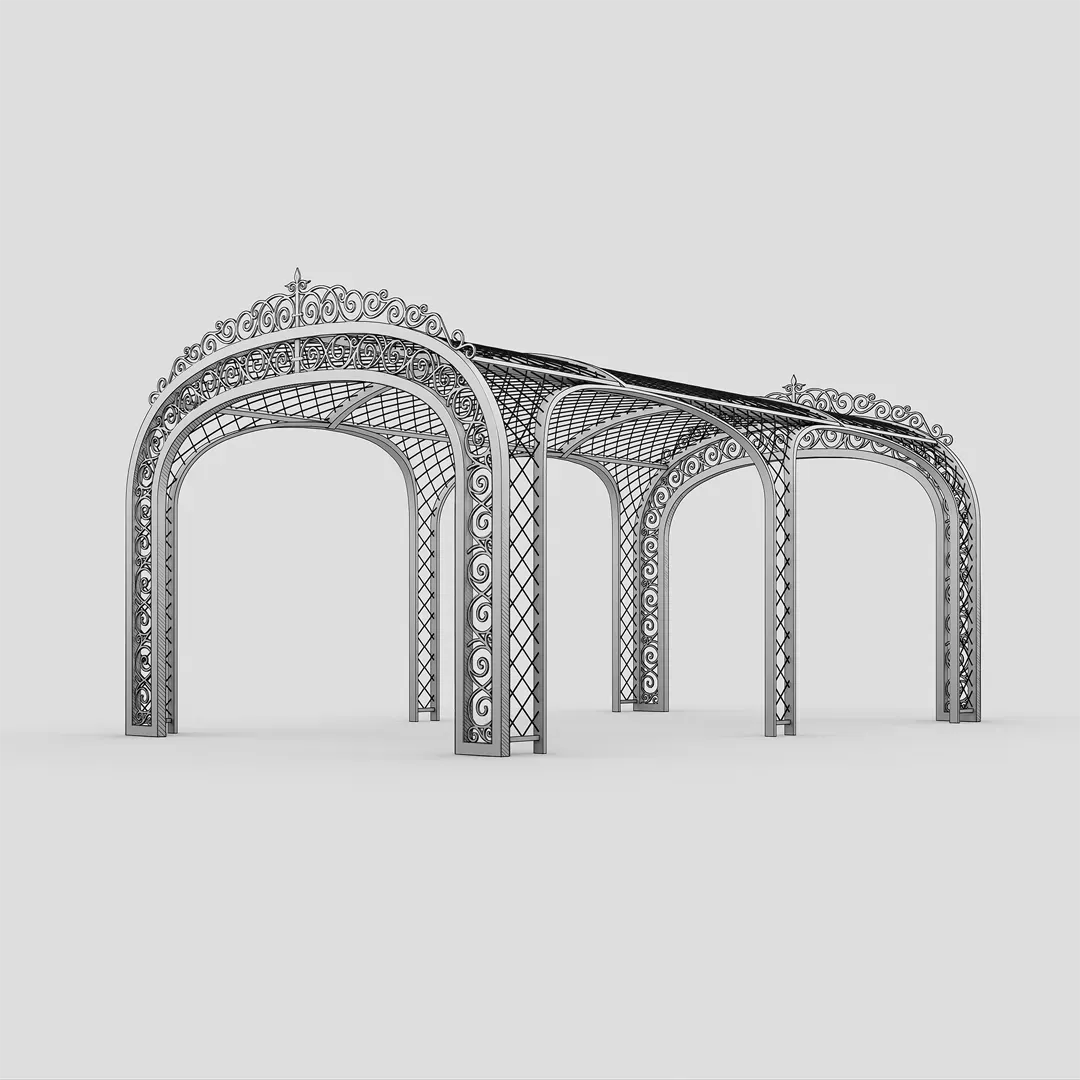
Our arches are built to last, crafted from powder-coated structural steel that won’t rust and stands up beautifully to the elements. Available in three standard sizes, each arch is designed to integrate seamlessly into any landscape. Choose from three elegant trellis styles to elevate your garden with lasting sophistication.
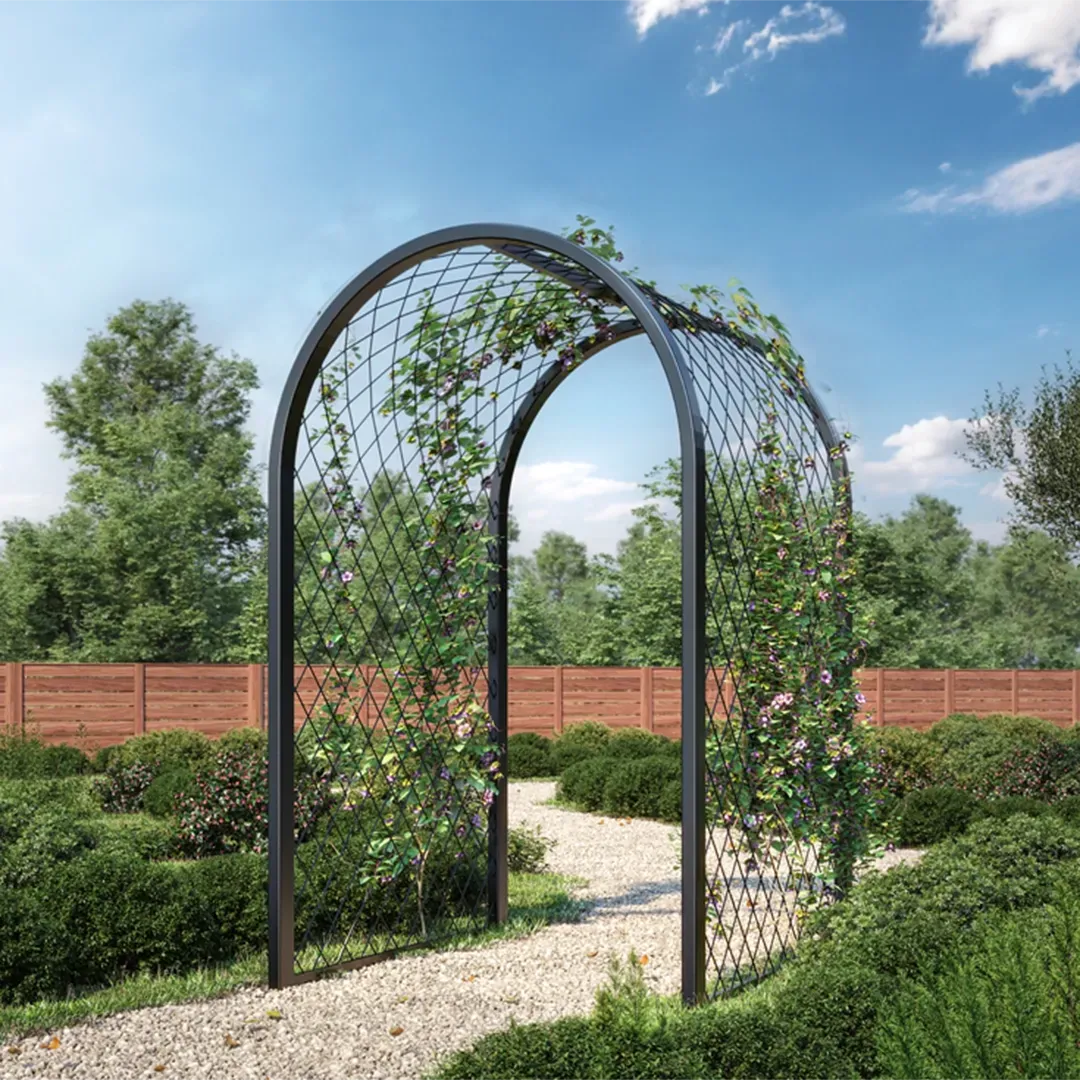
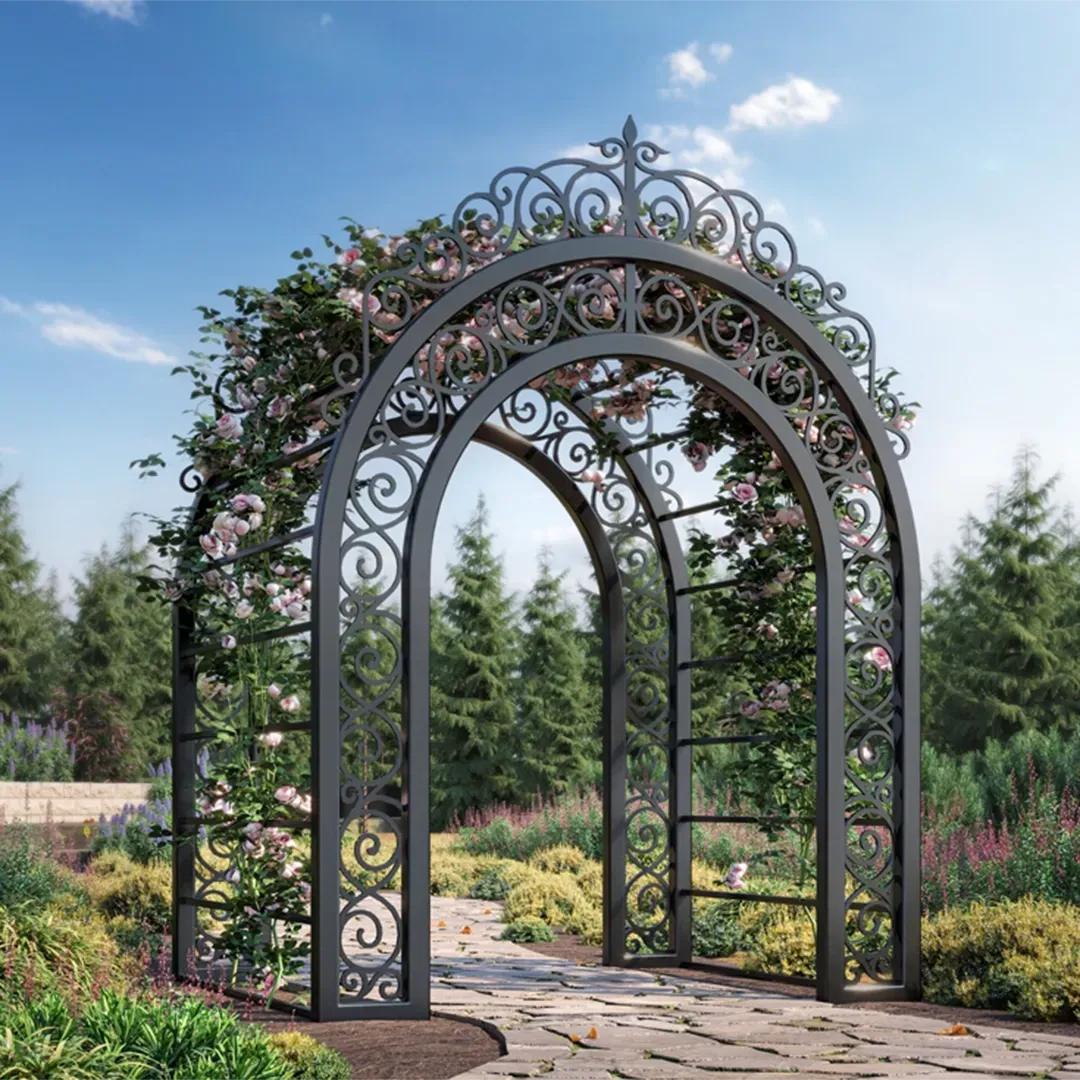

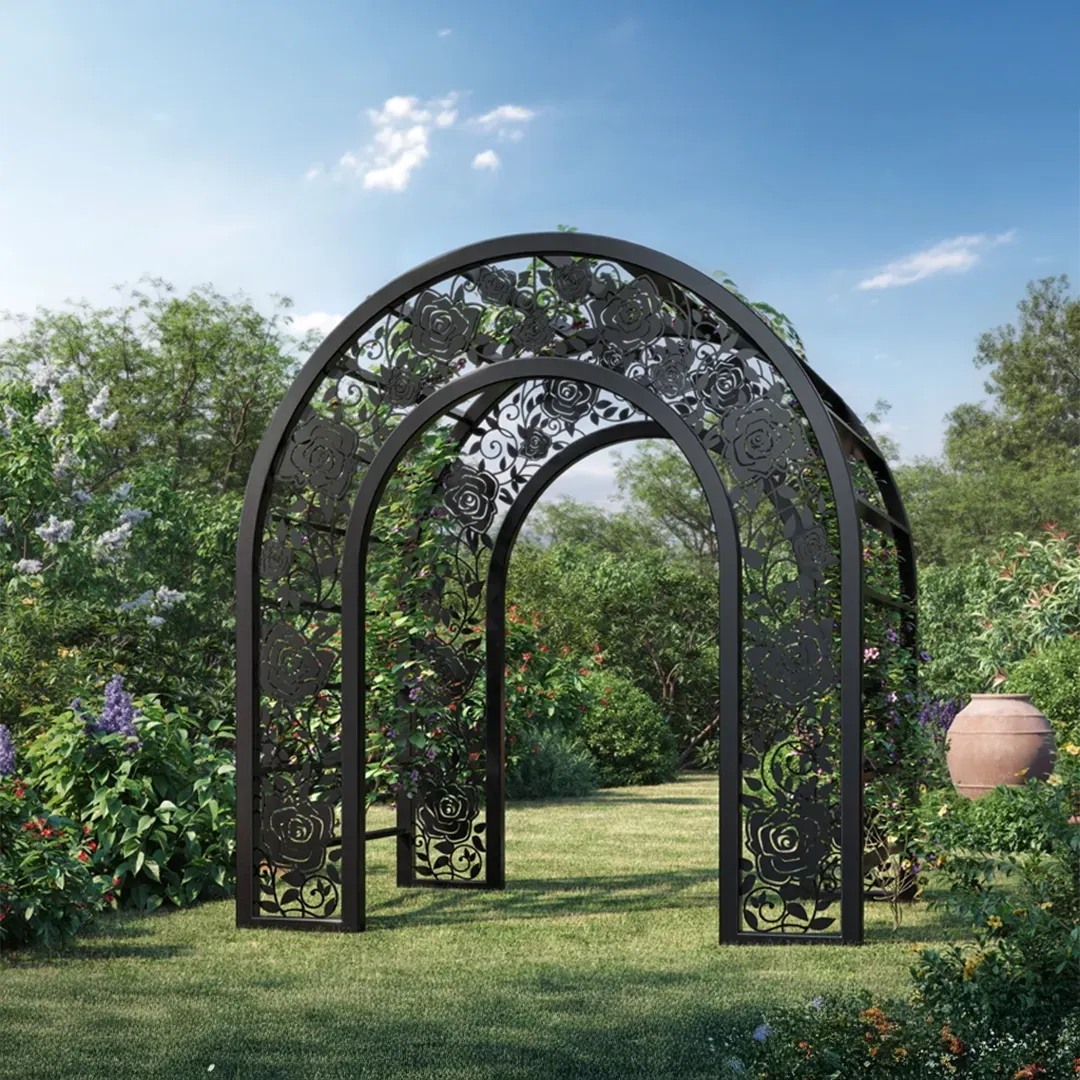
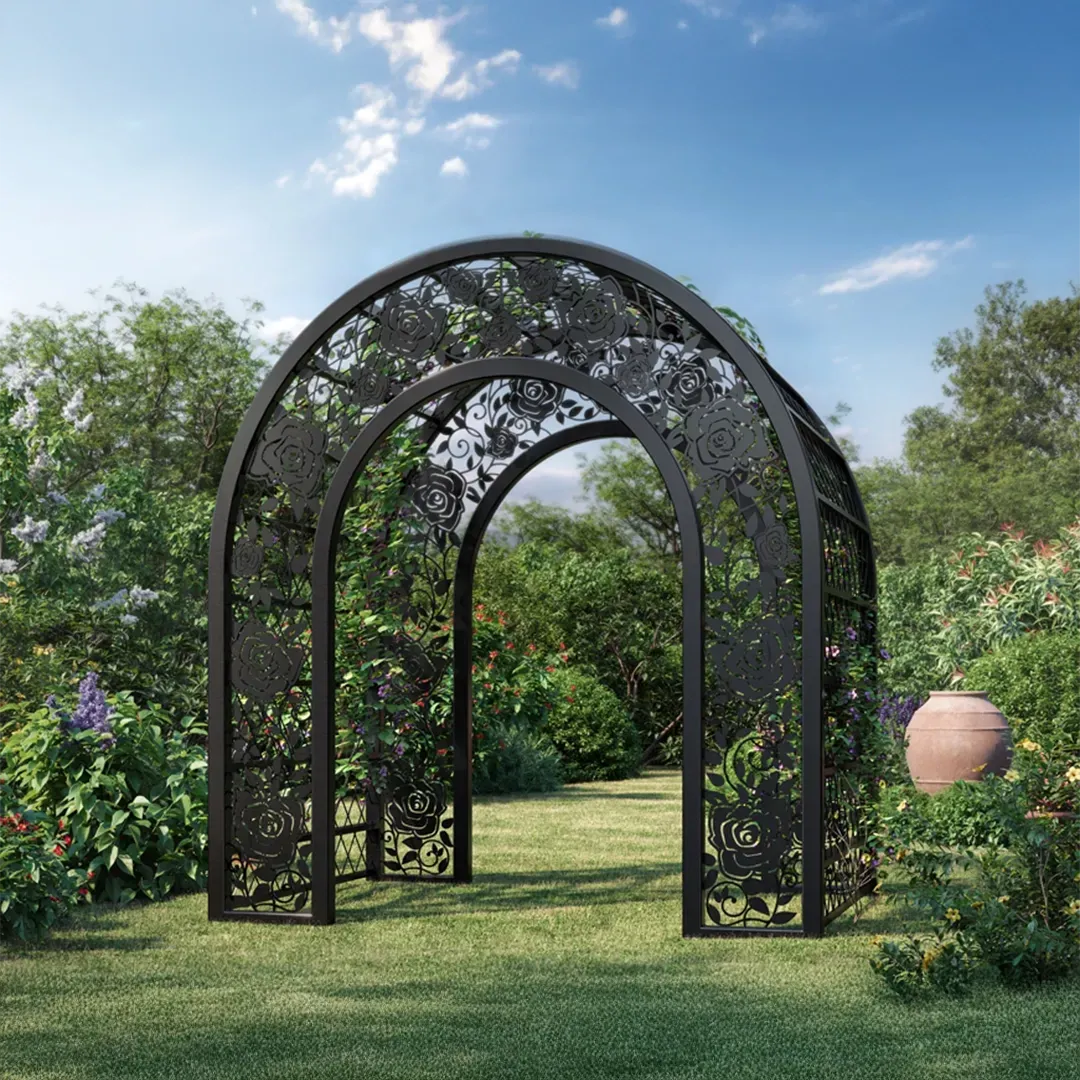
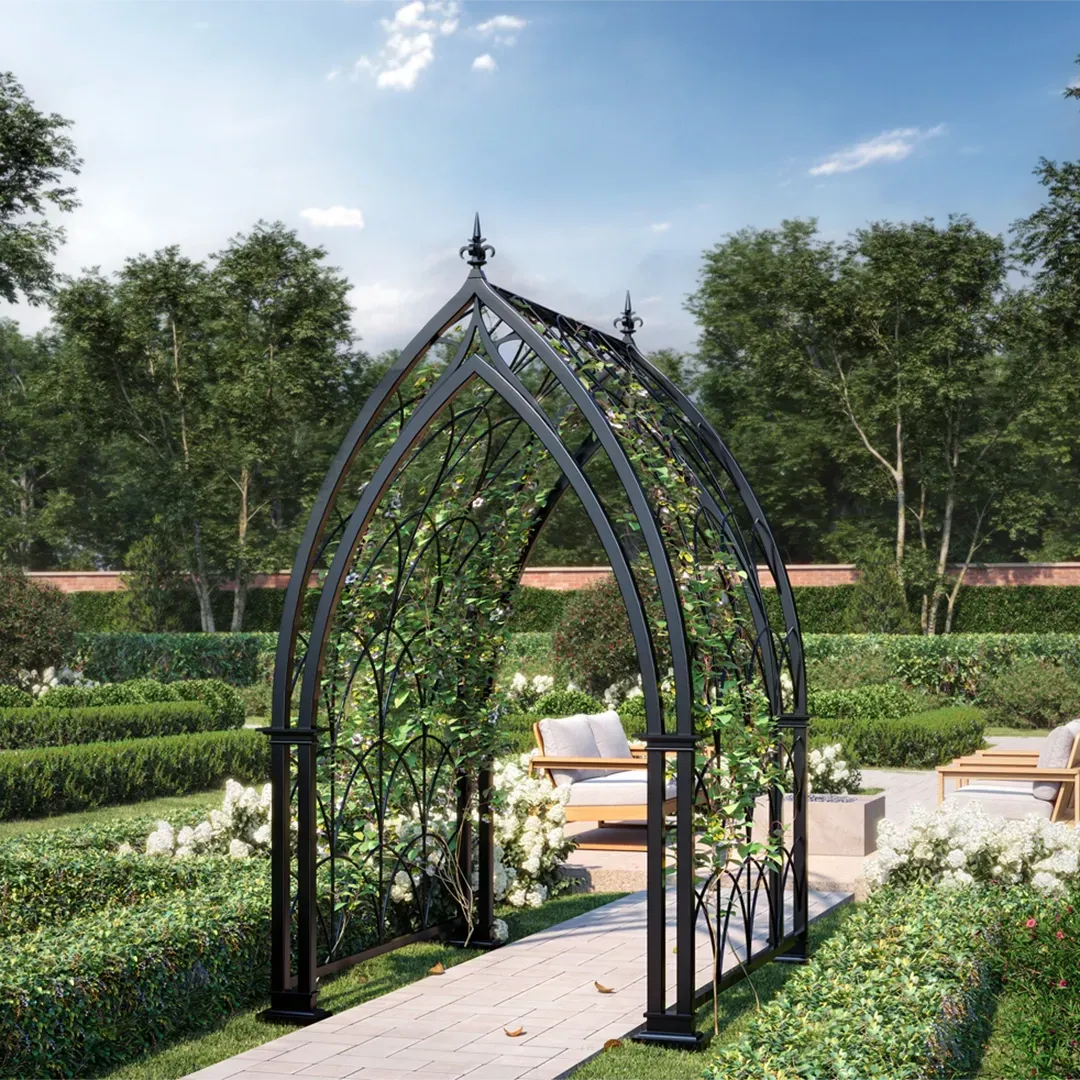
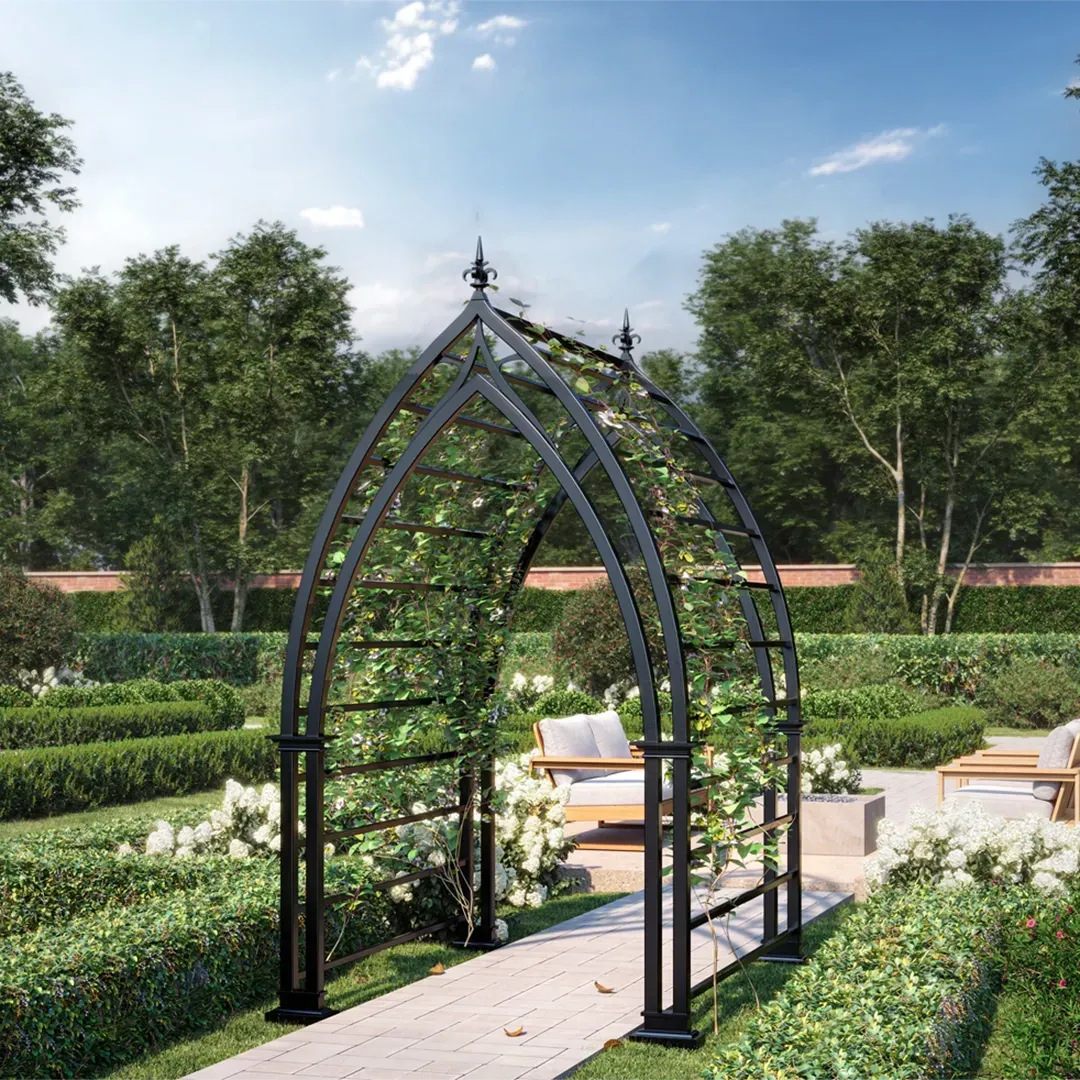
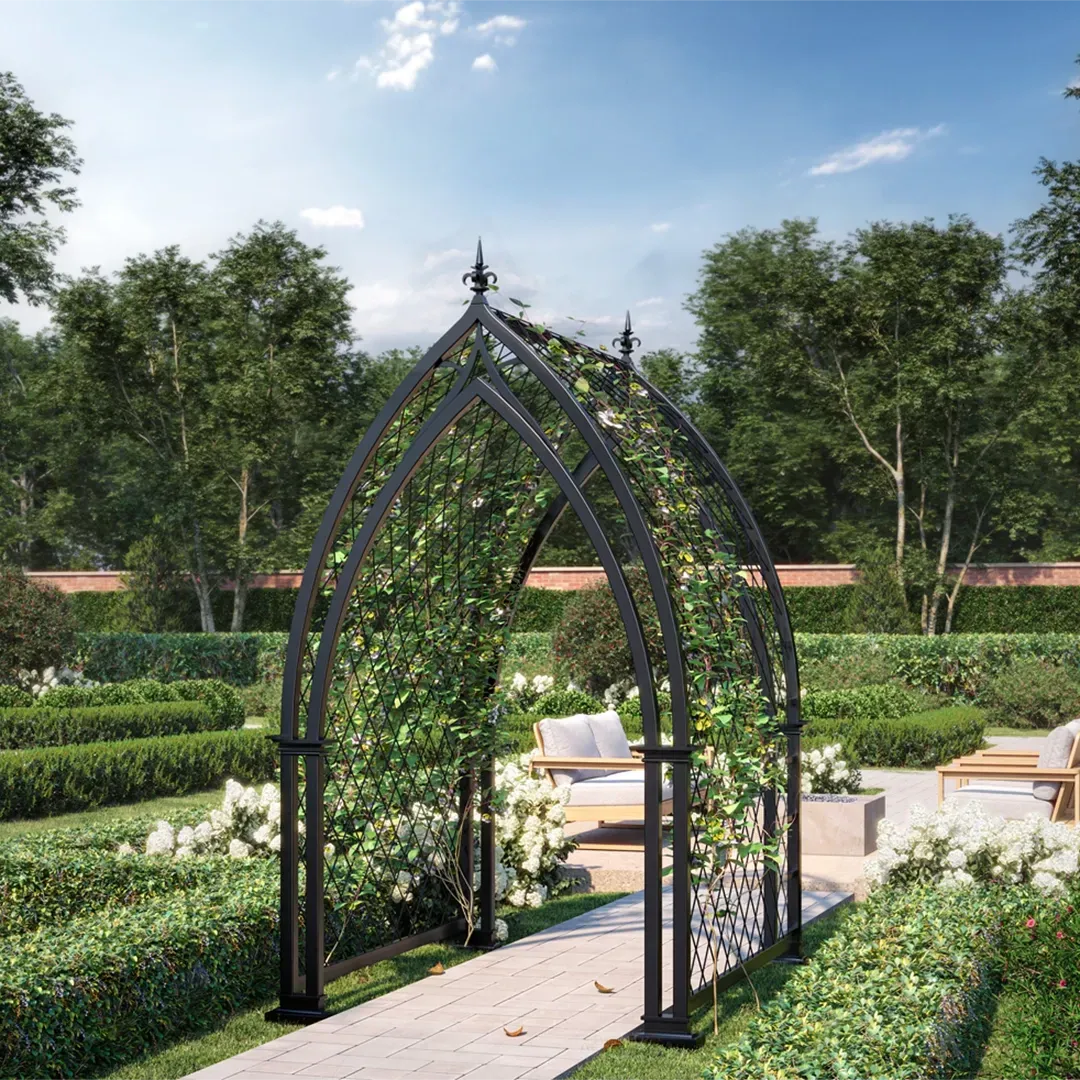
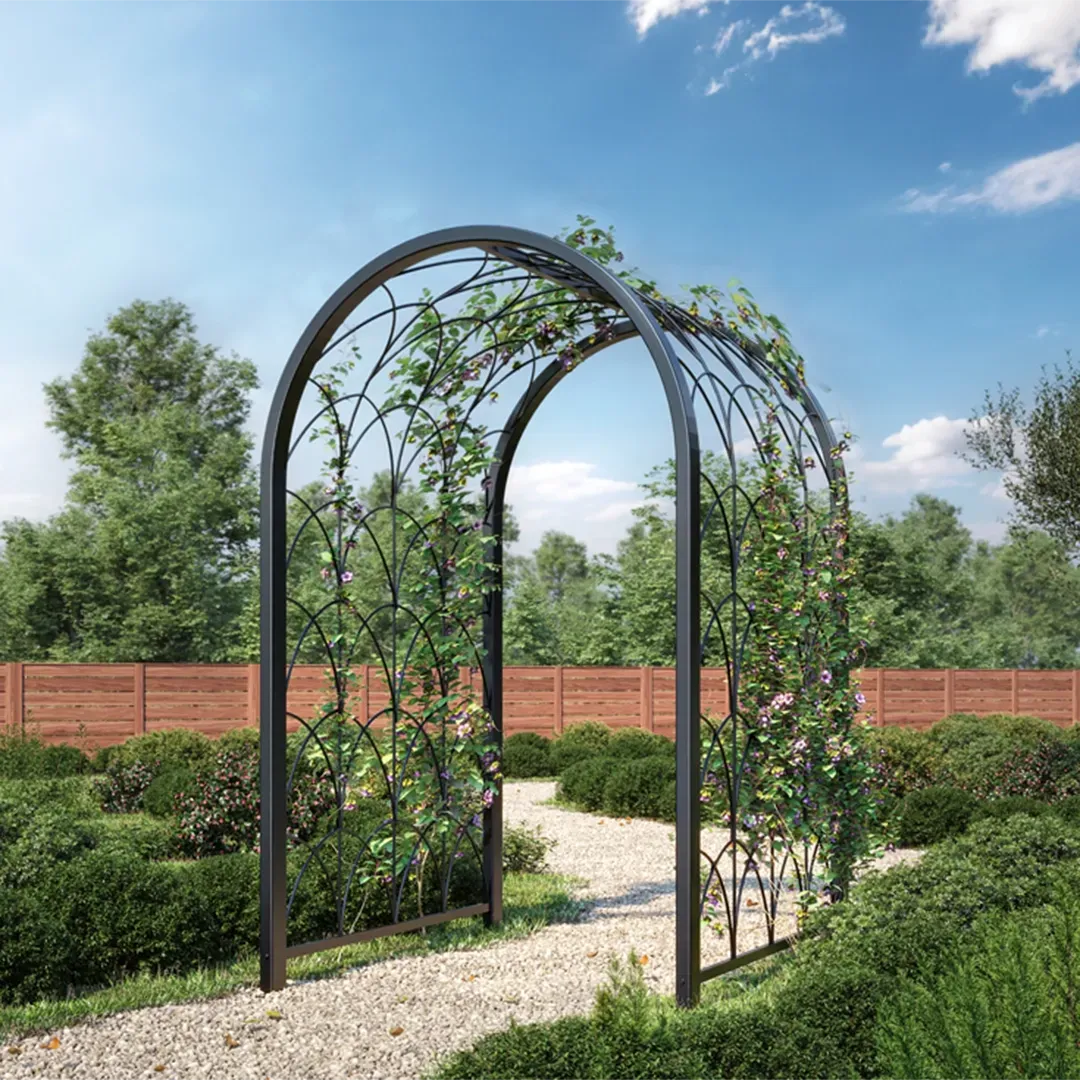
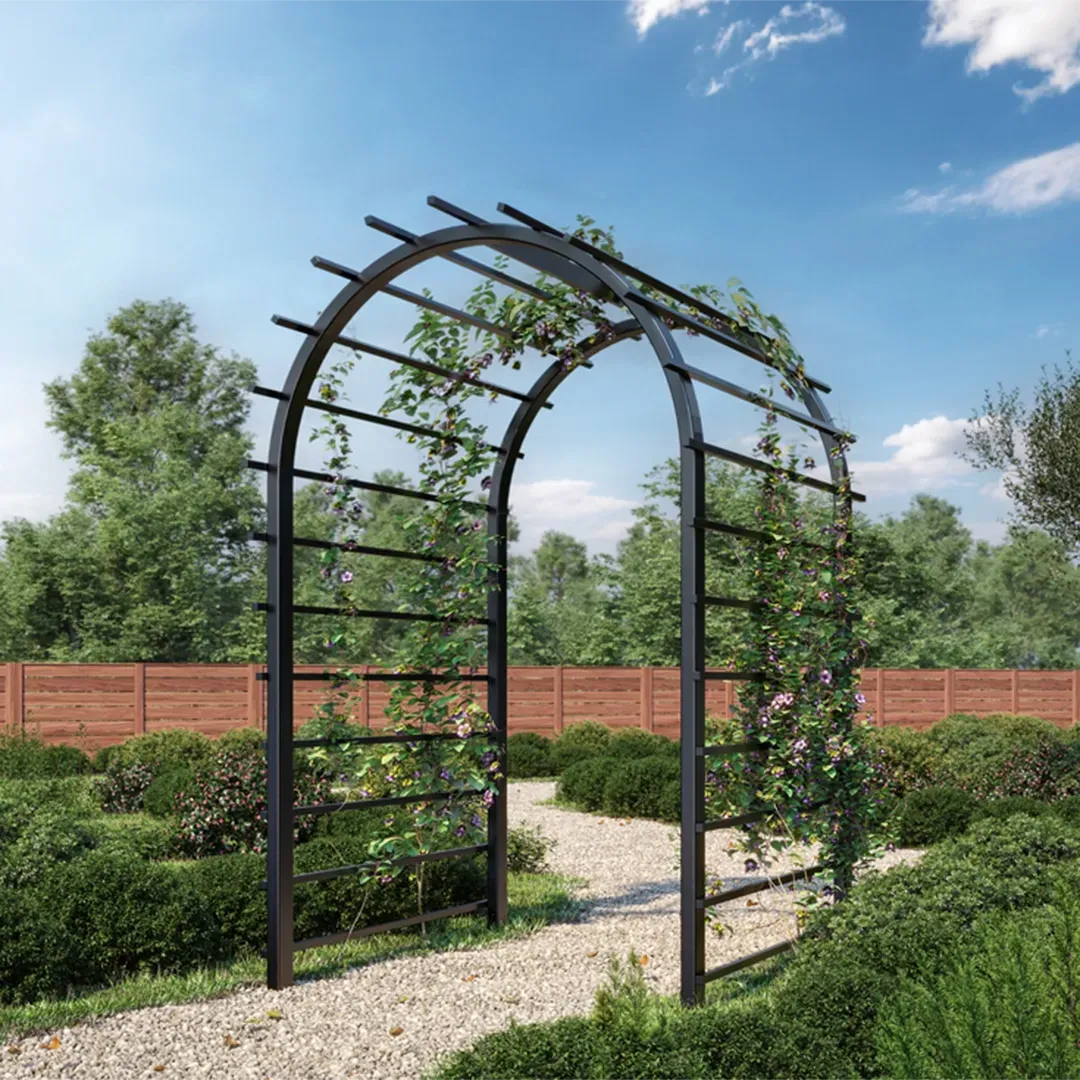
Arches & Trellises
Where Quality Stands Apart
Our arches come in three standard sizes, designed to seamlessly integrate into any landscape. Choose from three distinct trellis options, each crafted to enhance your garden’s aesthetic with elegance and style.
Gazebos
A Timeless Asset in Architectural Beauty
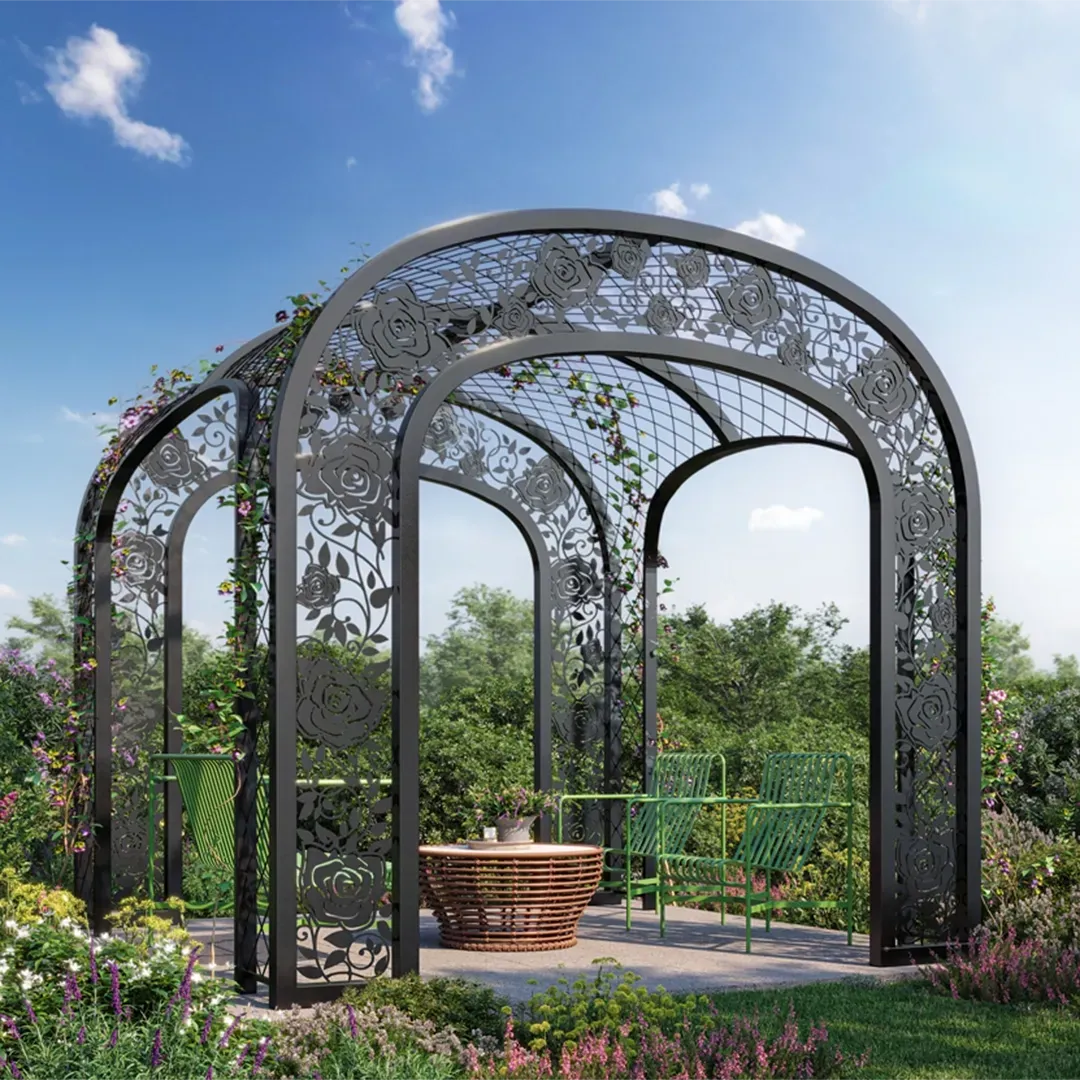
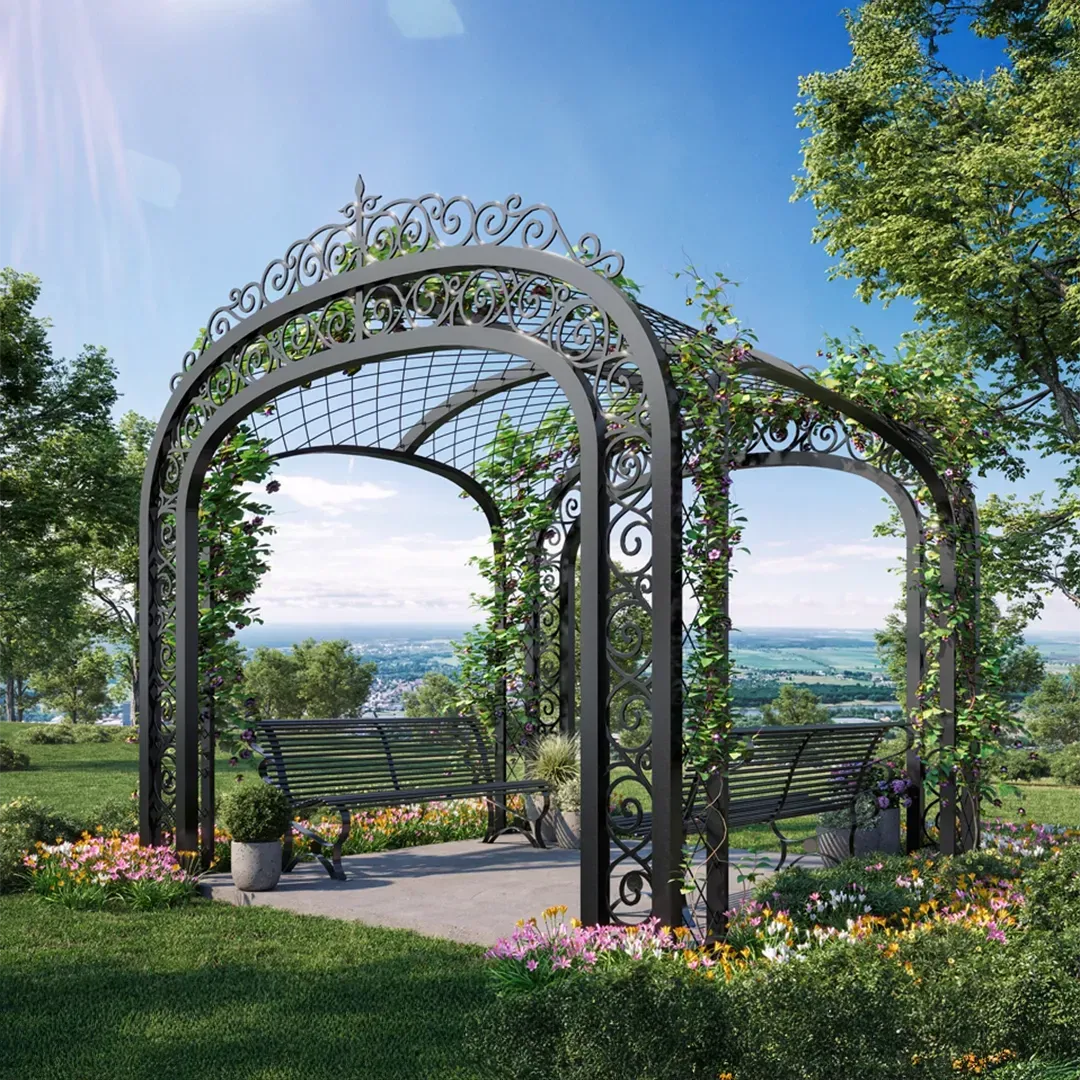
Our gazebos are more than just shade structures—they are timeless investments in both your property and lifestyle.
Designed for entertaining, dining, or quiet relaxation, each piece is meticulously crafted to blend elegance with durability, creating a stunning focal point for your outdoor space.
Outdoor Furniture
Where Luxury Meets Lasting Strength
Elevate your outdoor space with Steel Gardens' modern, versatile furniture collection—designed to complement any garden or backyard with sophistication and comfort. Each piece is made to order, ensuring a seamless fit for your unique style and space.


Outdoor Furniture
Where Luxury Meets Lasting Strength
Elevate your outdoor space with Steel Gardens' modern, versatile furniture collection—designed to complement any garden or backyard with sophistication and comfort. Each piece is made to order, ensuring a seamless fit for your unique style and space.
Featured Designs for Elevated Outdoor Living
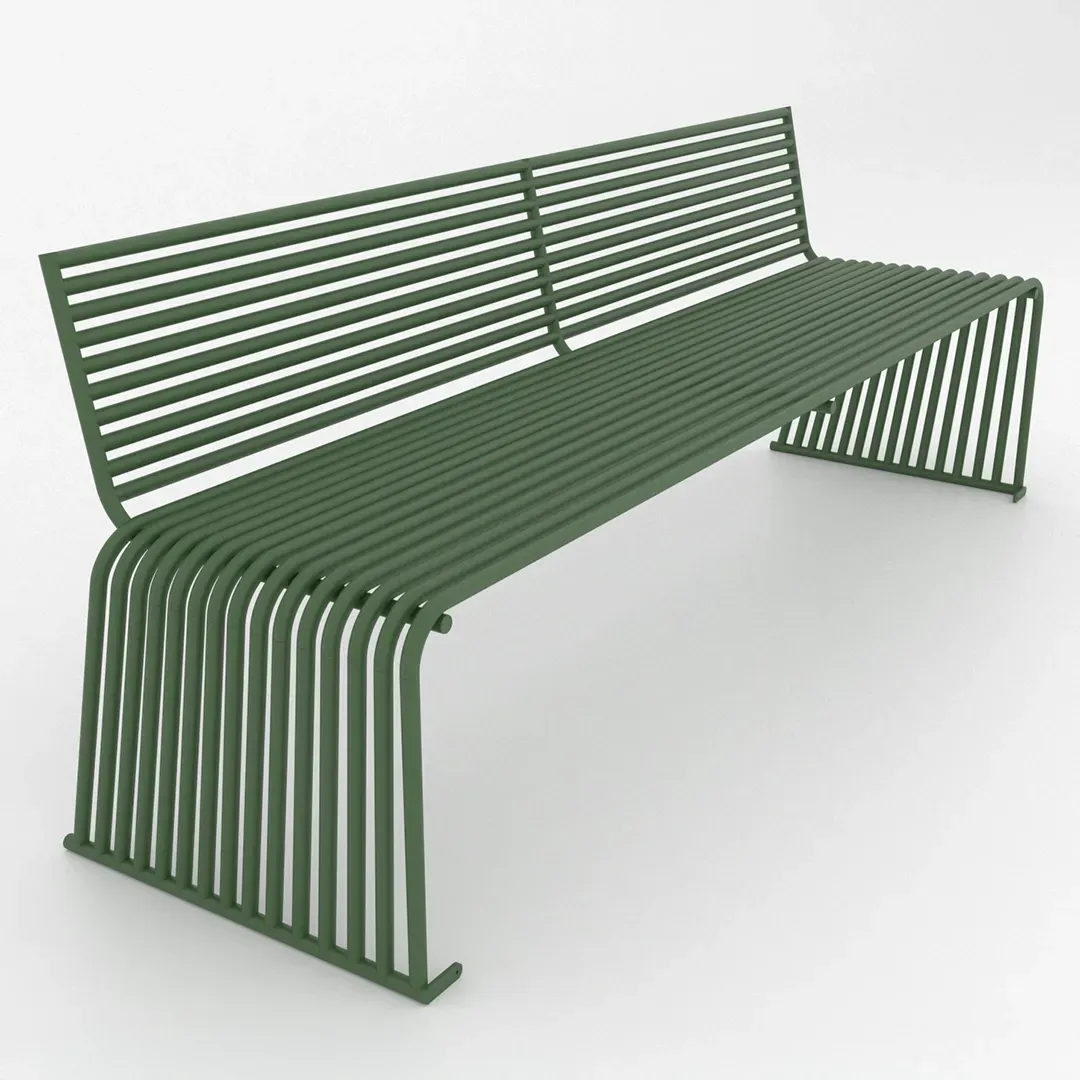
The Courtyard Bench
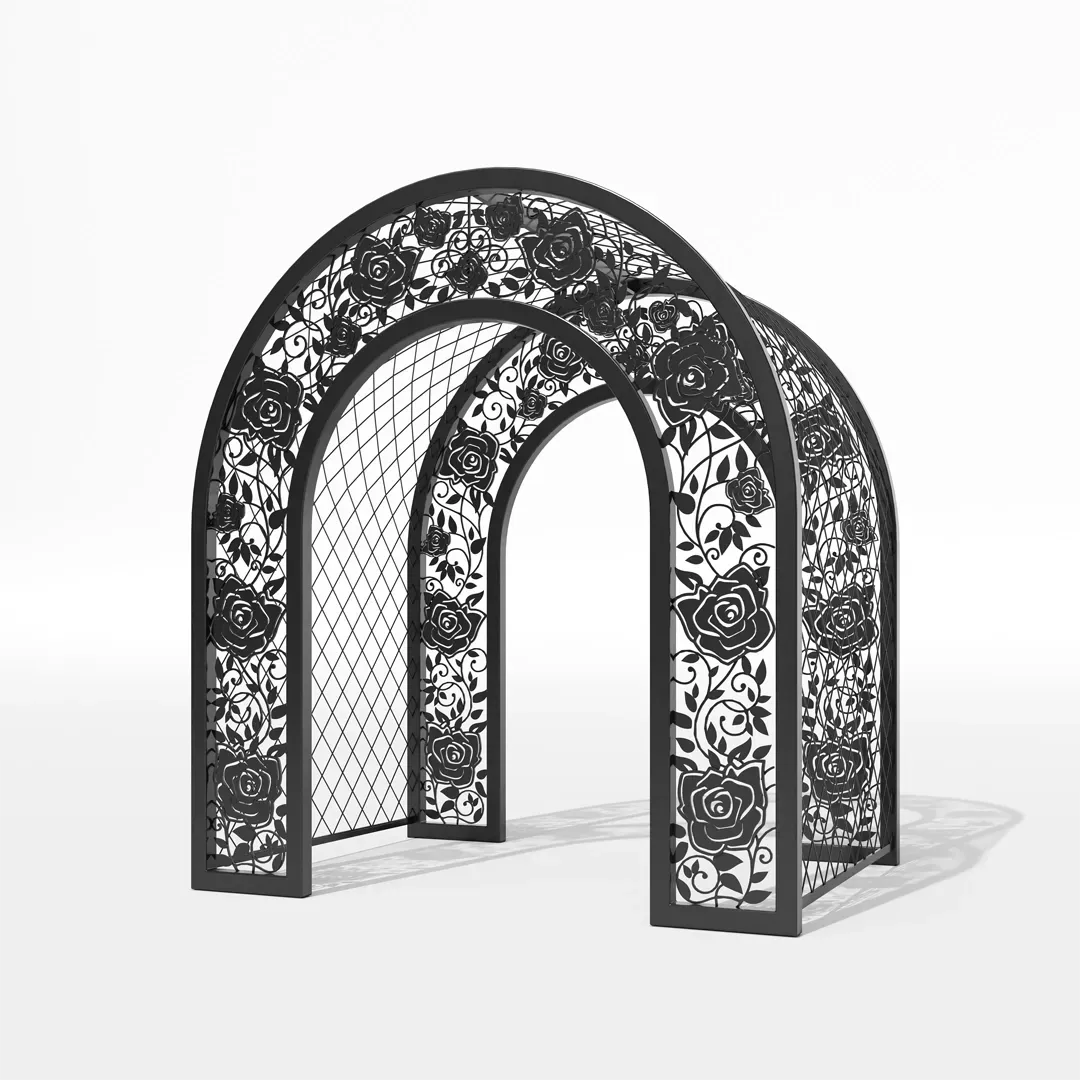
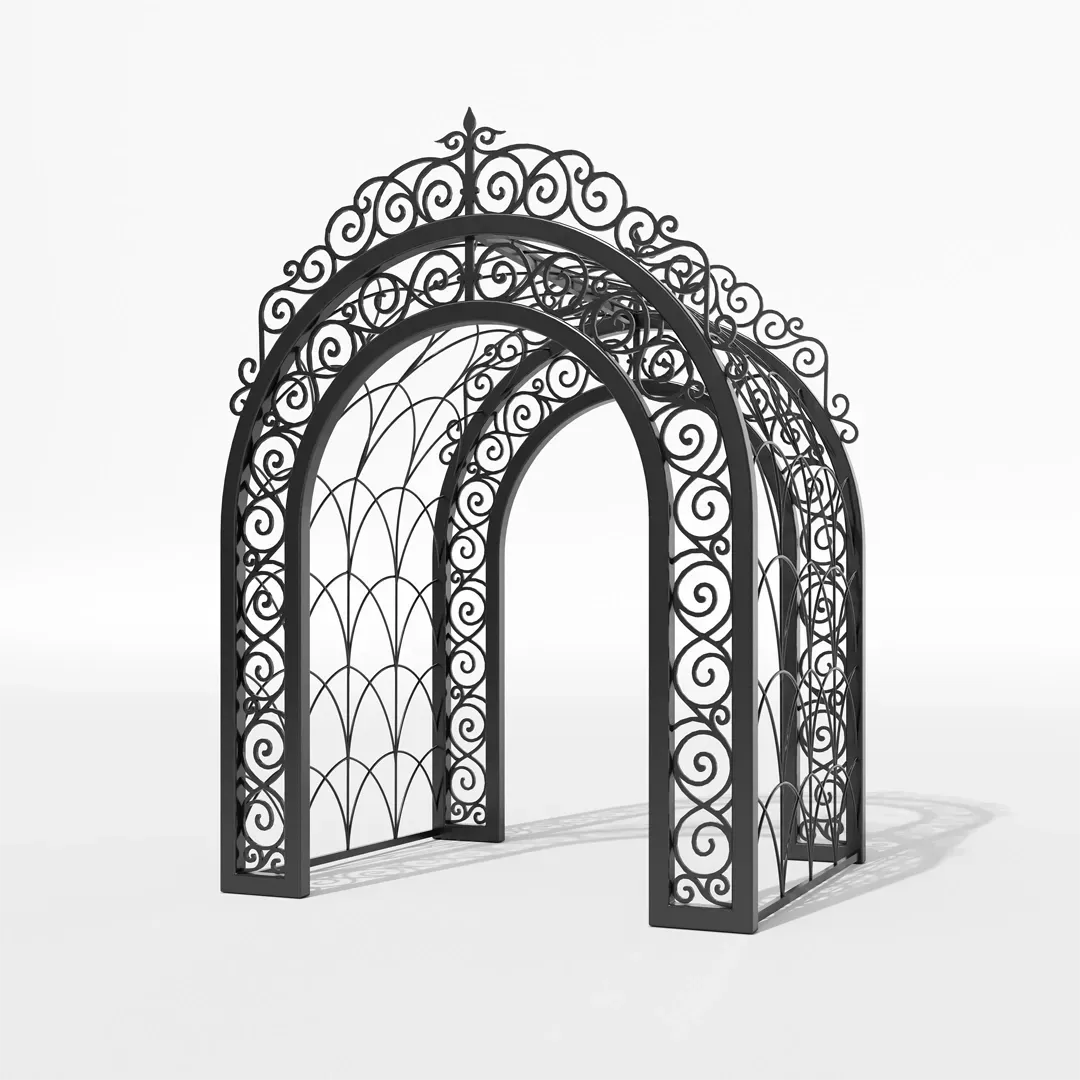
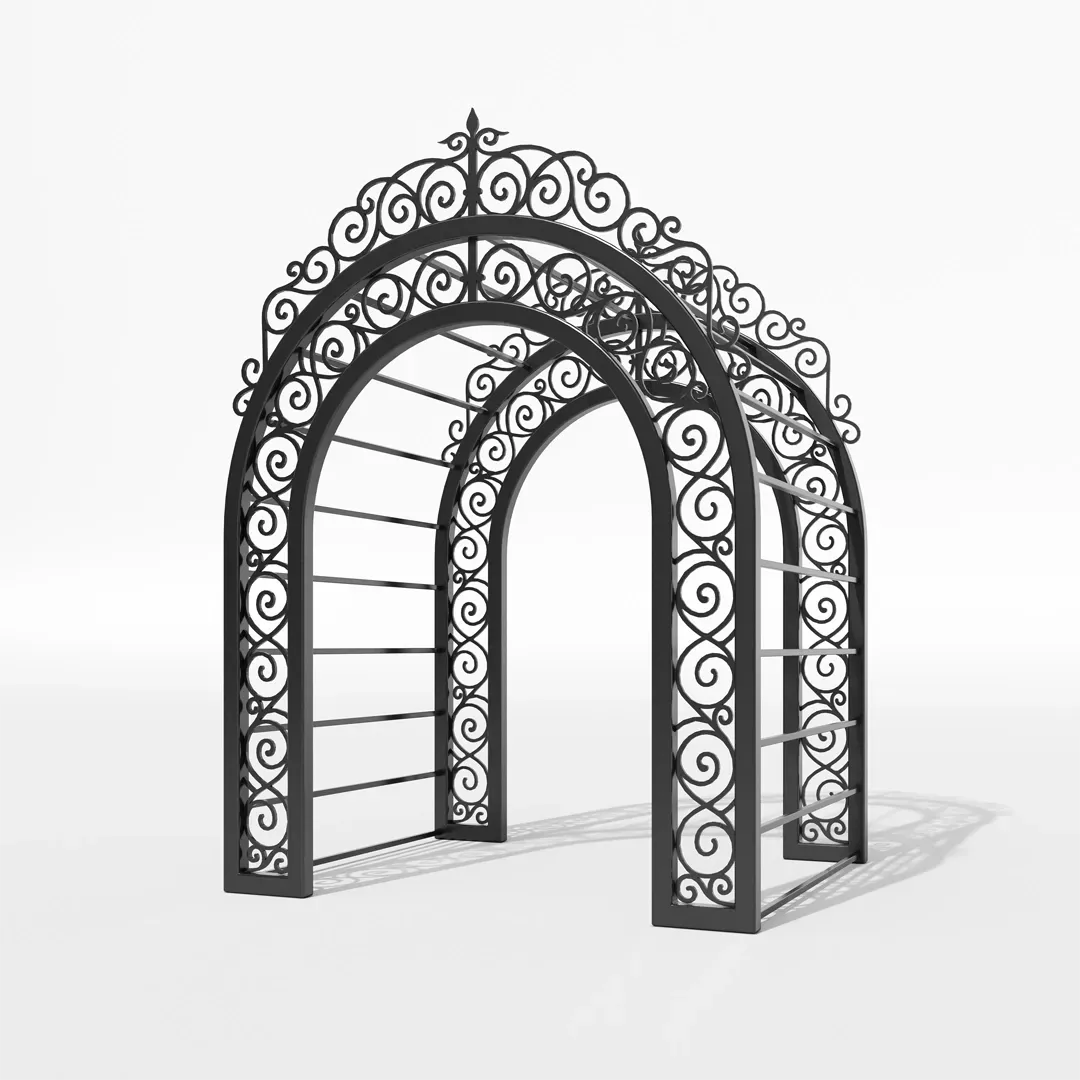
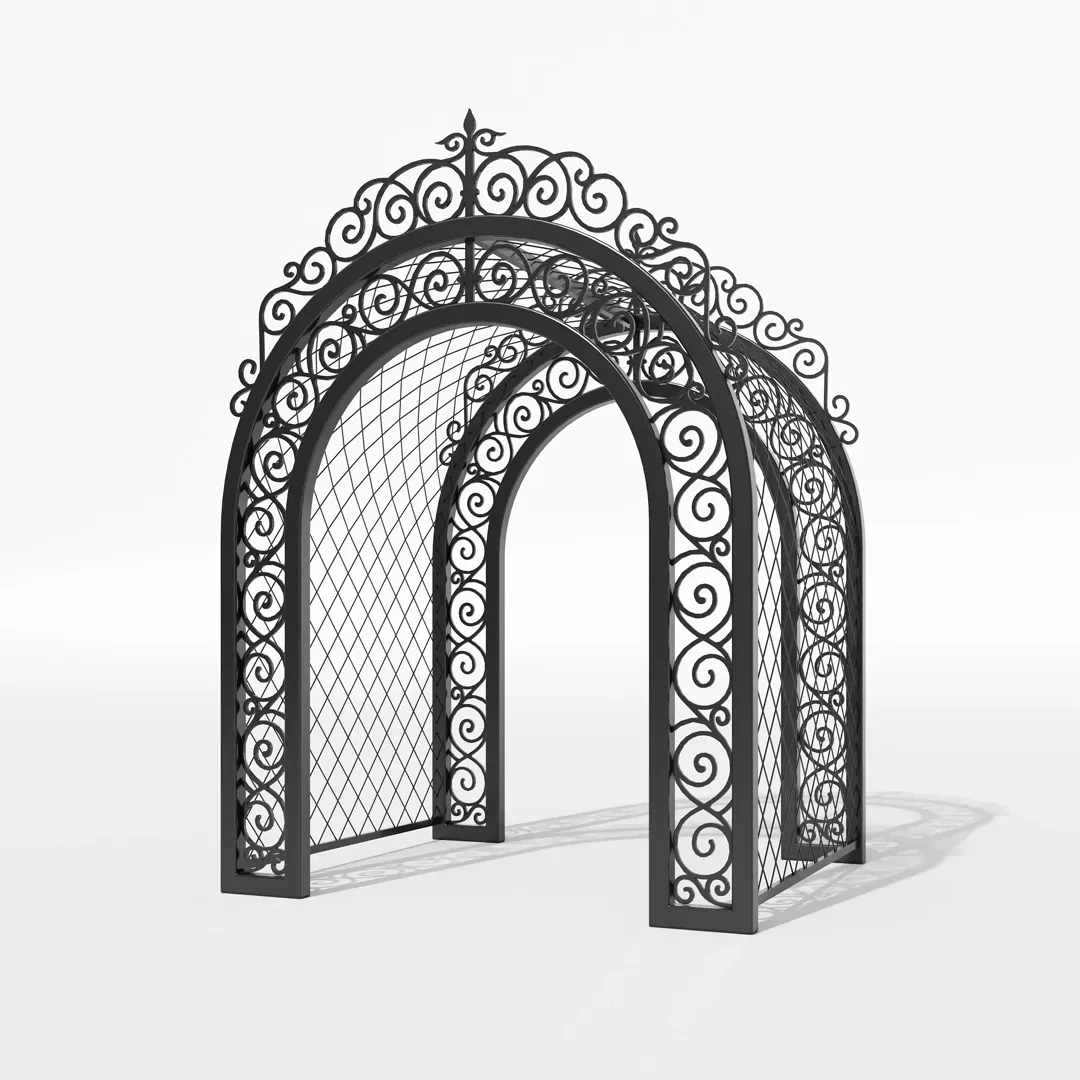
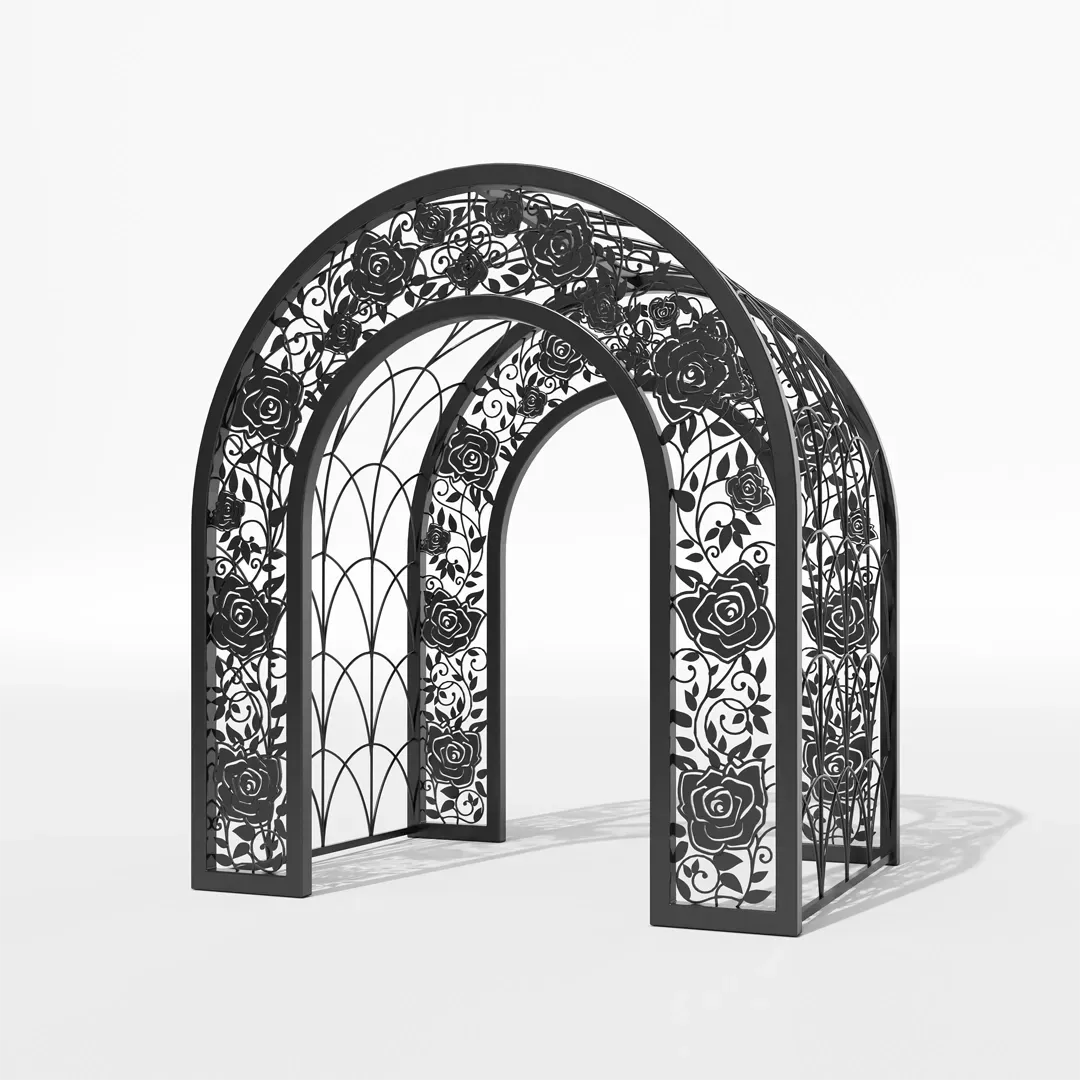
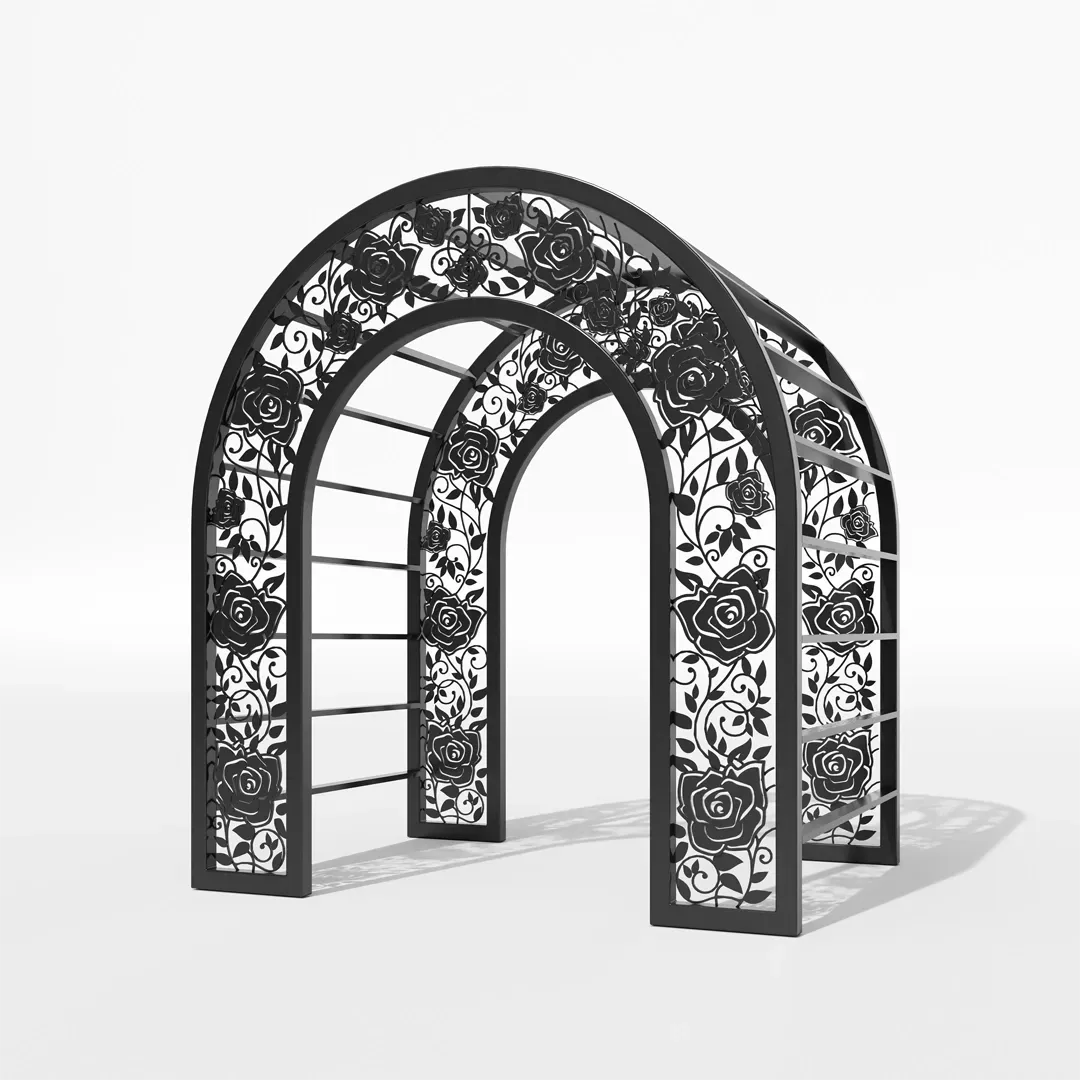
The Rose Garden Arch
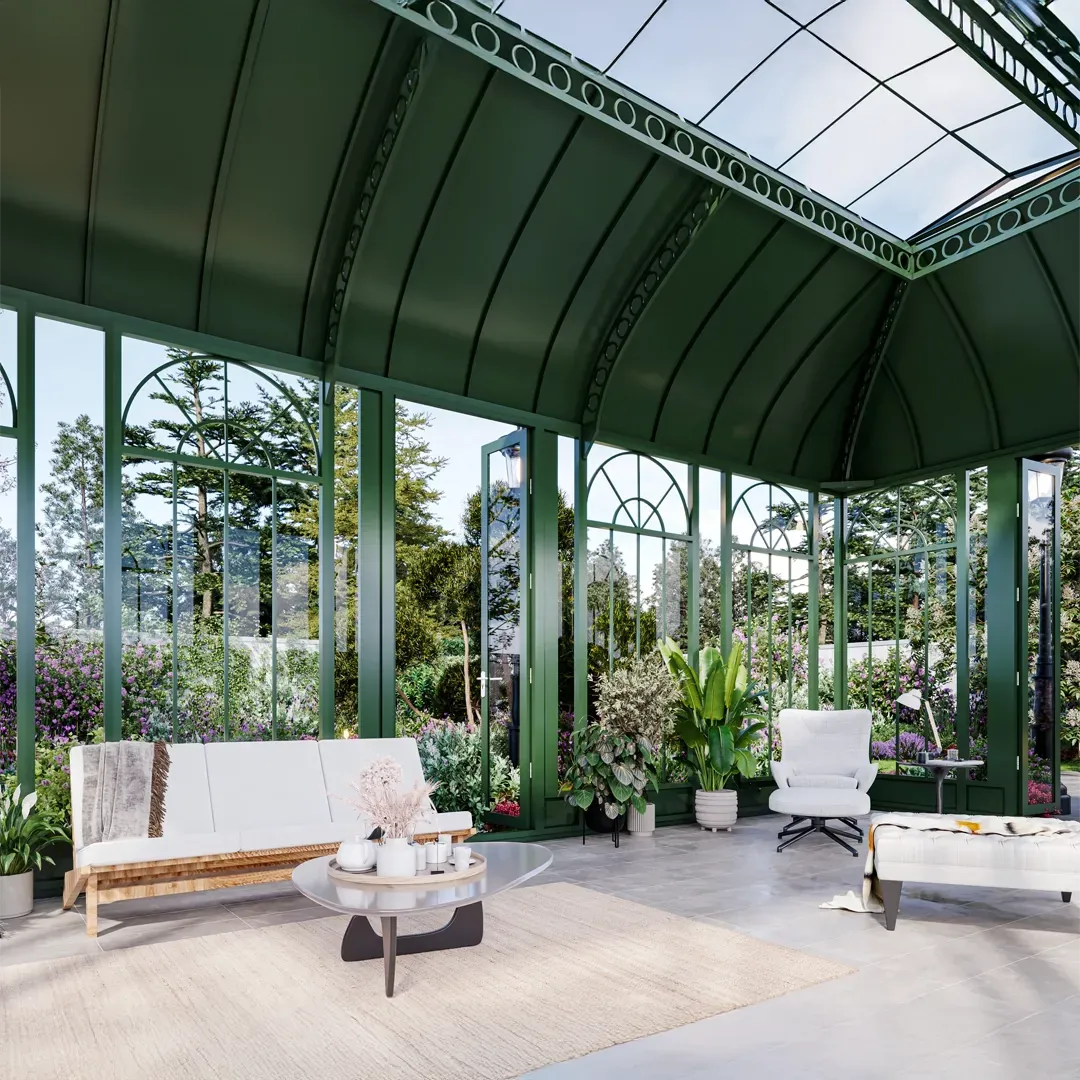
The Belfast Modern
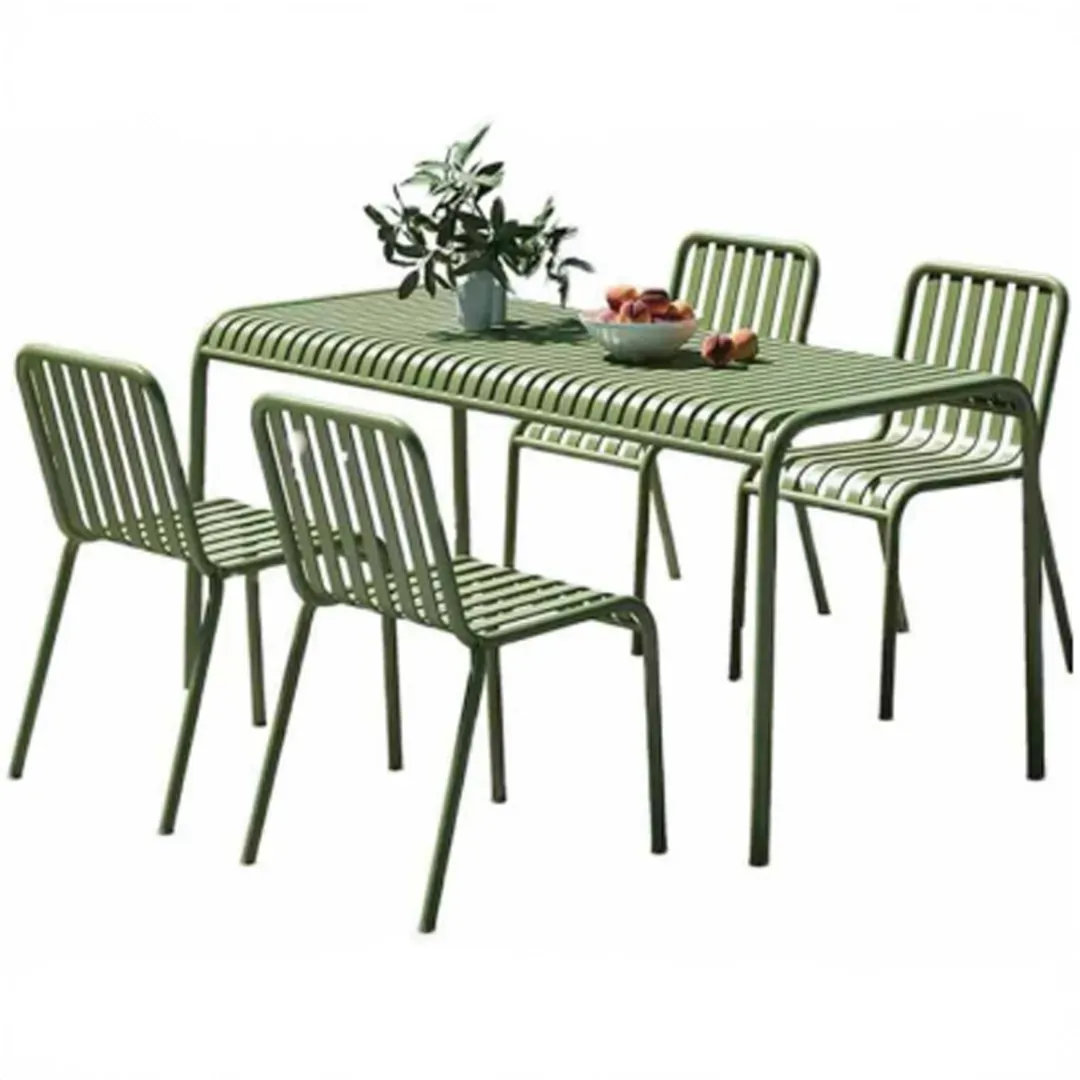
The Greenhouse Dining Patio Set
The Veranda Arch
The Floral Gazebo
Expert Advice
Creating Multi-Purpose Glass Venues: Event And Business Use Designs
The highest-performing commercial glass venues are not designed for a single event type—they are designed for the full breadth of events that a premium booking calendar demands: corporate conferences, gala dinners, wedding receptions, product launches, and private dining experiences that rotate through the same square footage at maximum revenue efficiency. Alpine Designs multi-purpose steel-and-glass structures are engineered for that range of use from the first structural bay calculation forward.
How can architectural-grade steel-and-glass conservatories maximize asset valuation and revenue for the CFO?
Architectural-grade steel-and-glass conservatories maximize CFO asset valuation by eliminating temporary structure liabilities and securing premium rentable experiential square footage that generates revenue 52 weeks per year rather than 28. Alpine Designs transforms seasonal expenses into permanent portfolio assets with a strategic budgeting baseline for comprehensive design and fabrication ranging directionally from $130 to $200 per square foot—a capital deployment that your finance team can underwrite against documented revenue projections.
Your property’s valuation is determined by its income-generating capacity. A conservatory that enables 150 additional events per year at an average rate of $7,500, before food and beverage, before bar service, before vendor commissions, generates $1,125,000 in incremental annual revenue on a capital investment of $780,000–$1,200,000 for a 6,000 SF structure. That return profile is the financial narrative your CFO needs to approve the project.
This builds on our comprehensive overview of the ultimate guide to commercial conservatories: styles, features and profitability.
The Transparency Paradox confronts CFOs who invest in glass venue infrastructure without understanding the performance gap between a catalog conservatory and an engineered commercial glass structure. Alpine Designs steel-and-glass structures close that gap with sealed engineering documentation, commercial-grade structural specifications, and a multi-purpose design framework that maximizes the revenue per square foot your property captures.
How do multi-purpose glass venues transform temporary seasonal costs into permanent asset value?
Multi-purpose glass venues transform temporary seasonal costs into permanent asset value by eliminating third-party rental leaks like tents and generators to capture direct profit margins that were previously exiting the organization through vendor contracts. Alpine Designs structures guarantee year-round premium pricing through weather-resilient engineering capable of withstanding strict 115–140 mph wind speeds, extending commercial utilization rates permanently across the full event-type range from intimate corporate dinners to 500-person gala receptions.
Multi-purpose design is a revenue amplifier because it expands the booking segments your venue can address. A single-format ballroom competes in one market segment; a multi-purpose Alpine Designs steel-and-glass structure competes in corporate, social, hospitality, and private dining segments simultaneously—using the same square footage to capture revenue that would otherwise be distributed across multiple competing venues in your market.
For a deeper look at reviving legacy, review our detailed guide.
The architectural flexibility of a multi-purpose Alpine Designs structure is built into the structural system: clear spans that allow any floor configuration, operable partitions that subdivide the space for concurrent events, and back-of-house infrastructure that supports simultaneous catering operations for multiple event formats without operational conflict. Your booking team inherits a venue that says “yes” to a broader range of client requests than any single-format building can accommodate.
What are the financial planning benchmarks for custom commercial footprints ranging from private dining pavilions to expansive event halls?
The strategic budgeting baseline for custom commercial footprints ranges directionally from $130 to $200 per square foot for comprehensive design and fabrication. Alpine Designs rejects rigid kits, delivering scalable permanent business assets spanning intimate 8’x10’ private dining pavilions up to expansive, high-capacity 100’x100’+ event halls—with every footprint custom-engineered for your specific site, program, and local code requirements.
Financial planning for a multi-purpose venue requires a program analysis that maps each event type’s revenue contribution and space requirements, then optimizes the structural footprint to serve the highest-revenue formats without permanently underserving the secondary formats. Alpine Designs project designers conduct this analysis as part of the pre-design programming phase, delivering a dimensioned area program that maps directly to a structural module recommendation before any engineering fees are committed.
At the $130–$200/SF planning baseline, every 1,000 SF of additional footprint represents $130,000–$200,000 in capital cost and possibly $75,000–$200,000 in additional annual revenue capacity depending on your event mix and booking rates. Right-sizing the footprint, not undersizing to reduce capital cost and not oversizing to reduce maintenance efficiency, is the highest-leverage financial decision in the entire project, and Alpine Designs program analysis is designed to make it with precision.
What site-specific engineering standards ensure low-maintenance operations for the facility manager?
Sealed and stamped International Building Code engineering drawings ensure low-maintenance operations and liability reduction for facility managers who require documented structural performance rather than vendor assurances. Alpine Designs delivers permit-ready structural sets engineered for site-specific conditions, explicitly accommodating rigorous benchmarks like 30–40 psf snow loads while maintaining extreme corrosion resistance through advanced hot-dip galvanized structural steel, meeting ASTM A123/A153, combined with powder-coated finishes that extend refinishing intervals to decade-scale cycles.
Learn how leading operators approach foundation engineering as a financial.
Low-maintenance operations are an engineering specification, not an operational aspiration. They are produced by material choices, galvanized steel instead of aluminum, dual-seal insulated glazing instead of single-seal, stainless fasteners instead of zinc-plated, that are made at the design stage and are largely irreversible after construction. Alpine Designs makes those choices conservatively, recognizing that your facility team inherits the consequences of every specification decision for the life of the building.
Sealed engineering drawings in an Alpine Designs project package include structural framing plans, foundation design, connection details, load calculations, and a maintenance manual written by the engineers who designed the building. That documentation gives your facility team the information they need to inspect, maintain, and modify the structure correctly for its entire service life—without requiring them to reverse-engineer the original design intent from a visual inspection.
How does a Hot-Dip galvanized structural steel frame guarantee operational longevity for facility management?
A heavy-duty hot-dip galvanized structural steel frame guarantees operational longevity by replacing lightweight, thin-walled aluminum alternatives prone to generic failure modes that accumulate over time in commercial event environments. Alpine Designs protects this primary load-bearing backbone, meeting ASTM A123 for structural members and ASTM A153 for all hardware, with a rigorous powder-coated finish, easily supporting heavy site-specific engineering benchmarks like 30–40 psf snow loads without structural degradation across a 40-plus-year commercial service life.
The operational longevity case for galvanized structural steel over aluminum is not primarily about initial strength—modern aluminum alloys can meet commercial structural requirements at commissioning. It is about long term performance in the thermal cycling, moisture, and dynamic load environment of a commercial event venue. Aluminum expands and contracts at twice the rate of steel under thermal cycling, driving fatigue at connections and fixings over time. Galvanized steel’s dimensional stability under thermal cycling is a structural longevity advantage that compounds over decades.
For multi-purpose venues where the structural frame is subjected to a wider range of occupant loads, furniture configurations, and AV/rigging point loads than a single-format venue, structural margin is an asset. Alpine Designs engineers structural steel frames with load factors that accommodate the full range of commercial event uses, including rigging points rated for 2,000-pound drop-loads, so your facility team does not need to evaluate structural capacity every time an event planner specifies an unconventional hanging feature.
Why must multi-purpose venue structures rely on strict site-specific wind and snow load engineering instead of universal standards?
Multi-purpose venue structures must rely on strict site-specific engineering to prevent the catastrophic failure modes associated with watered-down, universal standards that paper over the performance gap between what the manufacturer claims and what your specific site demands. Alpine Designs explicitly rejects blanket claims, requiring sealed drawings customized to local municipal codes to withstand extreme regional benchmarks like 115–140 mph wind speeds—and providing the documented engineering basis that your municipality, insurer, and lender require.
Universal structural standards are a commercial convenience for manufacturers, not a safety strategy for property owners. When a conservatory vendor claims that their structure “meets all applicable codes,” that claim is only meaningful if it is supported by a calculation that demonstrates compliance with the specific codes that apply to your parcel, in your jurisdiction, under your local climate loading. Alpine Designs provides that calculation as a standard project deliverable.
The failure modes associated with under-engineered glass structures in demanding climates are not hypothetical. Wind uplift failures, snow accumulation collapses, and connection fatigue failures in commercial glass buildings are documented events whose common factor is structural engineering that was not calibrated to the site’s actual design loads. Alpine Designs steel-and-glass structures eliminate that risk through documented site-specific engineering that leaves no gap between the standard applied and the standard required.
How do custom conservatory layouts guarantee a flawless guest experience for the event planner?
Custom conservatory layouts guarantee a flawless guest experience by integrating dedicated utility capacities and discreet service access into the foundational architectural geometry—not as retrofitted accommodations but as designed-in structural elements that are as permanent and intentional as the structural frame itself. Alpine Designs protects aesthetic and operational flow across massive 100’x100’+ event halls by utilizing sweeping clear spans that eliminate chaotic makeshift satellite kitchens and create a guest environment where the only visible activity is the event.
Explore how flexible event programming: designing glass conservatories for multi-use revenue can enhance your venue's performance.
Explore how specification-level features that separate premium can enhance your venue's performance.
Event planners choose repeat venues based on one criterion above all others: did the venue make their job easier or harder? A venue where service logistics flow invisibly, where acoustic performance requires no PA compensation, where the temperature is consistent across every seat in the room, and where the structural layout accommodates their preferred configuration without negotiation—that is the venue that generates a five-year booking relationship rather than a one-time trial.
Alpine Designs multi-purpose steel-and-glass structures are designed to earn that relationship through structural specification: every custom layout feature, clear span, service corridor, acoustic glazing, thermal envelope, is a commitment to the operational performance that makes event planners into advocates.
How do sweeping clear spans and pre-planned back-of-house service routes facilitate impeccable guest flow?
Sweeping clear spans and pre-planned back-of-house service routes facilitate impeccable guest flow by physically separating catering logistics from main experiential areas through structural design rather than operational convention. Alpine Designs integrates one-way catering flows and dedicated utility capacities directly into expansive 100’x100’+ commercial footprints to prevent chaotic service and thermal degradation of food—the operational failures that appear in reviews as “cold food” and “staff constantly walking through the room” regardless of the visual excellence of the space.
The one-way catering flow principle means that food enters the event space from one direction and empty plates exit from another, eliminating the cross-traffic collision points that generate service disruption and guest sightline interference. Alpine Designs steel-and-glass structures embed this principle in the structural plan: service entry at one bay end, service exit at another, with a continuous perimeter corridor that connects the two without requiring staff to enter the guest floor.
Dedicated utility capacities, permanent power outlets at catering staging locations, water supply at bar positions, drain provisions at beverage stations, are designed into the structural floor slab and perimeter frame rather than provided through temporary surface runs. Your event setup time decreases because the infrastructure is already in place. Your guests never see extension cords, water hoses, or temporary power panels.
How does high-strength tempered glass support photography-grade aesthetics and visual clarity for commercial events?
High-strength tempered glass supports photography-grade aesthetics by delivering unparalleled visual clarity without compromising the commercial durability required in multi-purpose venues where the same glass envelope serves a corporate board meeting on Tuesday and a 400-person gala on Saturday. The Alpine Designs glazing tier system scales from a high-strength single-pane baseline up to double-pane insulated packages with Low-E coatings and argon fill, ensuring premium visual environments for intimate 8’x10’ private dining pavilions and large event halls alike.
Tempered glass is specified for commercial event venues because its failure mode, safe fragmentation into small, dull-edged pieces, is categorically different from annealed glass’s failure mode of large, sharp shards. In a multi-purpose venue where the same glass panels are subjected to impact loads from event furniture, equipment movement, and the dynamic loads of large crowds, the tempered specification is a safety and liability requirement, not merely a clarity upgrade.
Optical clarity in Alpine Designs tempered glass panels is specified at low-iron glass quality, the same glass chemistry used in museum display cases, combined with neutral low-E coatings that preserve color rendering index above 90. The result is a glass envelope that transmits natural light with complete fidelity to the outdoor spectrum, rendering your floral arrangements, table settings, and guest attire in event photographs exactly as the human eye perceives them.
How do Alpine Designs answer capsules solve the most common failure modes in generic glass structures?
Alpine Designs answer capsules solve common generic glass structure failure modes through engineered mitigation strategies addressing acoustic echo, thermal runaway, and service logistics—the three failure modes that appear most consistently in negative reviews of glass event venues and that are most consistently absent from reviews of Alpine Designs steel-and-glass structures. Project-specific commercial integrations replace watered-down universal standards, actively targeting high impact noise environments exceeding 70dB while blocking radiant heat before it breaches the building envelope.
Generic glass structures fail predictably because their specifications are optimized for manufacturing cost, not for operational performance. The failure cascade is consistent: undersized glazing allows solar heat gain that overwhelms the HVAC system; the resulting temperature discomfort forces guests into the acoustically worst positions in the room; parallel glass planes produce Echo Chamber reverberation that destroys speech intelligibility; and the event staff’s visible compensatory efforts, additional portable fans, PA volume increases, service workarounds, signal to guests that the venue is struggling.
Alpine Designs steel-and-glass structures prevent that cascade by addressing each failure mode at the specification level before construction begins. The venue you open is already performing—not struggling to perform despite its own design.
How does Alpine Designs combat the ‘oven effect’ and mean radiant temperature spikes in multi-purpose glass venues?
Alpine Designs combats the oven effect and Mean Radiant Temperature spikes by deploying optional Low-E coatings to selectively reflect infrared heat away from the perimeter while preserving the full visible-spectrum light transmission that defines the glass venue aesthetic. Across expansive 100’x100’+ commercial footprints, this intelligent glazing pairs with automated operable skylights to naturally exhaust hot air and dramatically reduce mechanical cooling loads—preventing the Greenhouse Oven Effect that turns a summer gala into a humidity emergency.
Mean Radiant Temperature (MRT) is the thermal variable that determines whether your guests feel comfortable, regardless of what the HVAC thermostat reads. When a south-facing glass wall in afternoon sun reaches interior surface temperatures of 120–140°F, guests seated within 6–10 feet of that surface absorb radiant energy at a rate that elevates their perceived temperature well above the 72°F air temperature the thermostat is controlling. Alpine Designs Low-E glazing maintains interior glass surface temperatures within 8–12°F of interior air temperature across all seasons—keeping MRT within the ASHRAE 55 comfort zone at every seat in the room.
The automated operable skylight system in Alpine Designs multi-purpose structures uses temperature and CO₂ sensors integrated with the building automation system to manage ridge vent aperture dynamically: fully open during passive-cooling conditions, partially open during mechanical-assist conditions, and closed during heating season to retain conditioned air. This active passive system reduces peak mechanical cooling load by 25–40 percent—a capital cost reduction and an energy operating cost reduction that partially offsets the Low-E glazing specification premium.
How does laminated acoustic glass protect speech intelligibility and prevent the Lombard effect during high-capacity events?
Laminated acoustic glass protects speech intelligibility and prevents the Lombard effect by utilizing a dampening PVB core to heavily manage interior acoustic reflections that would otherwise drive reverberation times into the 3–5 second range that makes large glass rooms acoustically uninhabitable at full occupancy. Alpine Designs pairs this advanced acoustic glazing with non-parallel architectural geometry to effectively diffuse sound energy and mitigate severe impact noise exceeding 70dB during events where your guests’ ability to hear each other is as important as the visual environment surrounding them.
The Lombard effect in a multi-purpose glass venue is a direct threat to repeat booking rates. It begins when reverberation in an under-specified glass room forces guests to raise their voices to be heard, which increases ambient noise levels, which forces all guests to raise their voices further. Within 20–30 minutes of a full-capacity event, the room is at 85–90 dB ambient, toasts are inaudible beyond the speaker’s immediate neighbors, and the event that was supposed to show your venue has instead demonstrated its most significant operational failure.
Alpine Designs PVB laminated acoustic glass and non-parallel structural geometry combine to achieve RT60 reverberation times of 1.0–1.2 seconds at full occupancy—a specification that maintains speech intelligibility at conversational levels, keeps ambient noise below 75 dB, and ensures that the most important moments of every event your venue hosts are heard clearly by everyone in the room. Contact Alpine Designs to schedule a multi-purpose venue consultation and receive a site-specific acoustic and thermal performance analysis for your project.
See also
Designing Multi-Use Event Conservatories For Modern Businesses
Cold Climate Conservatories: Commercial Solutions For Year-Round Event Use
The Material Difference
Precision in Strength, Perfection in Detail
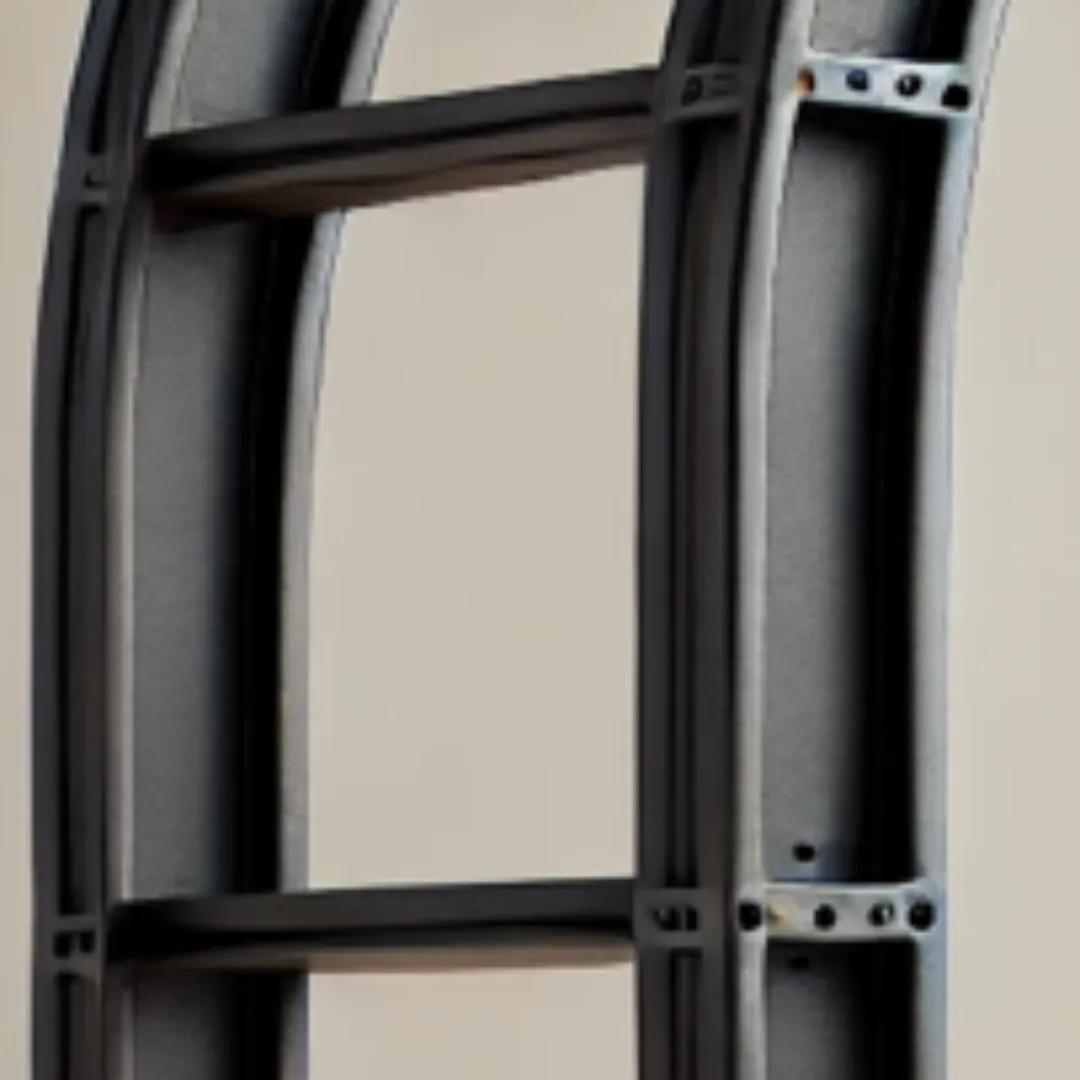
Our Structural Steel:
Engineered to exceed stringent industry standards, our structural steel is built for construction and engineering projects where strength, stability, and load-bearing capacity are paramount. Designed to withstand significant stress without bending or breaking, it ensures lasting durability and reliability.
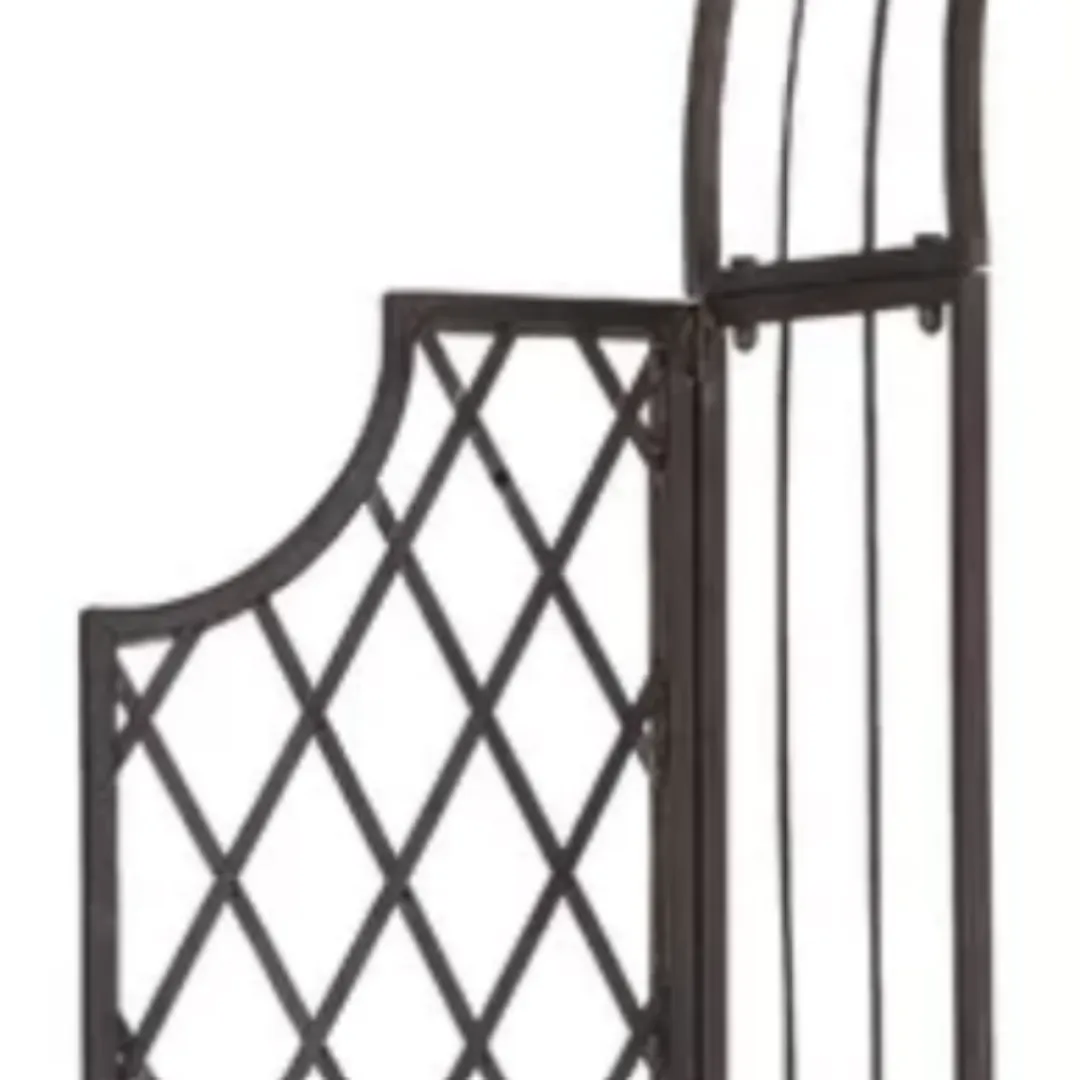
Other Brands:
Many competitors use thin, low-grade steel or lightweight metals like aluminum, which lack the resilience and strength needed to support heavy loads or endure harsh weather conditions.
Real Clients, Real Customization
The Kensington Heritage Greenhouse
Ethan's Kensington Heritage Greenhouse
from
Boston, Massachusetts
Common Questions
What Makes Our Greenhouses Unique?
At Steel Gardens, our greenhouses are crafted with premium materials, including reinforced glass, and feature exquisite designs with unparalleled customization options. Built for unmatched durability, aesthetics, and functionality, they are perfect for avid gardeners and so much more. Whether you use your greenhouse for gardening, as an elegant entertaining space, a creative studio, or a tranquil retreat, each design combines beauty and versatility to enhance your lifestyle and property.
What maintenance is required for an Steel Gardens greenhouse and how do I ensure optimal performance?
Alpine Greenhouses are incredibly low maintenance. Our programmable exhaust fans allow you to specify temperature and humidity settings, allowing for automated control of your environment. With the benefit of a steel roof, cleaning as needed of your glass glazing is all that is regularly needed to enjoy this stunning addition to your property.
Can I customize the design and size of my greenhouse?
Yes, our greenhouses are fully customizable to suit your unique vision and requirements. Our design team works closely with you to assess your personal intentions for use, whether it’s gardening, entertaining, or creating a relaxing retreat. We also take into account your color preferences, size needs, and property specifications to ensure the greenhouse integrates seamlessly with your outdoor space. With a wide range of sizes, styles, materials, and finishes available, we help you create a bespoke greenhouse that not only complements your property but also fulfills your lifestyle goals.
What are the standard installation costs for a custom greenhouse?
The installation and site preparation costs for a custom greenhouse typically align with the model's material costs. These expenses reflect the skilled labor and precision required to properly assemble the structure, integrate custom features, and meet local code requirements. Site preparation—such as leveling, foundation work, and drainage—can also influence the overall cost based on the property’s specific needs and design requirements.
What factors should I consider when planning and designing a custom greenhouse?
Design with confidence - Get Our Greenhouse Guide
Designing a custom greenhouse is an exciting opportunity to create a functional and beautiful space tailored to your needs. Here are some important considerations to keep in mind:
What is your primary goal?
Will your greenhouse be used for gardening, entertaining, relaxation, or as a multi-purpose space? Understanding your intentions will guide key design decisions, such as size, layout, and features.
Where will the greenhouse be placed?
Choose a location that maximizes sunlight exposure, typically a south-facing position. Consider factors like wind exposure, drainage, and accessibility.
How does it fit into your landscape?
Ensure the greenhouse complements the style and layout of your property for seamless integration.
What size works best for your needs?
The greenhouse should be large enough for its intended purpose but proportionate to your property. Consider future uses to avoid outgrowing the space.
What aesthetic appeals to you?
Choose a design style that complements your home and personal taste, whether it’s modern, Victorian, Colonial, or something else.
Customization options:
Explore options like decorative ironwork, custom colors, roof profiles, or unique window designs to make your greenhouse one-of-a-kind.
What type of glazing is ideal?
Options include single-pane tempered glass for aesthetics or double-pane glass with Low-E coatings for improved insulation and energy efficiency.
Thermal performance:
Consider insulated foundations or climate battery systems for year-round temperature regulation.
How will you maintain optimal growing conditions?
Incorporate features like heating, cooling, ventilation, and humidity control to create the ideal environment for plants and people.
What foundation will support your greenhouse?
Options range from simple ground screws to advanced insulated foundations, depending on thermal needs and site conditions. Ensure proper drainage to prevent water issues.
What materials best suit your needs?
High-quality materials like aluminum, steel, and reinforced glass ensure longevity and low maintenance.
Do you need electricity?
Plan for lighting, fans, and other electrical components to enhance usability, especially for evening use or winter gardening.
How Do Our Greenhouses Manage Climate Control?
We believe greenhouses should be optimized for many uses, not simply high production gardening. In comparison to glass or polycarbonate roofed greenhouses which can be far too hot to enjoy, our models significantly reduce heat gain while still providing an ample amount of sunlight for your gardening interests. Maintaining consistent temperature controls is a priority for those interested in creating an environment comfortable for any number of activities.
How can my greenhouse provide a valuable return on investment?
We believe greenhouses should be optimized for many uses, not simply high production gardening. In comparison to glass or polycarbonate roofed greenhouses which can be far too hot to enjoy, our models significantly reduce heat gain while still providing an ample amount of sunlight for your gardening interests. Maintaining consistent temperature controls is a priority for those interested in creating an environment comfortable for any number of activities.
How does Steel Gardens assist with permits?
We believe greenhouses should be optimized for many uses, not simply high production gardening. In comparison to glass or polycarbonate roofed greenhouses which can be far too hot to enjoy, our models significantly reduce heat gain while still providing an ample amount of sunlight for your gardening interests. Maintaining consistent temperature controls is a priority for those interested in creating an environment comfortable for any number of activities.
What is the Lowest Maintenance Roof Option?
We believe greenhouses should be optimized for many uses, not simply high production gardening. In comparison to glass or polycarbonate roofed greenhouses which can be far too hot to enjoy, our models significantly reduce heat gain while still providing an ample amount of sunlight for your gardening interests. Maintaining consistent temperature controls is a priority for those interested in creating an environment comfortable for any number of activities.
What type of Foundations do we recommend?
We believe greenhouses should be optimized for many uses, not simply high production gardening. In comparison to glass or polycarbonate roofed greenhouses which can be far too hot to enjoy, our models significantly reduce heat gain while still providing an ample amount of sunlight for your gardening interests. Maintaining consistent temperature controls is a priority for those interested in creating an environment comfortable for any number of activities.
Common Questions
What Makes Our Greenhouses Unique?
At Steel Gardens, our greenhouses are crafted with premium materials, including reinforced glass, and feature exquisite designs with unparalleled customization options. Built for unmatched durability, aesthetics, and functionality, they are perfect for avid gardeners and so much more. Whether you use your greenhouse for gardening, as an elegant entertaining space, a creative studio, or a tranquil retreat, each design combines beauty and versatility to enhance your lifestyle and property.
What maintenance is required for an Steel Gardens greenhouse and how do I ensure optimal performance?
Alpine Greenhouses are incredibly low maintenance. Our programmable exhaust fans allow you to specify temperature and humidity settings, allowing for automated control of your environment. With the benefit of a steel roof, cleaning as needed of your glass glazing is all that is regularly needed to enjoy this stunning addition to your property.
Can I customize the design and size of my greenhouse?
Yes, our greenhouses are fully customizable to suit your unique vision and requirements. Our design team works closely with you to assess your personal intentions for use, whether it’s gardening, entertaining, or creating a relaxing retreat. We also take into account your color preferences, size needs, and property specifications to ensure the greenhouse integrates seamlessly with your outdoor space. With a wide range of sizes, styles, materials, and finishes available, we help you create a bespoke greenhouse that not only complements your property but also fulfills your lifestyle goals.
What are the standard installation costs for a custom greenhouse?
The installation and site preparation costs for a custom greenhouse typically align with the model's material costs. These expenses reflect the skilled labor and precision required to properly assemble the structure, integrate custom features, and meet local code requirements. Site preparation—such as leveling, foundation work, and drainage—can also influence the overall cost based on the property’s specific needs and design requirements.
What factors should I consider when planning and designing a custom greenhouse?
Design with confidence - Get Our Greenhouse Planning Guide
Designing a custom greenhouse is an exciting opportunity to create a functional and beautiful space tailored to your needs. Here are some important considerations to keep in mind:
What is your primary goal?
Will your greenhouse be used for gardening, entertaining, relaxation, or as a multi-purpose space? Understanding your intentions will guide key design decisions, such as size, layout, and features.
Where will the greenhouse be placed?
Choose a location that maximizes sunlight exposure, typically a south-facing position. Consider factors like wind exposure, drainage, and accessibility.
How does it fit into your landscape?
Ensure the greenhouse complements the style and layout of your property for seamless integration.
What size works best for your needs?
The greenhouse should be large enough for its intended purpose but proportionate to your property. Consider future uses to avoid outgrowing the space.
What aesthetic appeals to you?
Choose a design style that complements your home and personal taste, whether it’s modern, Victorian, Colonial, or something else.
Customization options:
Explore options like decorative ironwork, custom colors, roof profiles, or unique window designs to make your greenhouse one-of-a-kind.
What type of glazing is ideal?
Options include single-pane tempered glass for aesthetics or double-pane glass with Low-E coatings for improved insulation and energy efficiency.
Thermal performance:
Consider insulated foundations or climate battery systems for year-round temperature regulation.
How will you maintain optimal growing conditions?
Incorporate features like heating, cooling, ventilation, and humidity control to create the ideal environment for plants and people.
What foundation will support your greenhouse?
Options range from simple ground screws to advanced insulated foundations, depending on thermal needs and site conditions. Ensure proper drainage to prevent water issues.
What materials best suit your needs?
High-quality materials like aluminum, steel, and reinforced glass ensure longevity and low maintenance.
Do you need electricity?
Plan for lighting, fans, and other electrical components to enhance usability, especially for evening use or winter gardening.
How Do Our Greenhouses Manage Climate Control?
We believe greenhouses should be optimized for many uses, not simply high production gardening. In comparison to glass or polycarbonate roofed greenhouses which can be far too hot to enjoy, our models significantly reduce heat gain while still providing an ample amount of sunlight for your gardening interests. Maintaining consistent temperature controls is a priority for those interested in creating an environment comfortable for any number of activities.
How can my greenhouse provide a valuable return on investment?
We believe greenhouses should be optimized for many uses, not simply high production gardening. In comparison to glass or polycarbonate roofed greenhouses which can be far too hot to enjoy, our models significantly reduce heat gain while still providing an ample amount of sunlight for your gardening interests. Maintaining consistent temperature controls is a priority for those interested in creating an environment comfortable for any number of activities.
How does Steel Gardens assist with permits?
We believe greenhouses should be optimized for many uses, not simply high production gardening. In comparison to glass or polycarbonate roofed greenhouses which can be far too hot to enjoy, our models significantly reduce heat gain while still providing an ample amount of sunlight for your gardening interests. Maintaining consistent temperature controls is a priority for those interested in creating an environment comfortable for any number of activities.
What is the Lowest Maintenance Roof Option?
We believe greenhouses should be optimized for many uses, not simply high production gardening. In comparison to glass or polycarbonate roofed greenhouses which can be far too hot to enjoy, our models significantly reduce heat gain while still providing an ample amount of sunlight for your gardening interests. Maintaining consistent temperature controls is a priority for those interested in creating an environment comfortable for any number of activities.
What type of Foundations do we recommend?
We believe greenhouses should be optimized for many uses, not simply high production gardening. In comparison to glass or polycarbonate roofed greenhouses which can be far too hot to enjoy, our models significantly reduce heat gain while still providing an ample amount of sunlight for your gardening interests. Maintaining consistent temperature controls is a priority for those interested in creating an environment comfortable for any number of activities.


Contact
Email Us
Schedule a Call with a Designer
Request a Personalized Quote
Stay Inspired. Stay Informed...
Be the first to experience our latest collections and design inspirations. Subscribe now and step into a world of refined living.
© COPYRIGHT 2025 • All Rights Reserved • Privacy Policy • Terms of Use
Digital Design and Management: Ally Digital
© COPYRIGHT 2025 • All Rights Reserved
Privacy Policy • Terms of Use
Digital Design and Management: Ally Digital