
Steel Gardens
Every Detail, Designed for You
At Steel Gardens, we believe your outdoor space should be as refined and beautiful as the home it complements.
We specialize in bespoke greenhouses, gazebos, garden arches, and luxury outdoor furniture collections—each piece a masterpiece of design and durability.
Materials and Craftsmanship
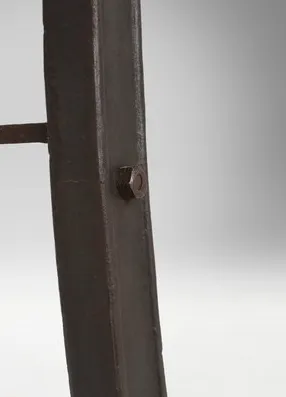
Sustainable Quality - That’s our philosophy.
At Steel Gardens, we believe in crafting pieces that aren’t just beautiful today—but
timeless for decades to come. Every structure we create is built from the highest-quality,
architectural-grade materials, chosen not only for their strength and performance, but for
their minimal environmental impact and unmatched longevity.
Our commitment to galvanized steel, tempered glass, and weather-resistant finishes
means our products can withstand the elements year after year, with little maintenance and
no compromise on elegance. It's a quiet rejection of disposable design—and a return to the
art of building things meant to be passed down.
When you invest in a Steel Garden structure, you’re investing in something more than a
space. You’re investing in a legacy.
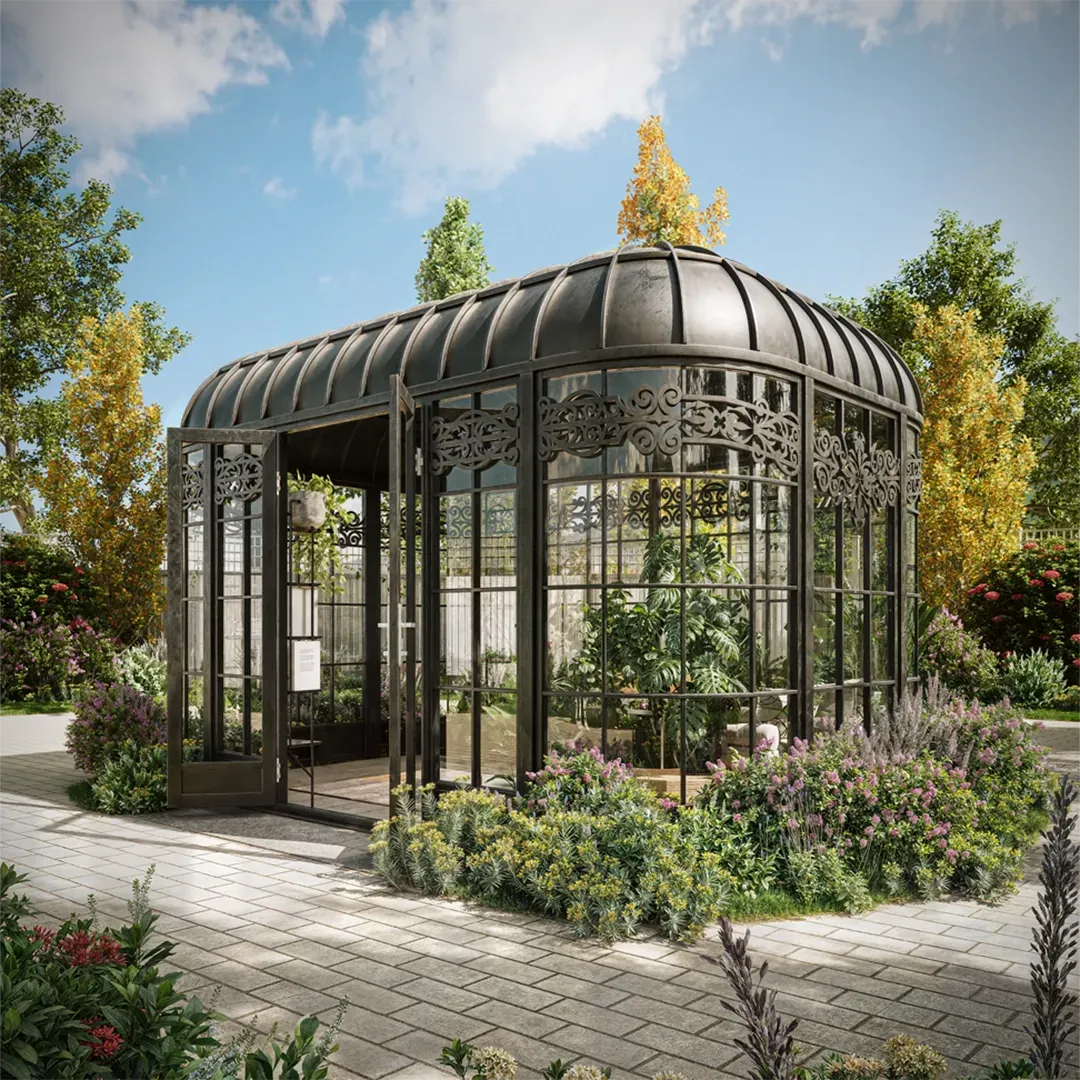
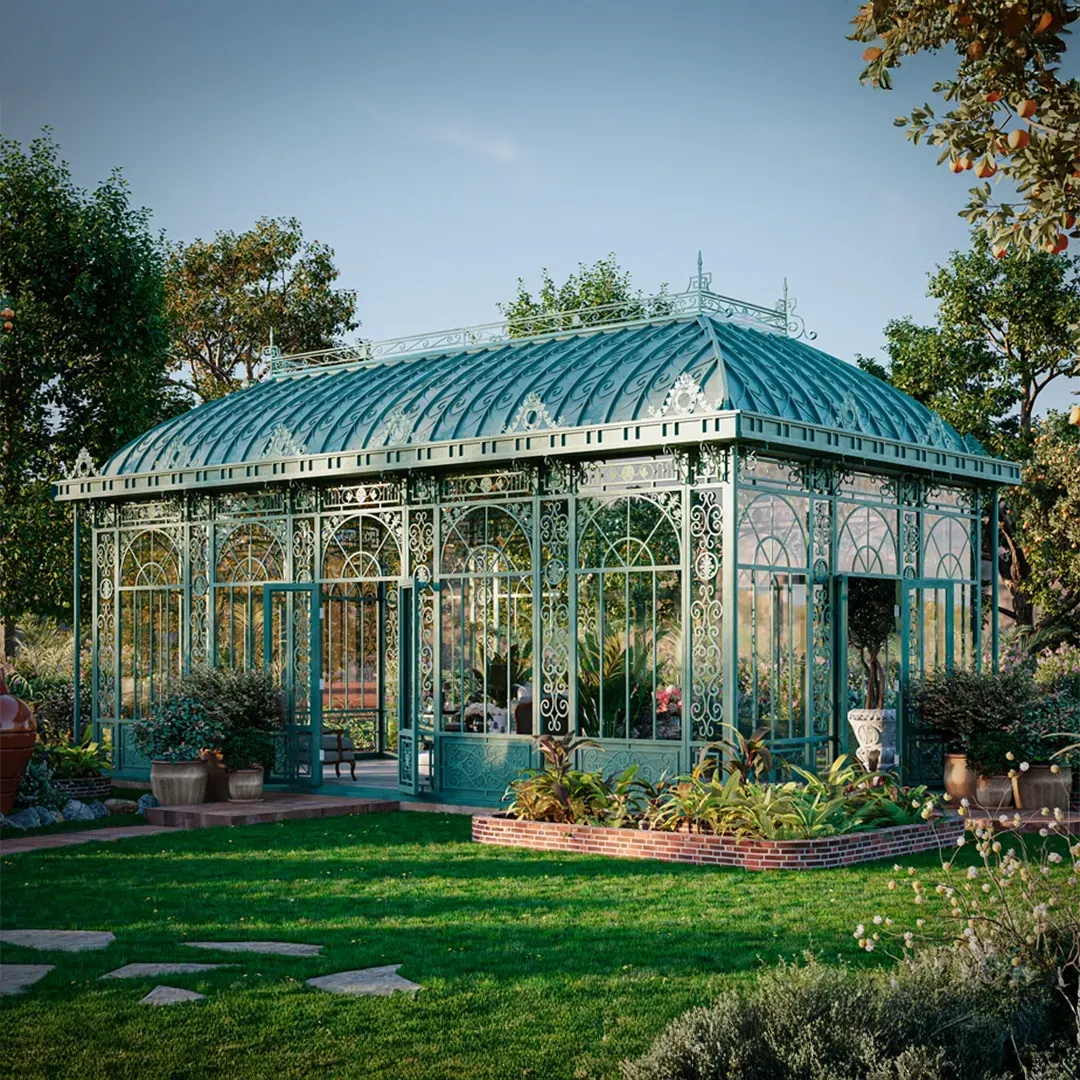
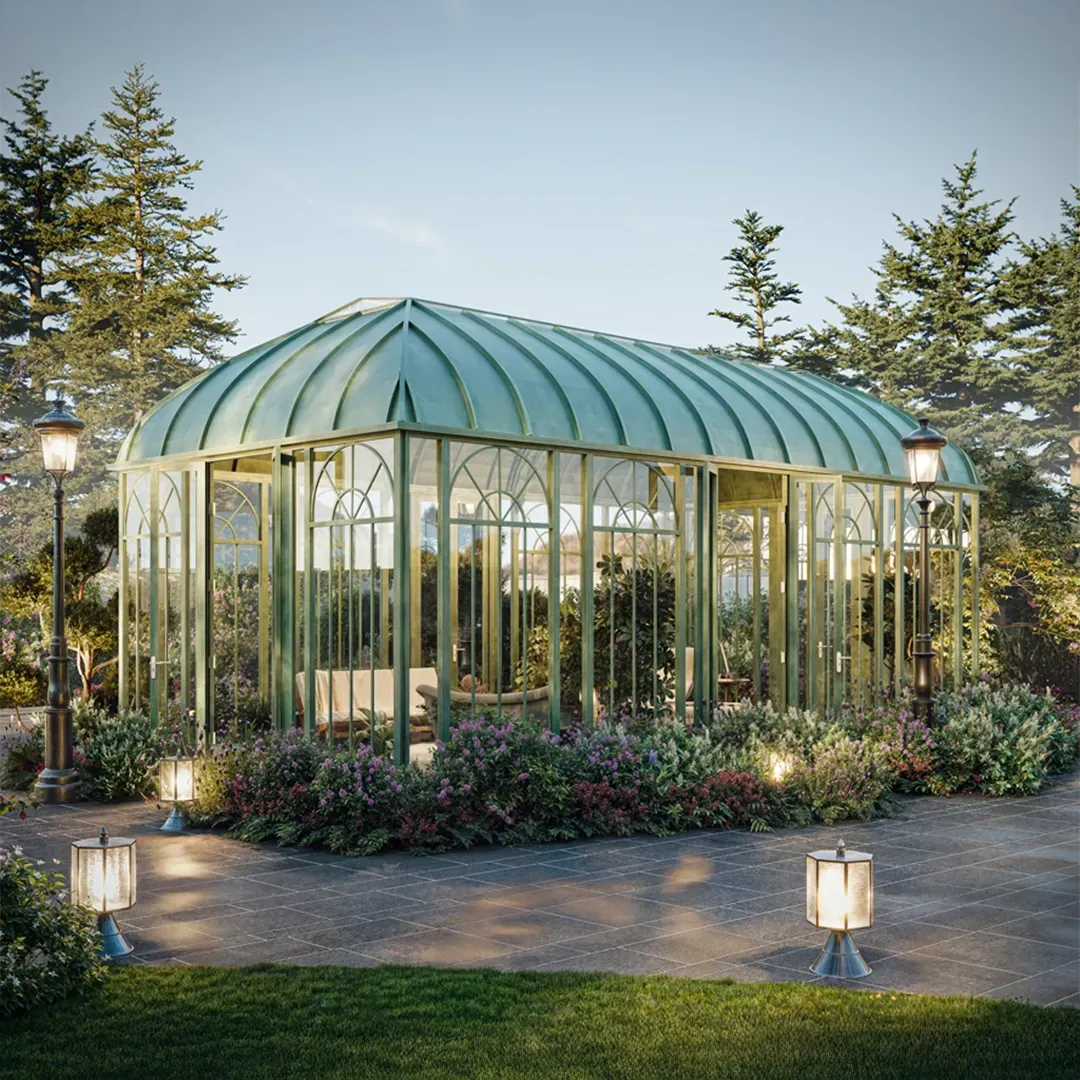
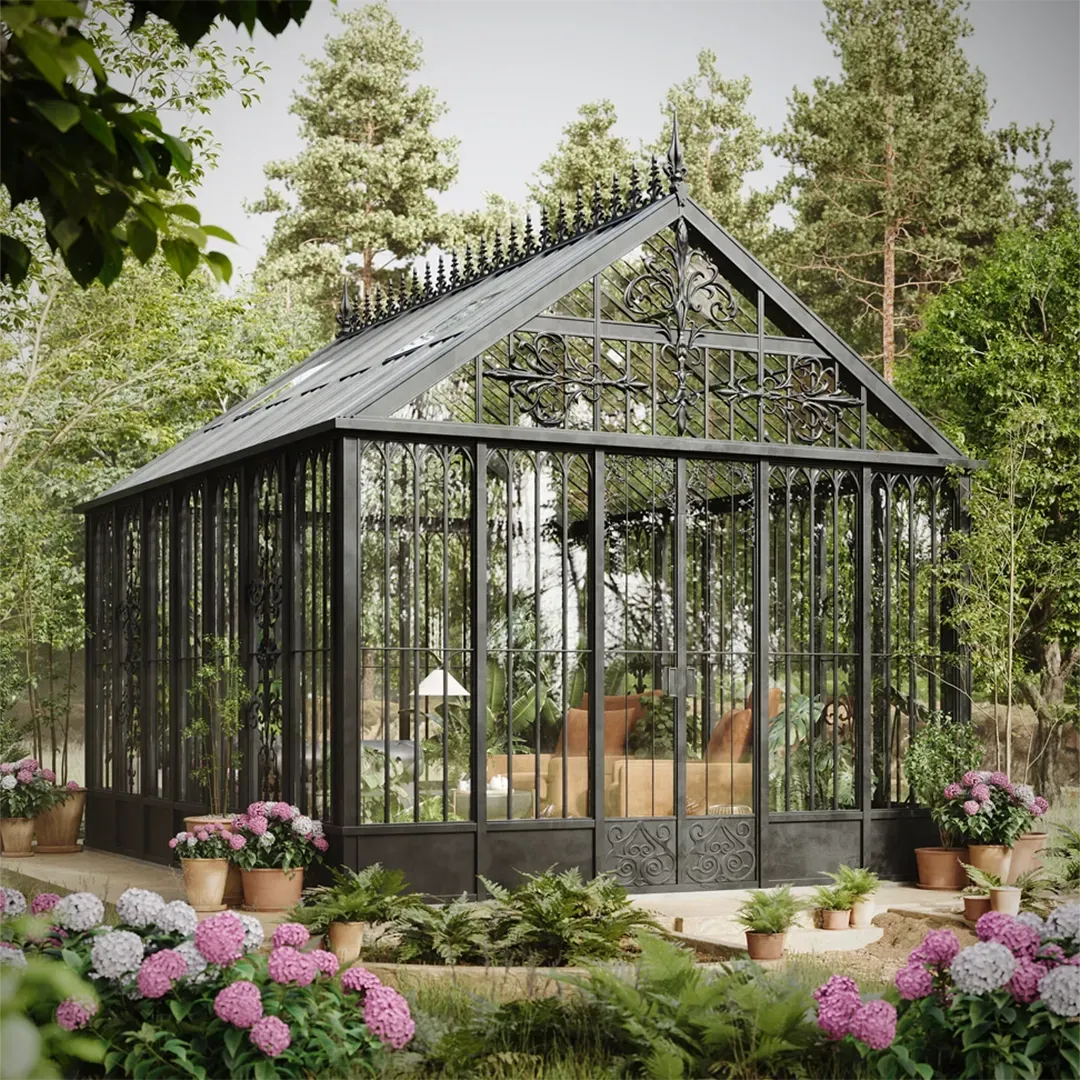
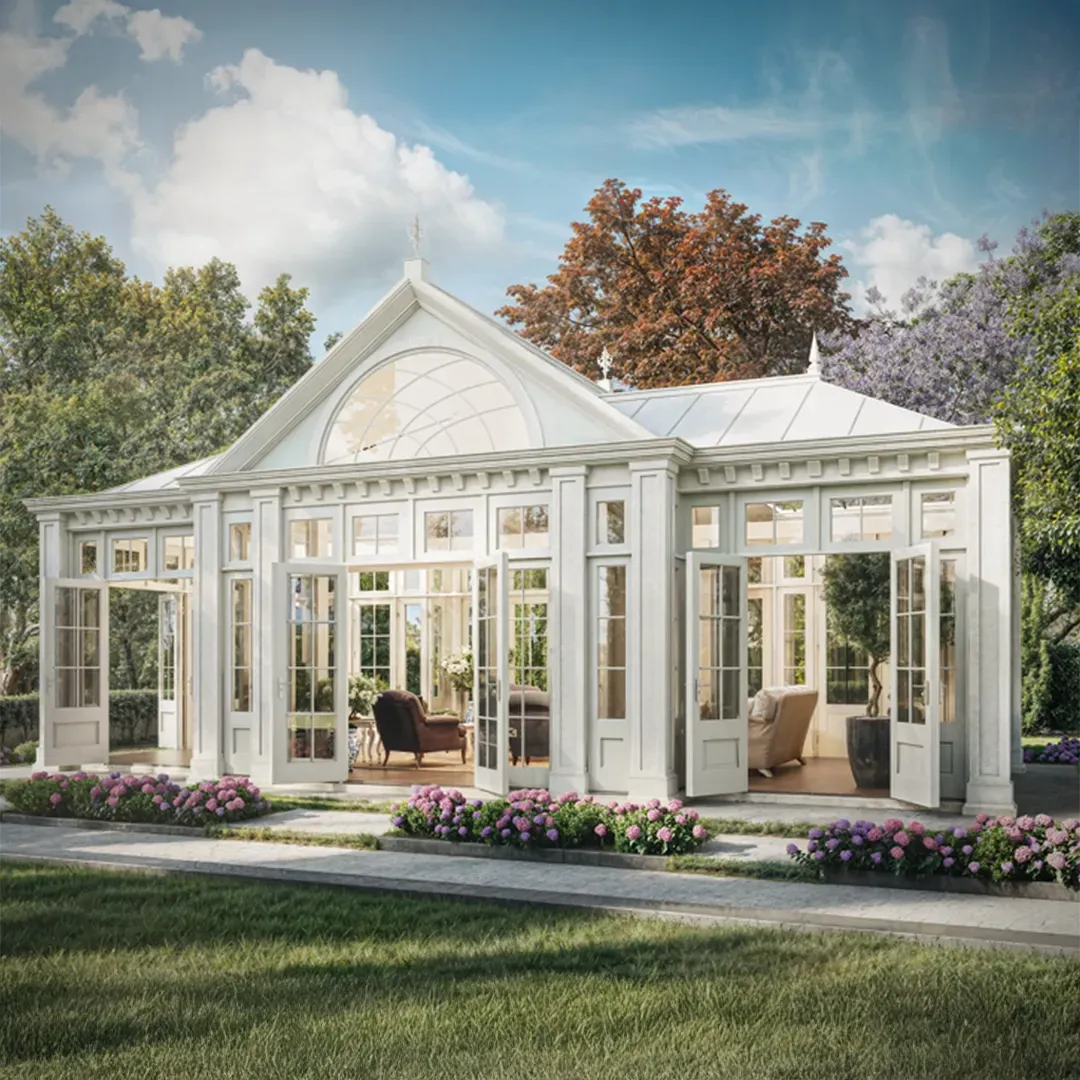
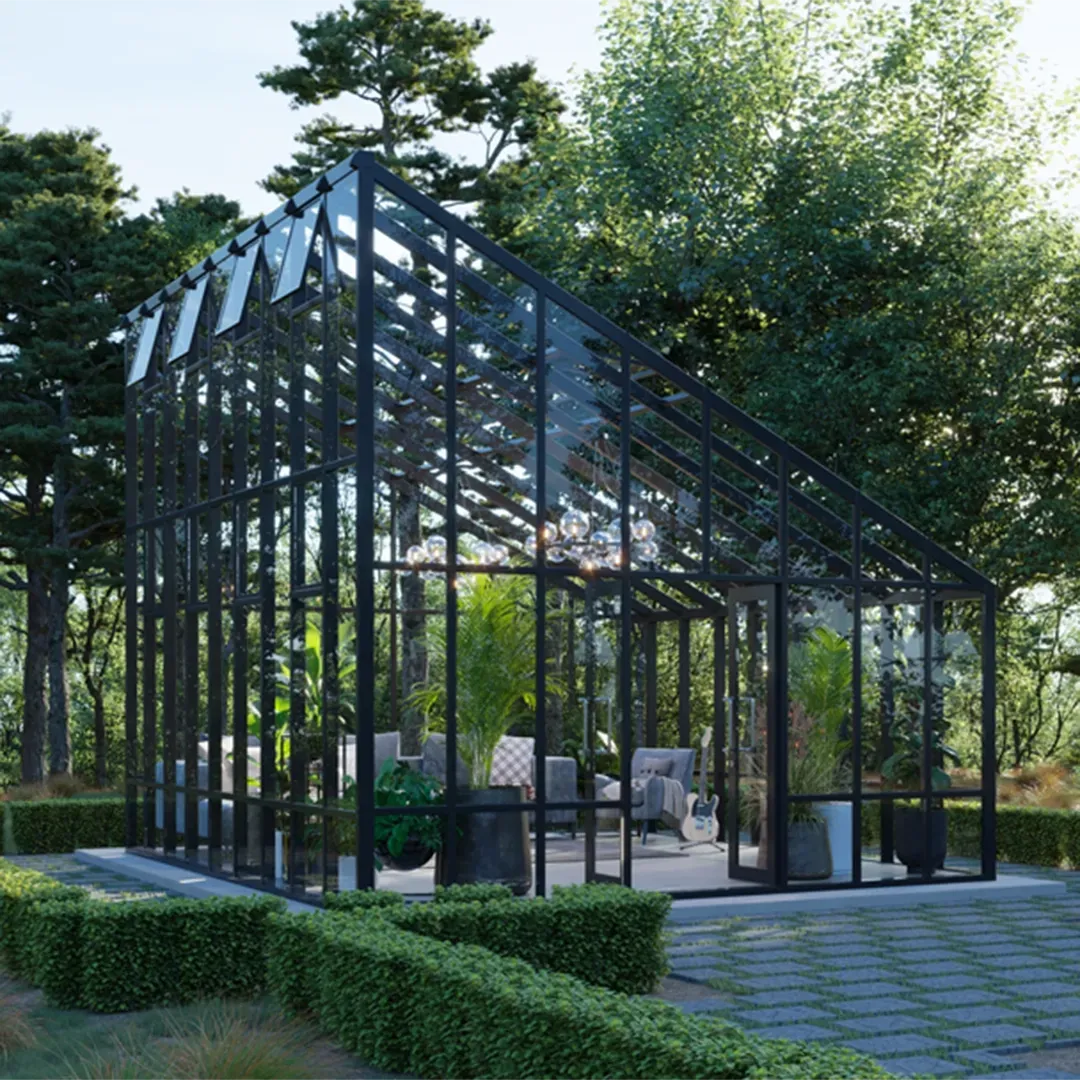
Bespoke Greenhouses
Crafted with Passion, Inspired by History
Our custom-designed steel and glass greenhouses unite precision engineering, architectural artistry, and your unique vision.
Collaborate with our expert design team to craft a bespoke structure tailored to your style, space, and functional needs—where beauty meets lasting durability.
Arches & Trellis
Where Quality Stands Apart
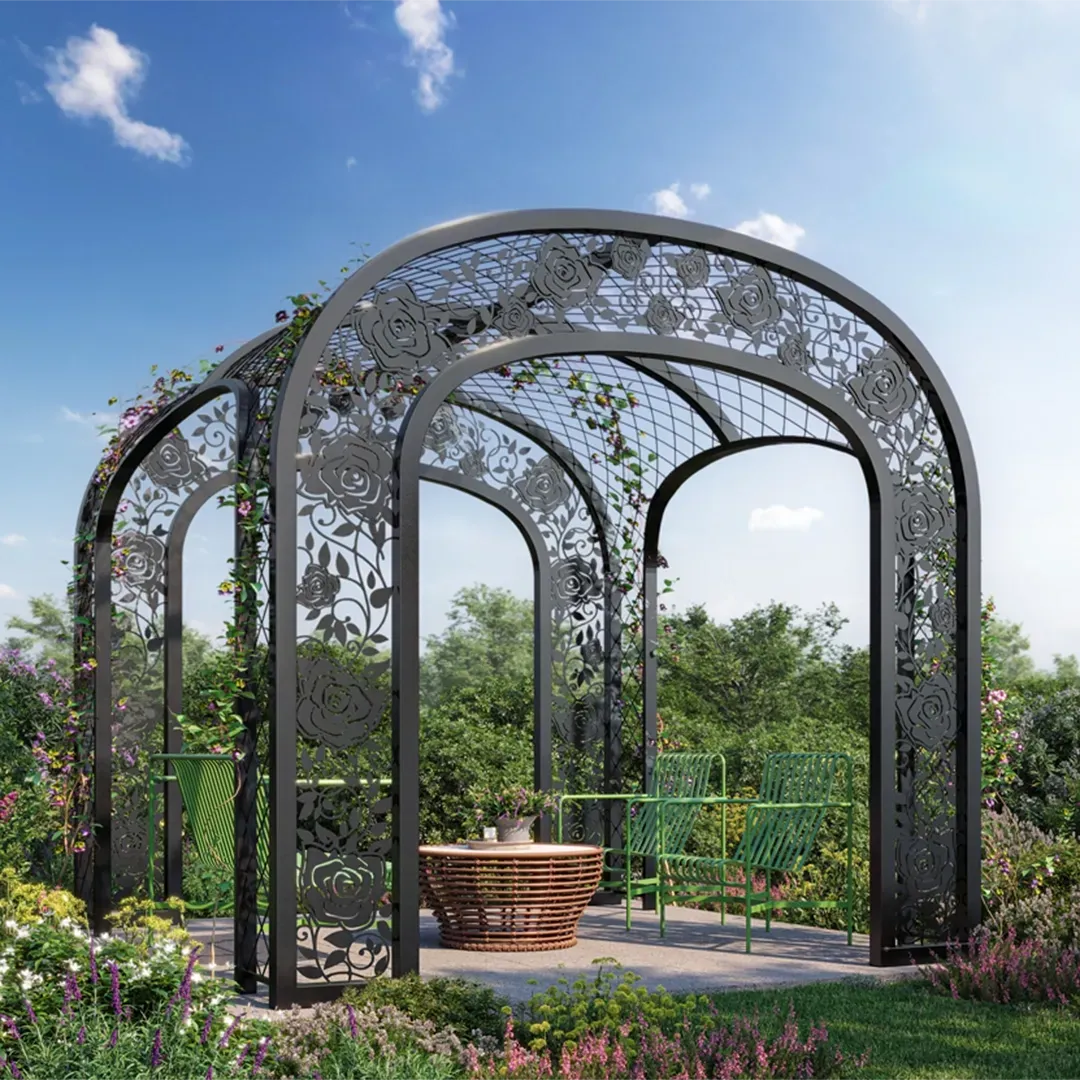
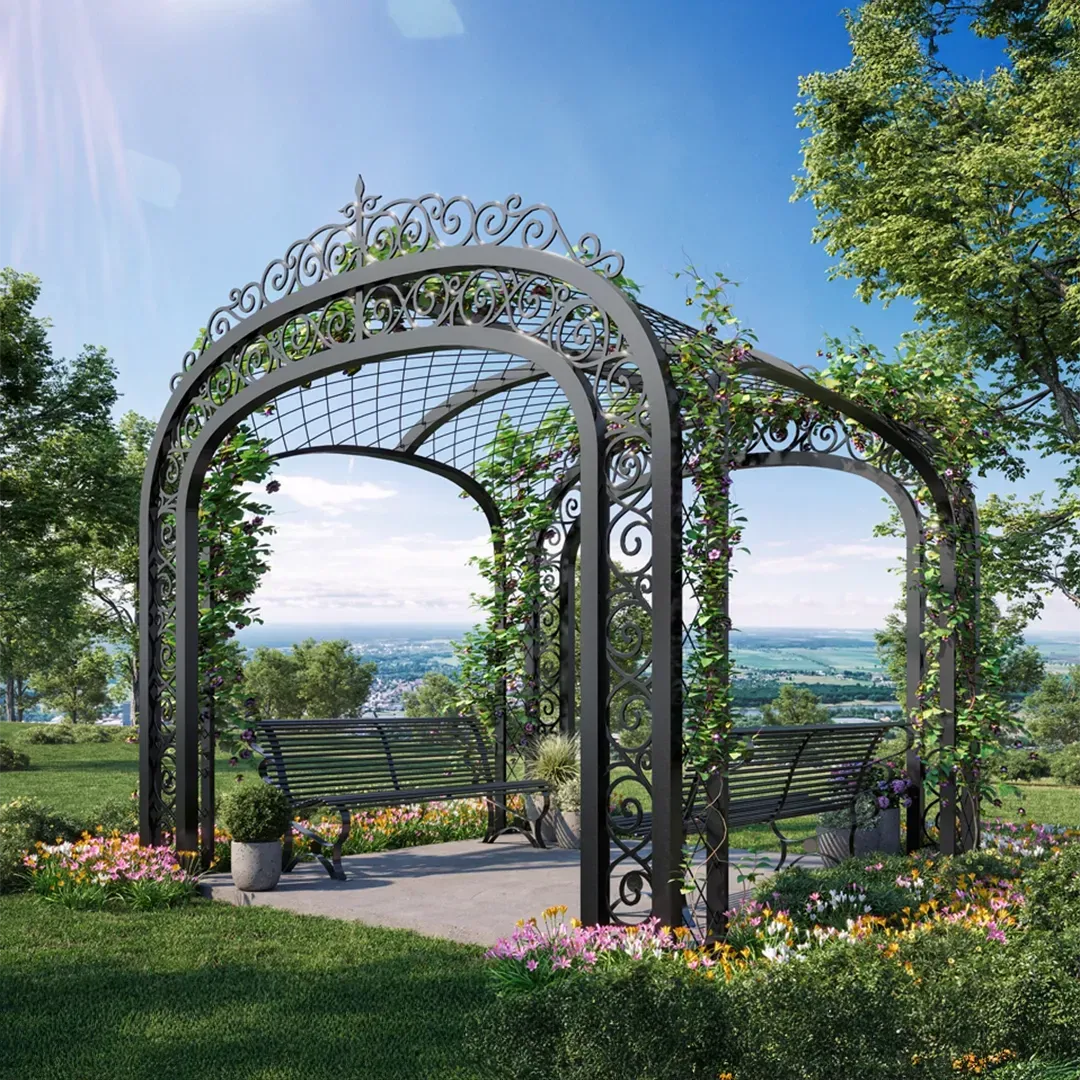
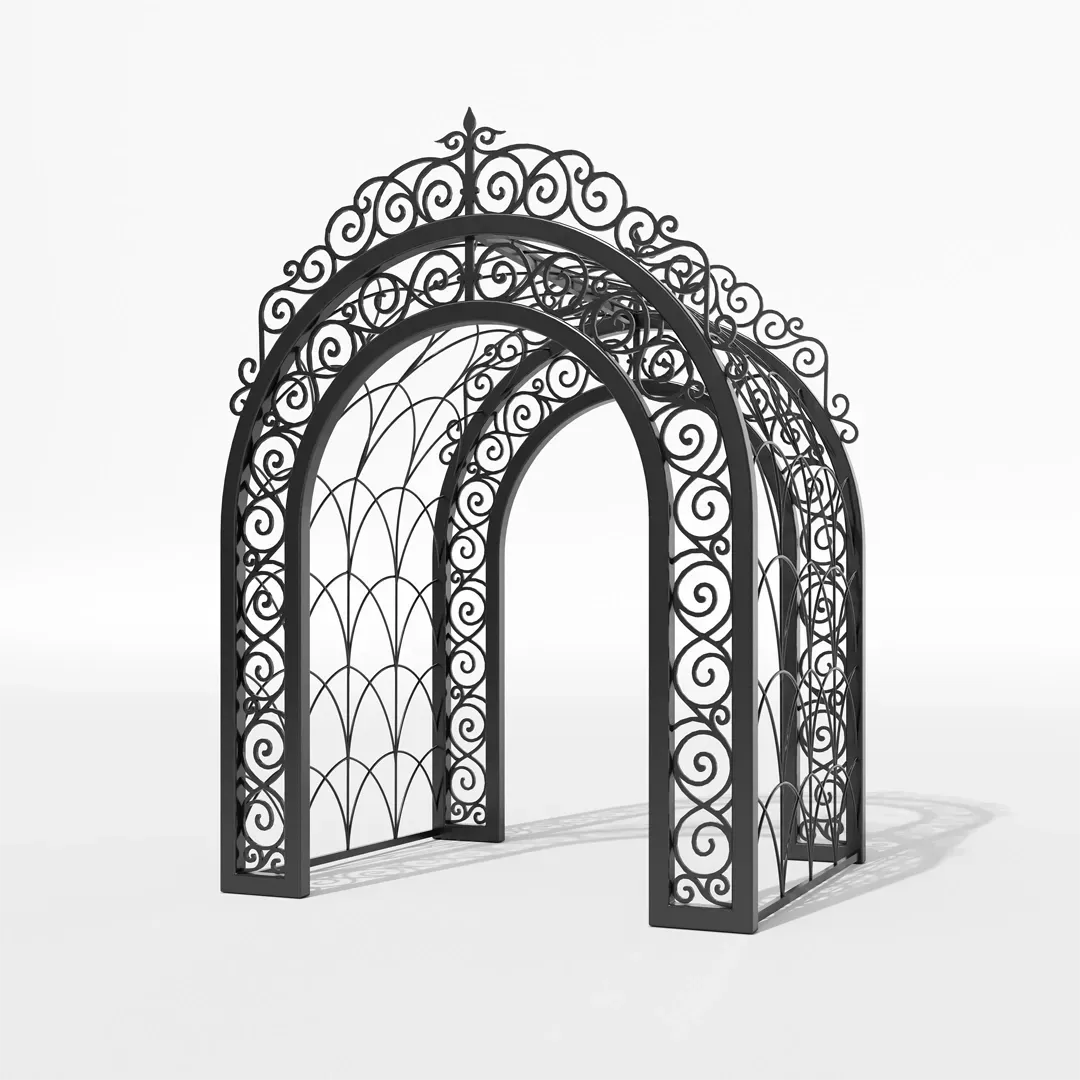
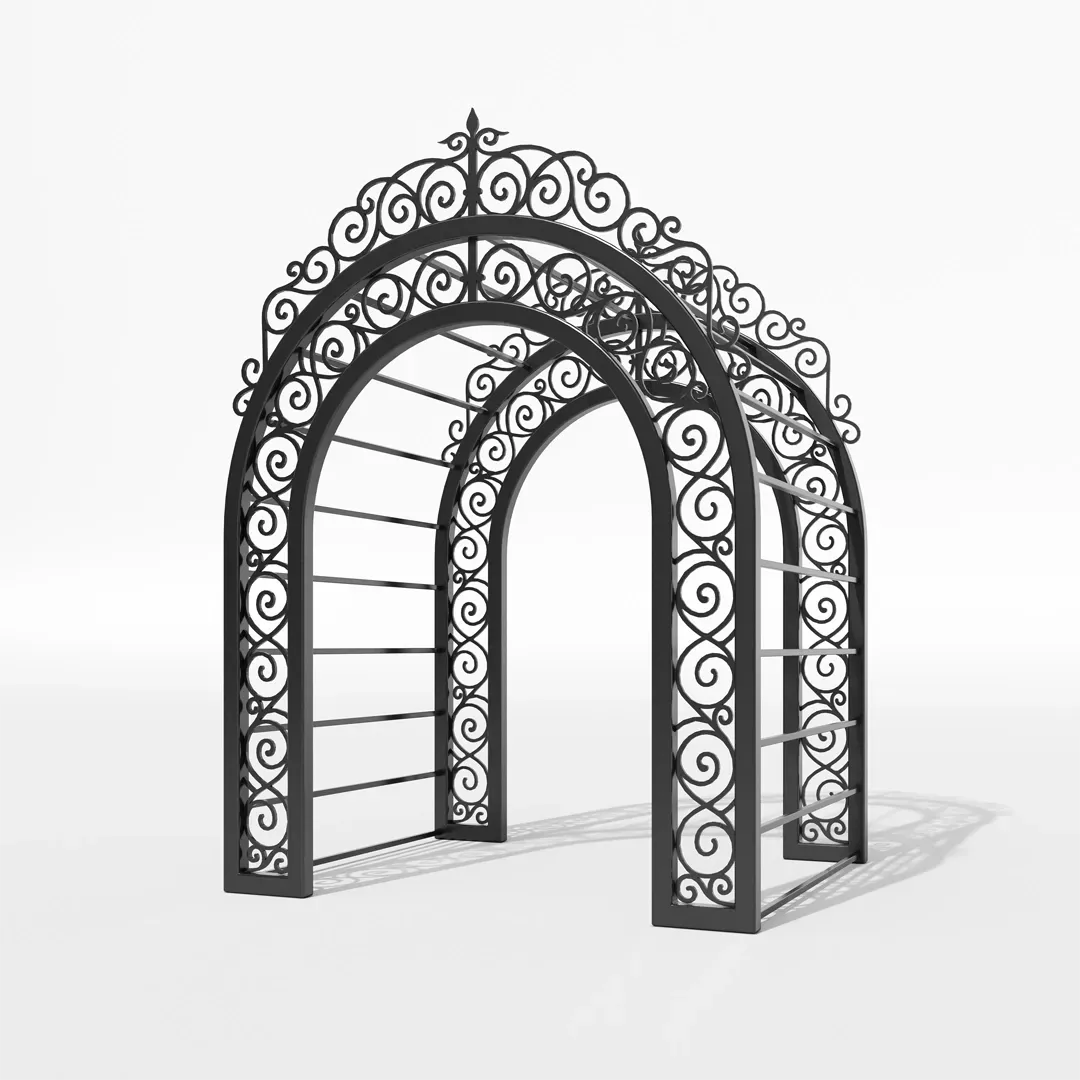
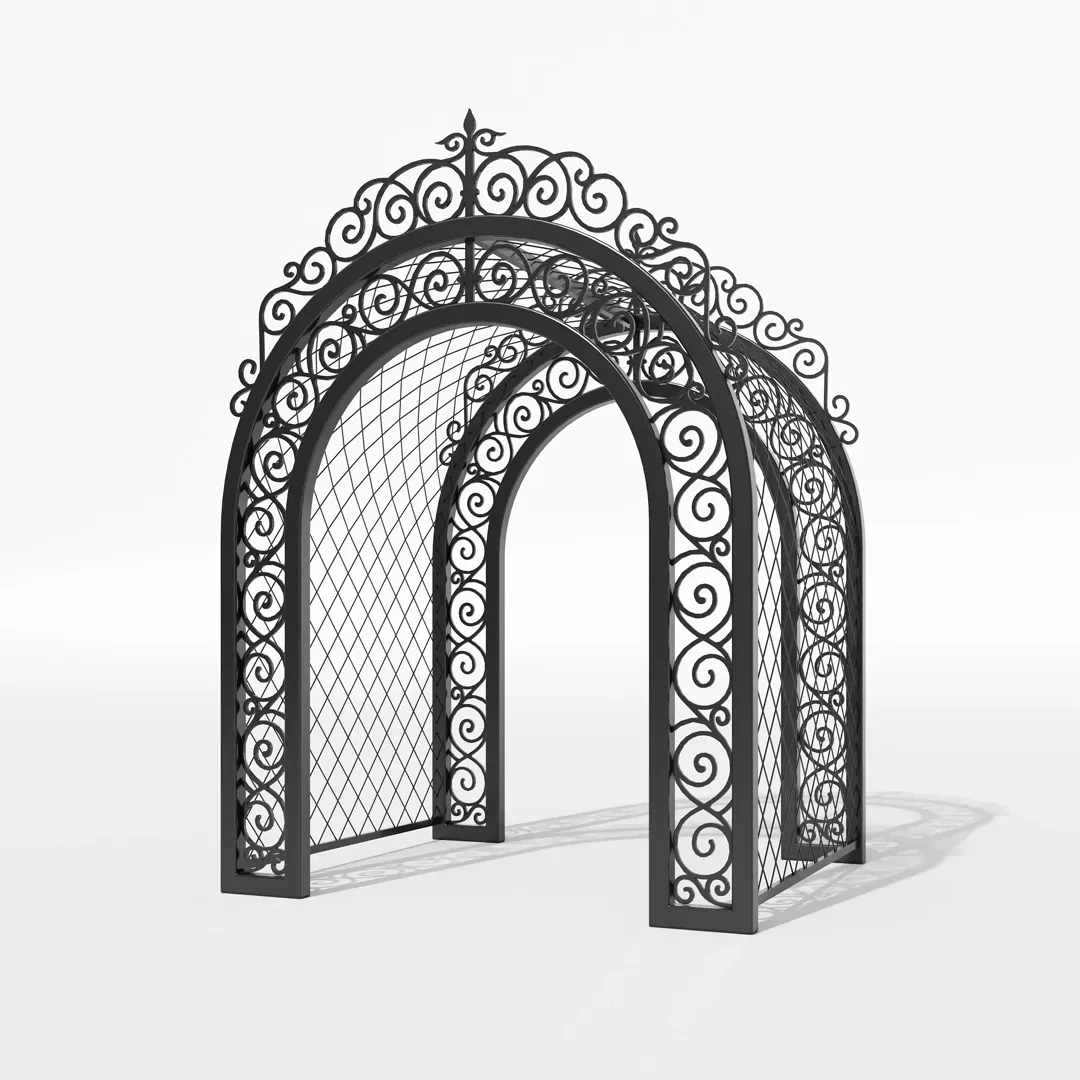
Our arches are built to last, crafted from powder-coated structural steel that won’t rust and stands up beautifully to the elements. Available in three standard sizes, each arch is designed to integrate seamlessly into any landscape. Choose from three elegant trellis styles to elevate your garden with lasting sophistication.
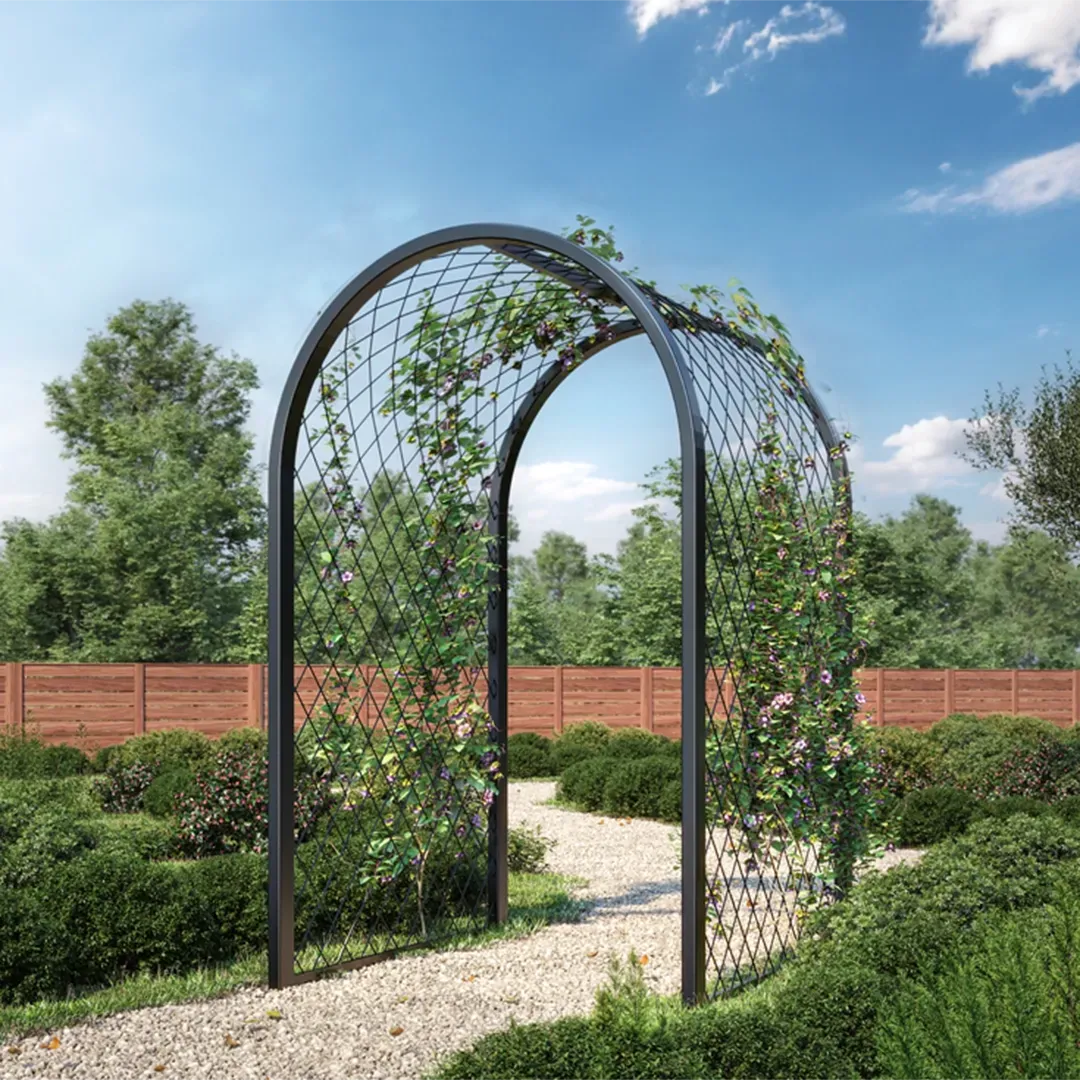
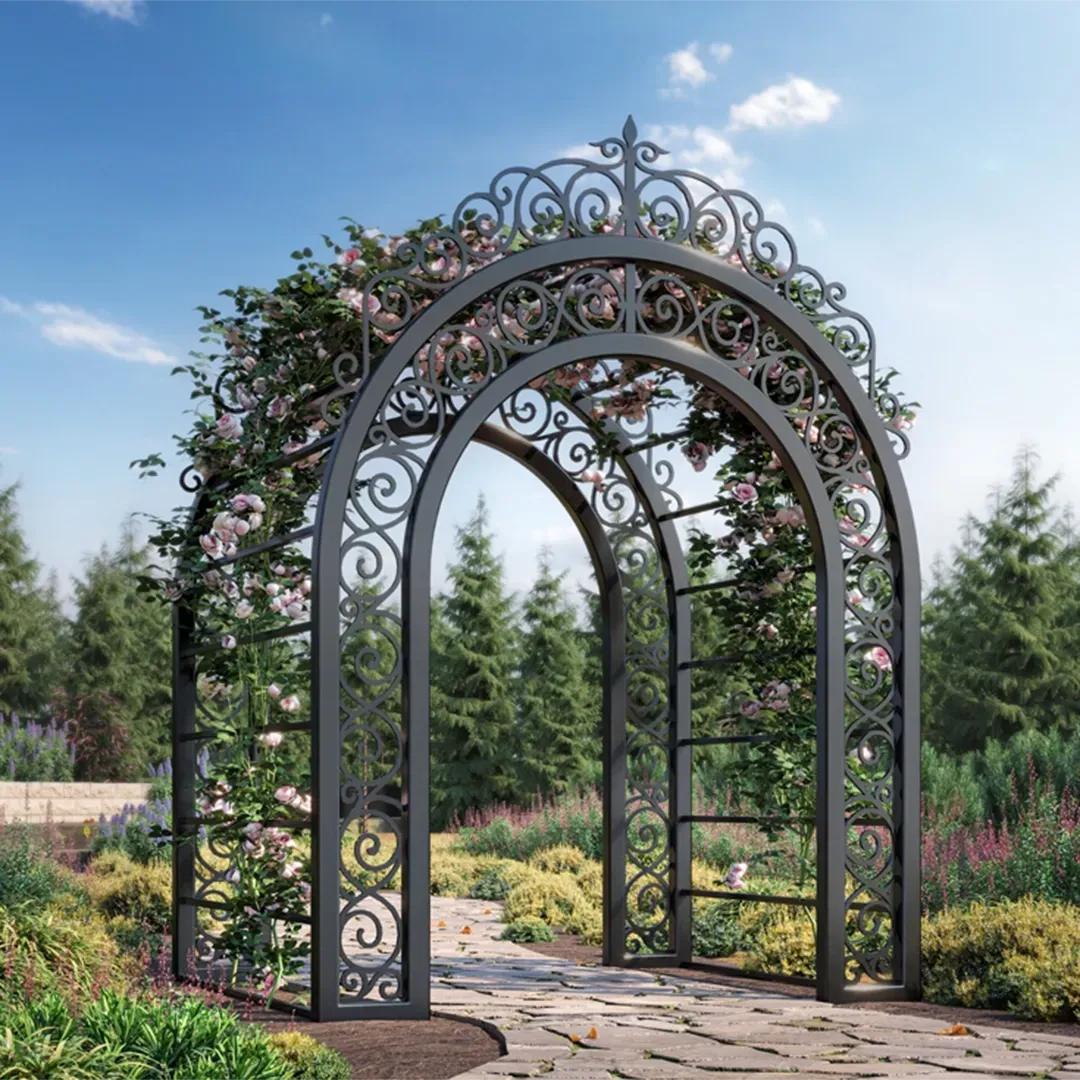

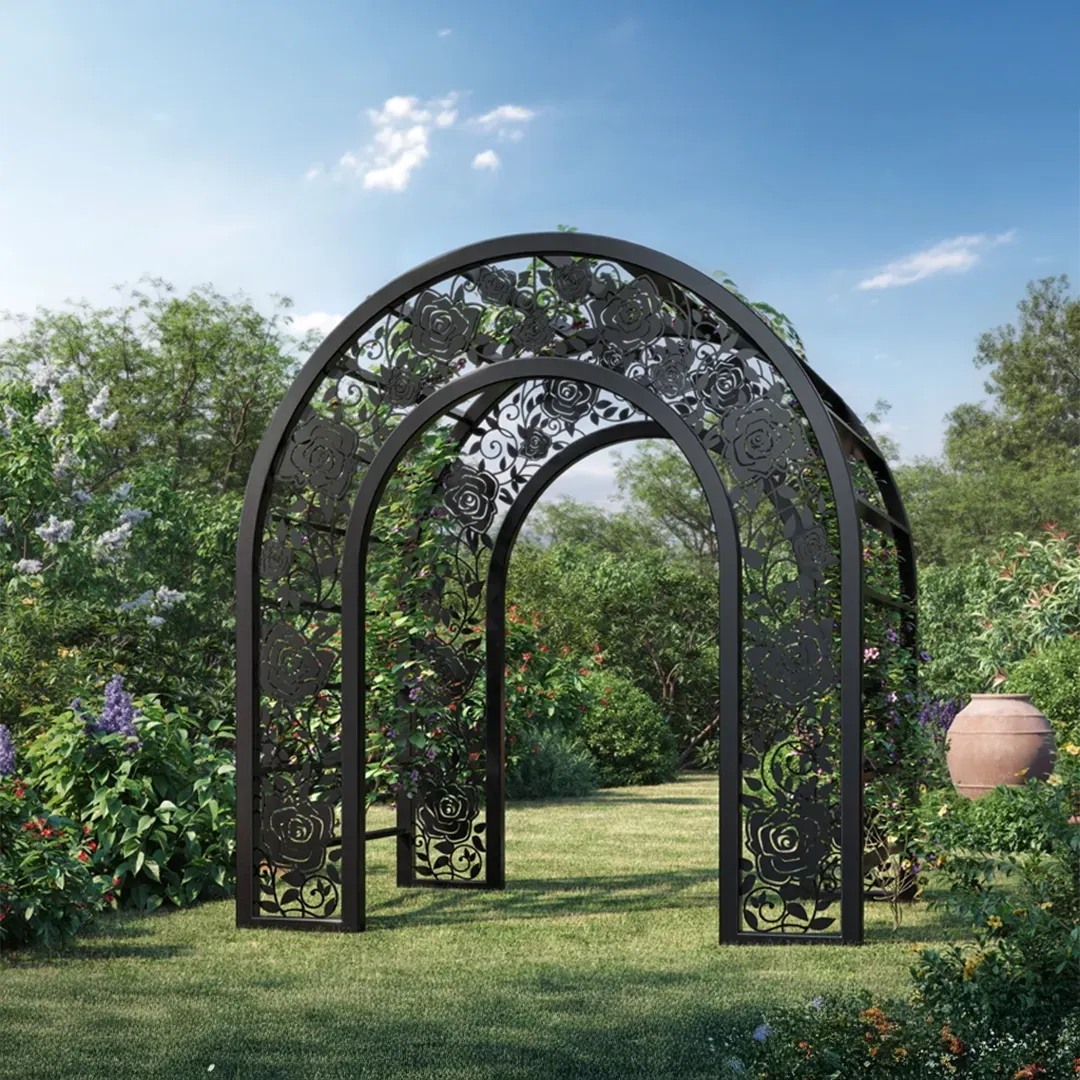
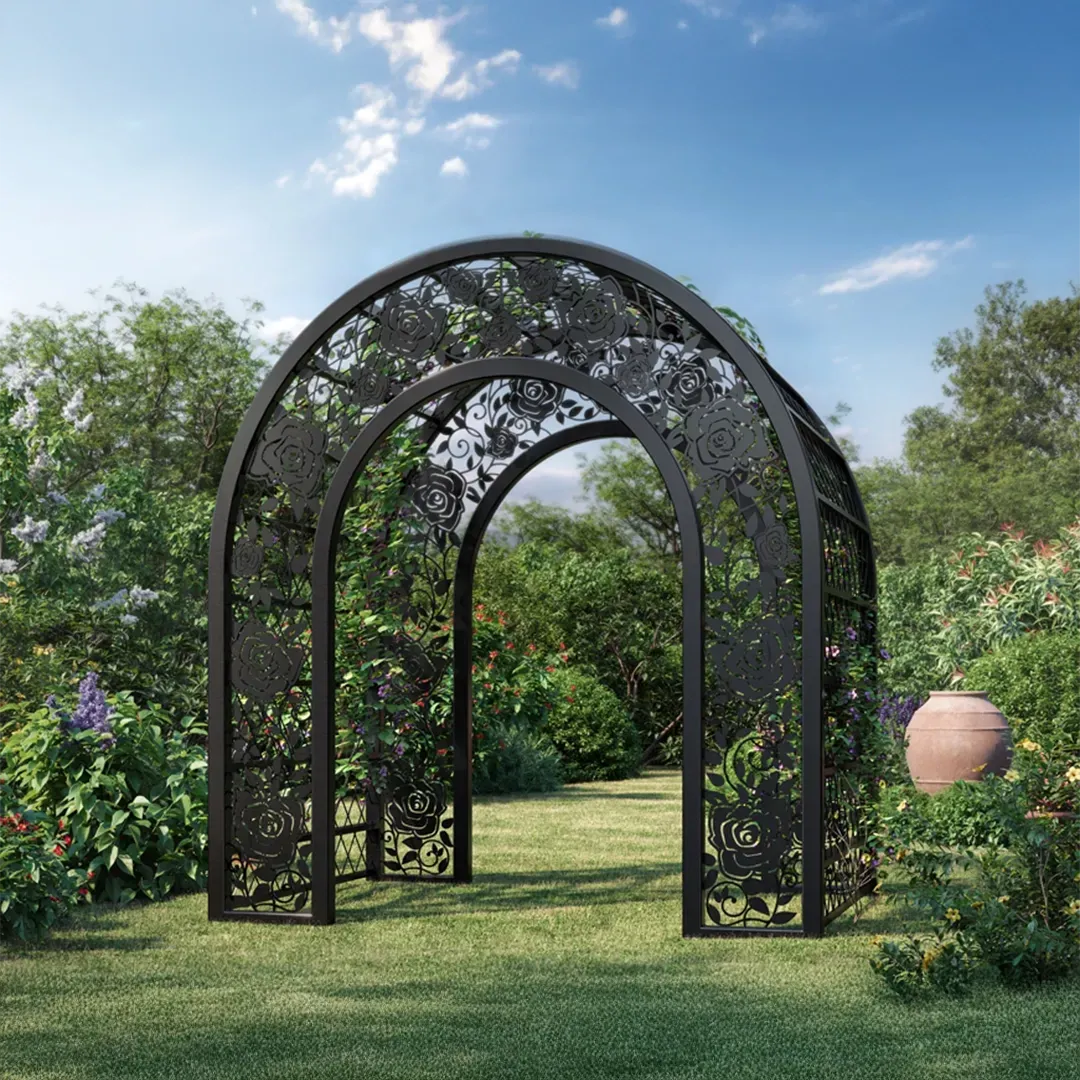
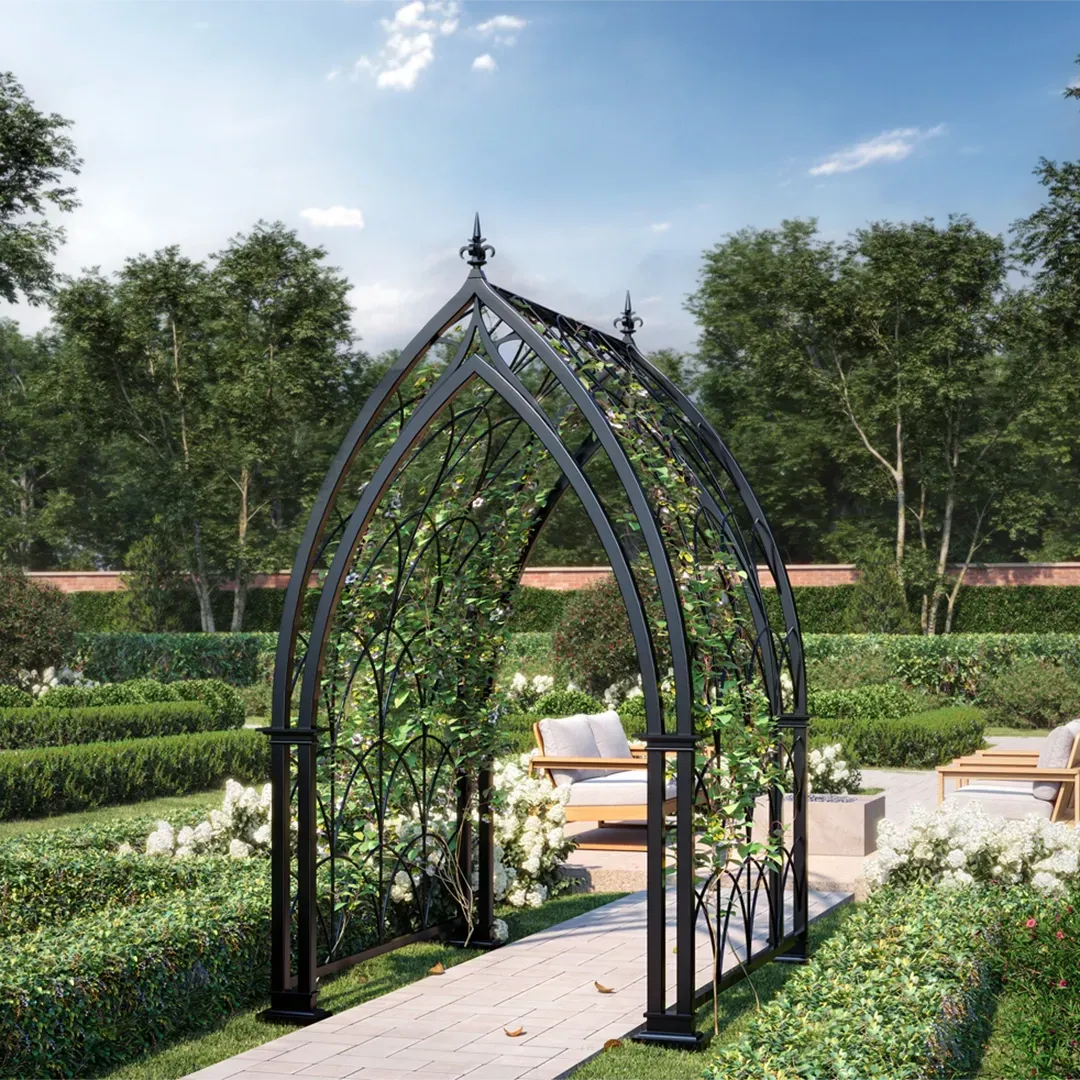
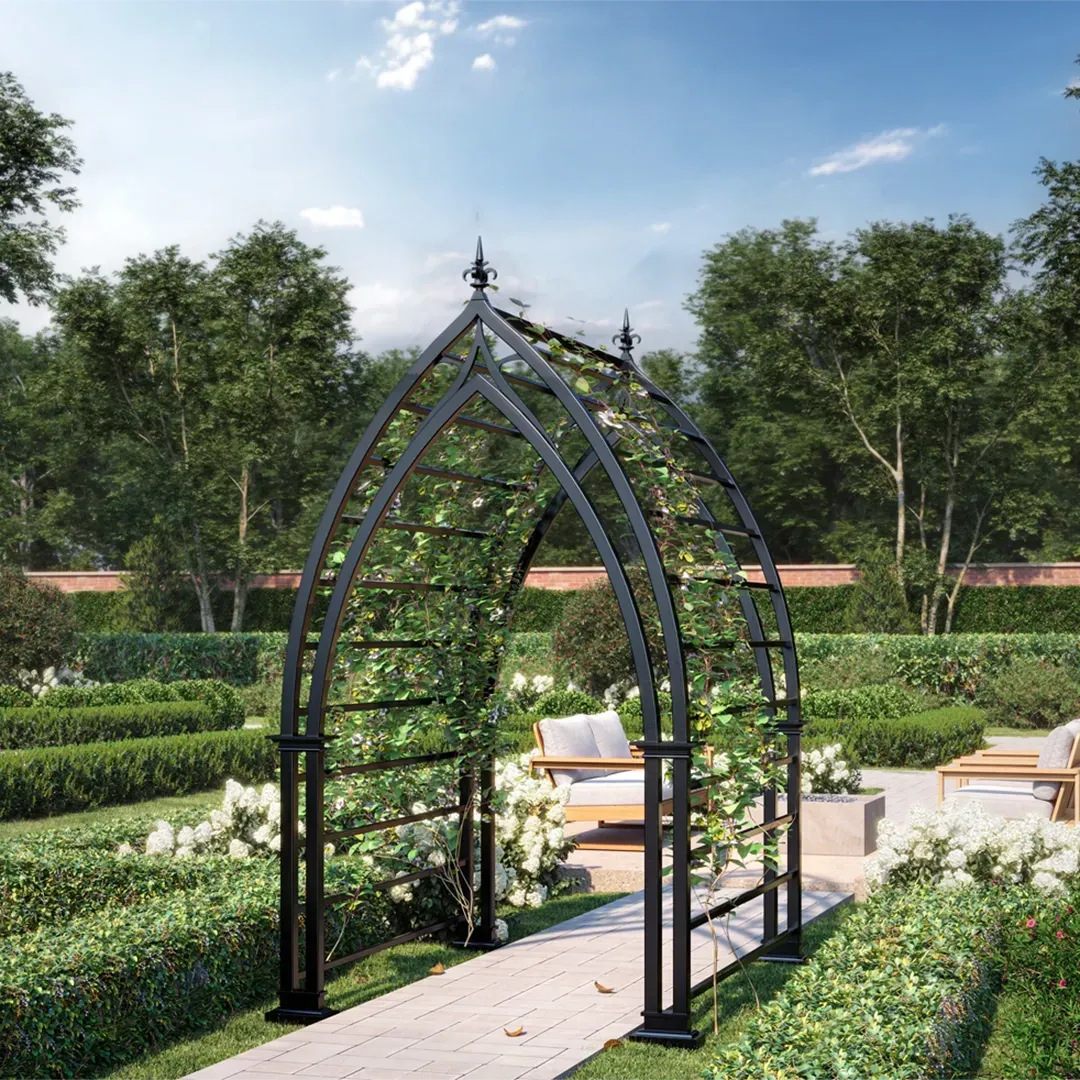
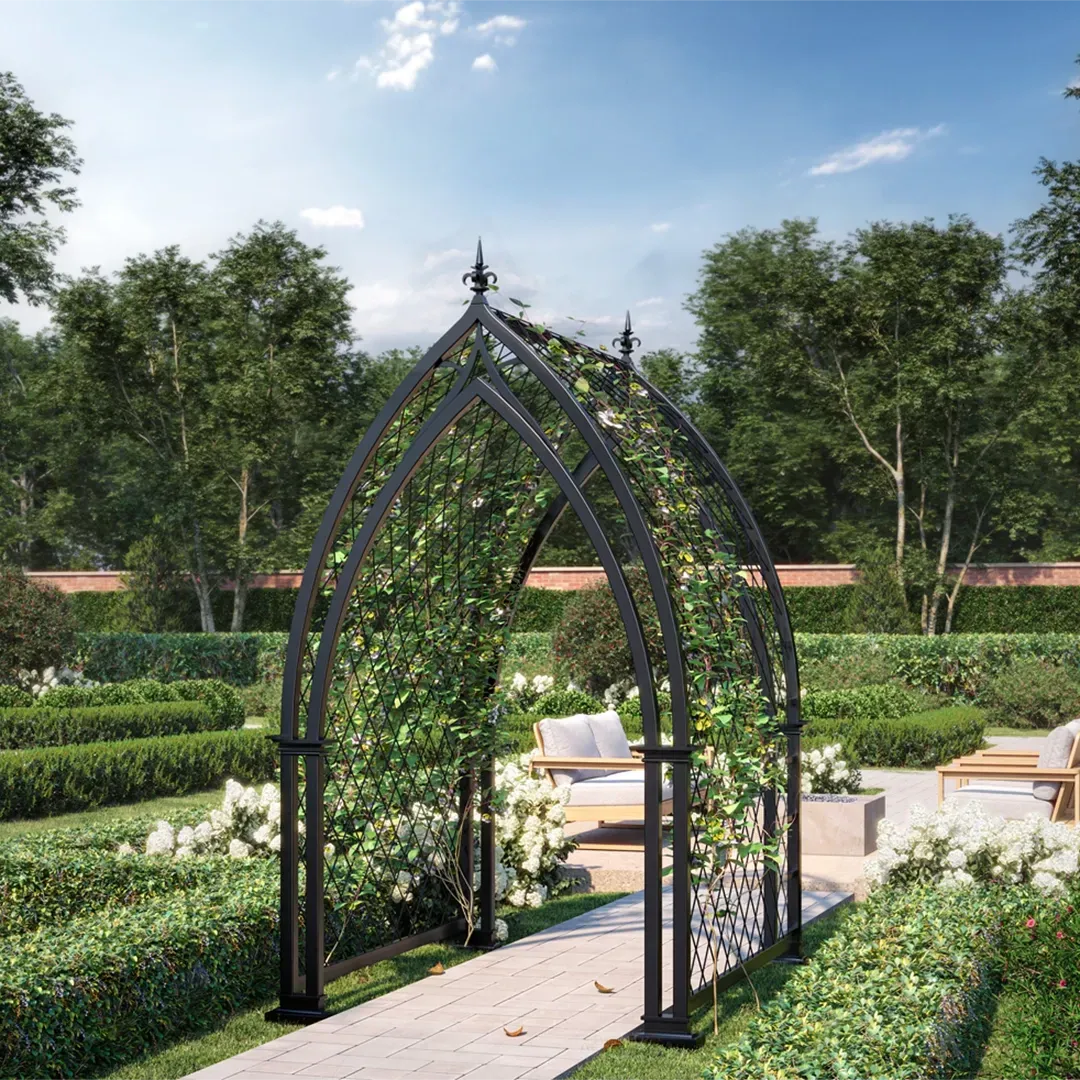
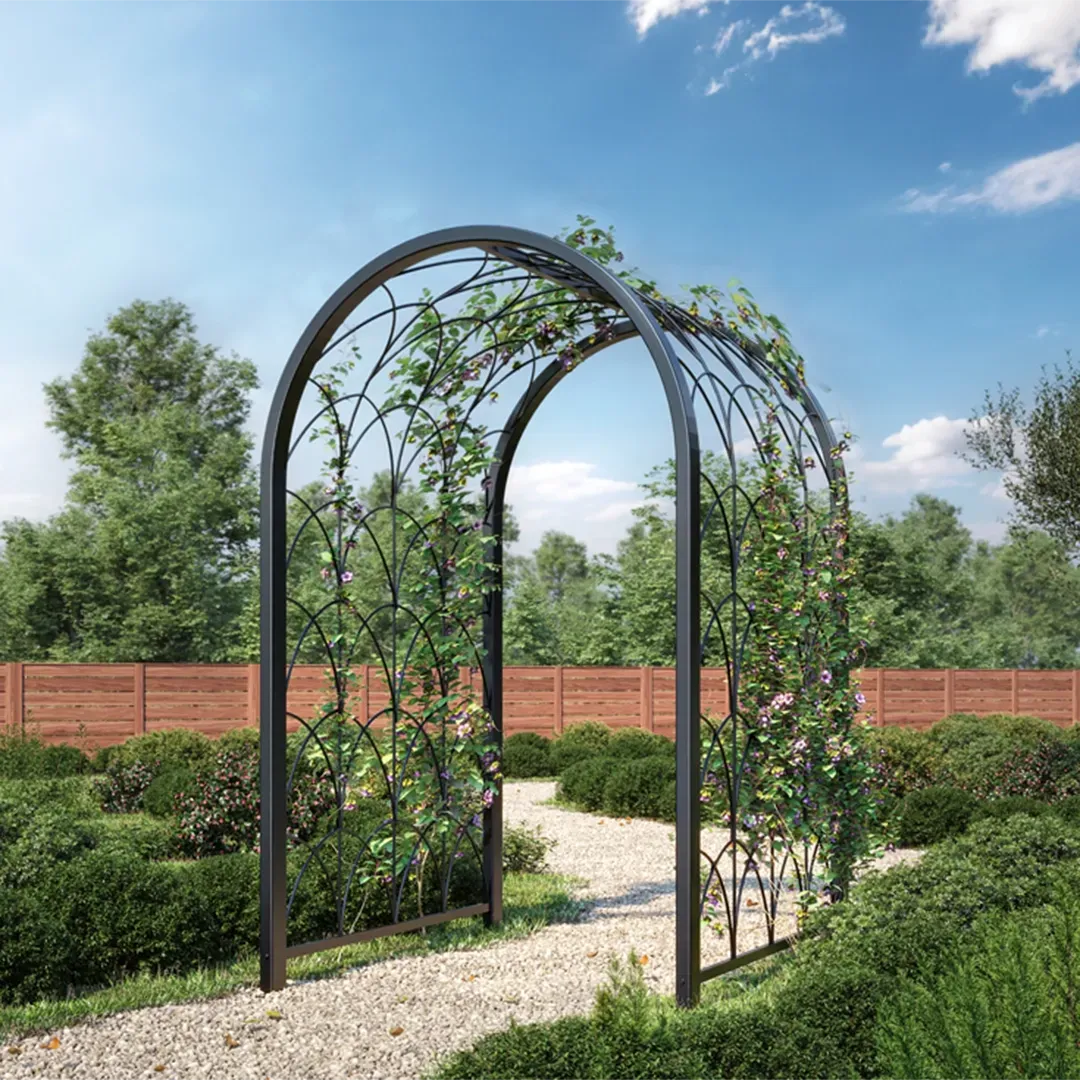
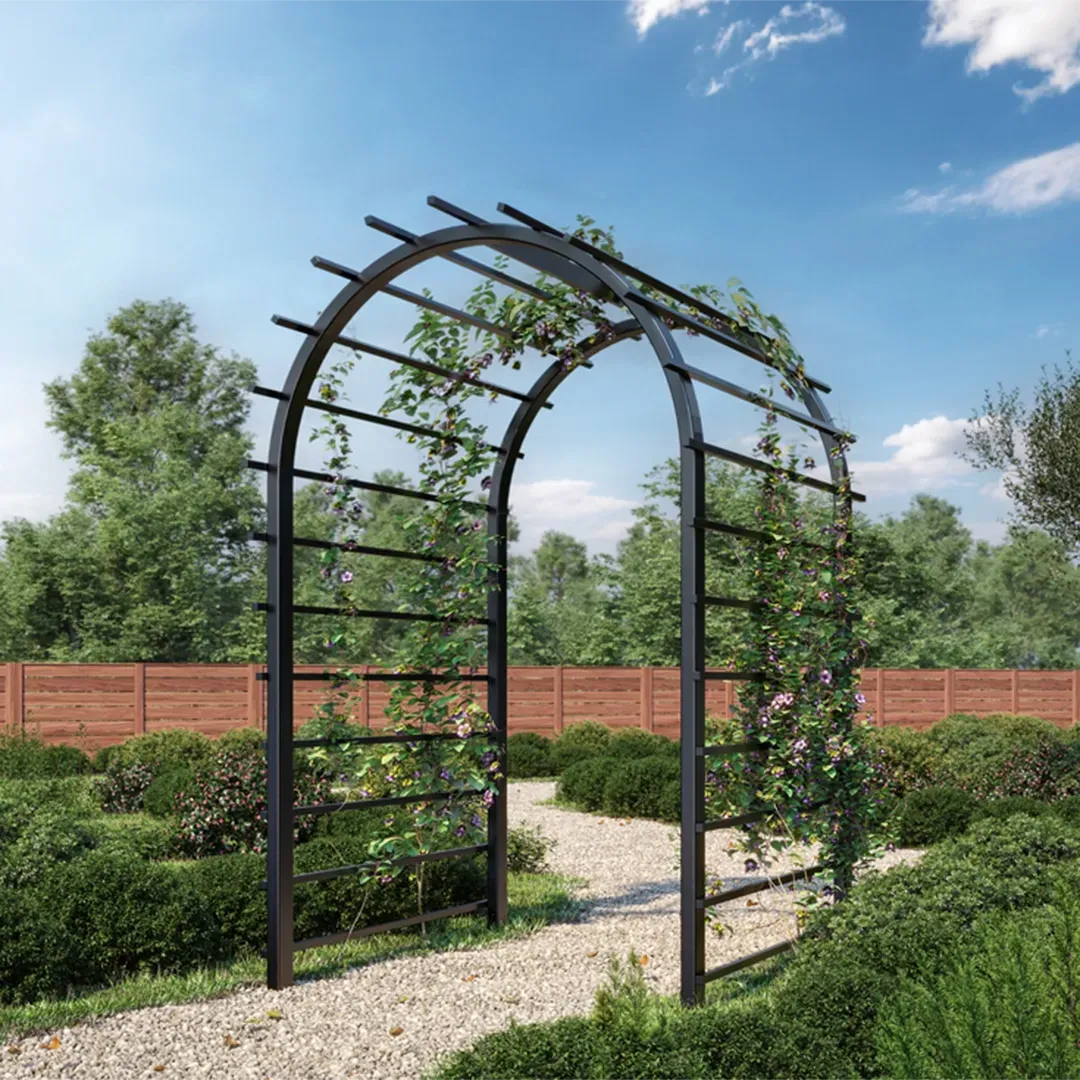
Arches & Trellises
Where Quality Stands Apart
Our arches come in three standard sizes, designed to seamlessly integrate into any landscape. Choose from three distinct trellis options, each crafted to enhance your garden’s aesthetic with elegance and style.
Gazebos
A Timeless Asset in Architectural Beauty
Our gazebos are more than just shade structures—they are timeless investments in both your property and lifestyle.
Designed for entertaining, dining, or quiet relaxation, each piece is meticulously crafted to blend elegance with durability, creating a stunning focal point for your outdoor space.
Outdoor Furniture
Where Luxury Meets Lasting Strength
Elevate your outdoor space with Steel Gardens' modern, versatile furniture collection—designed to complement any garden or backyard with sophistication and comfort. Each piece is made to order, ensuring a seamless fit for your unique style and space.


Outdoor Furniture
Where Luxury Meets Lasting Strength
Elevate your outdoor space with Steel Gardens' modern, versatile furniture collection—designed to complement any garden or backyard with sophistication and comfort. Each piece is made to order, ensuring a seamless fit for your unique style and space.
Featured Designs for Elevated Outdoor Living
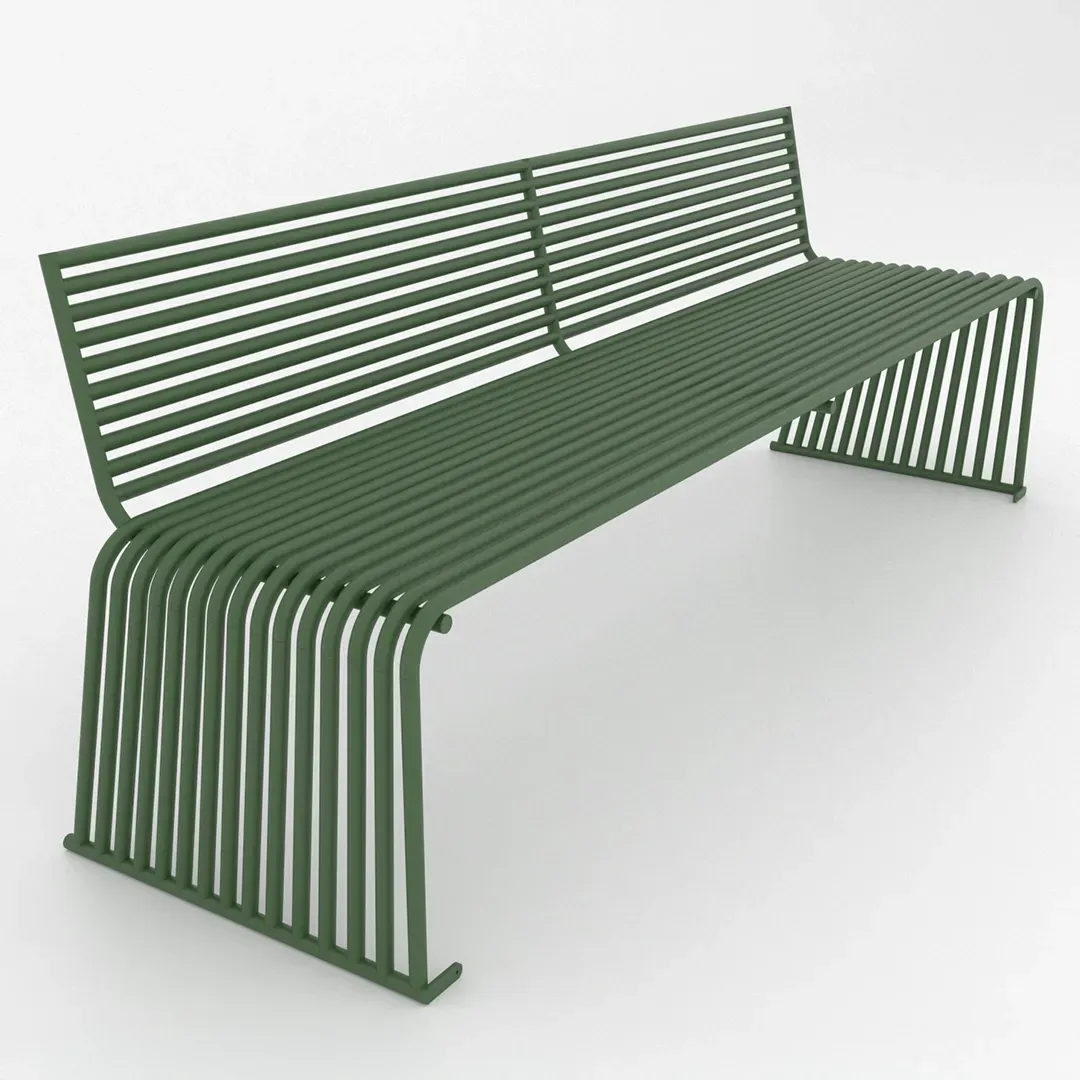
The Courtyard Bench
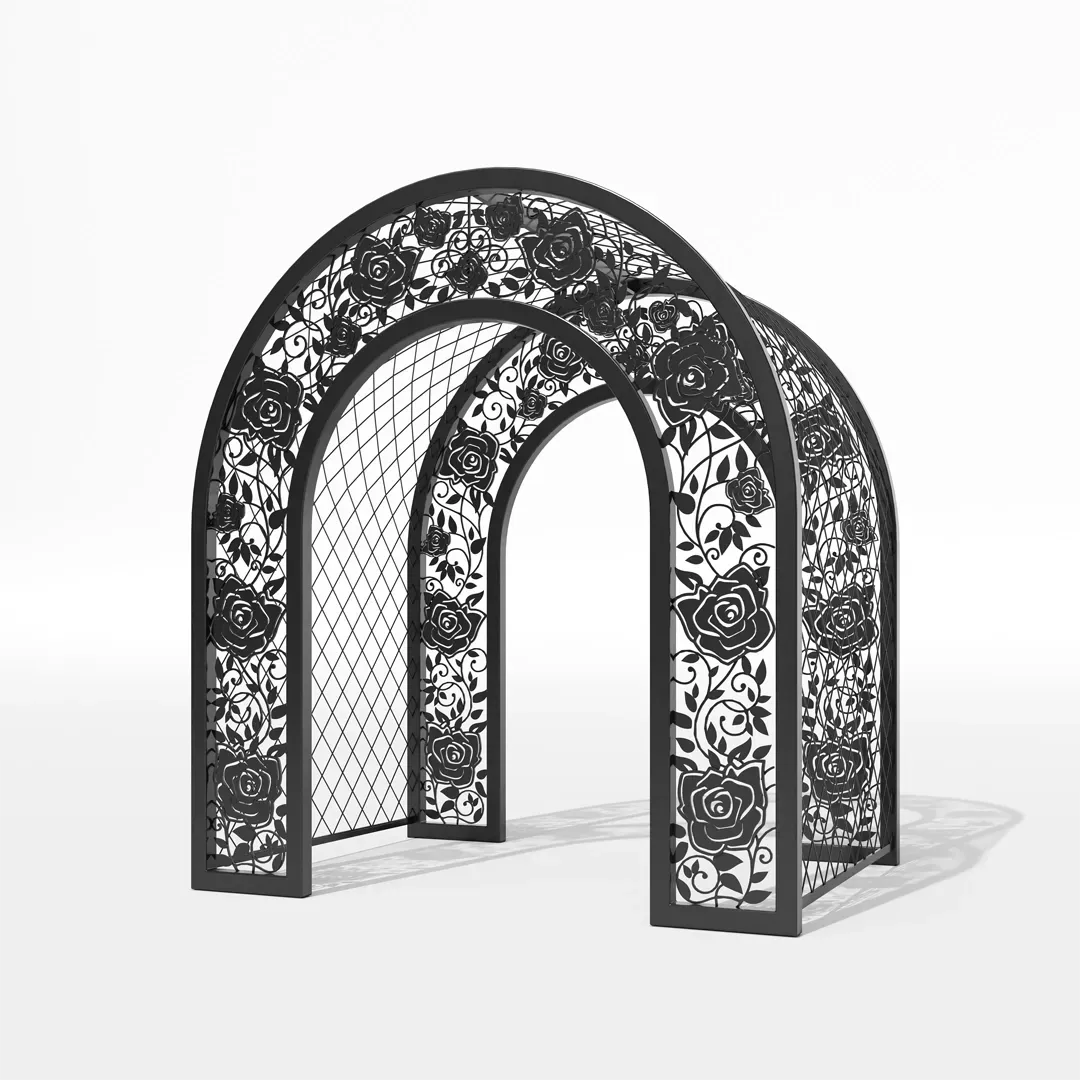
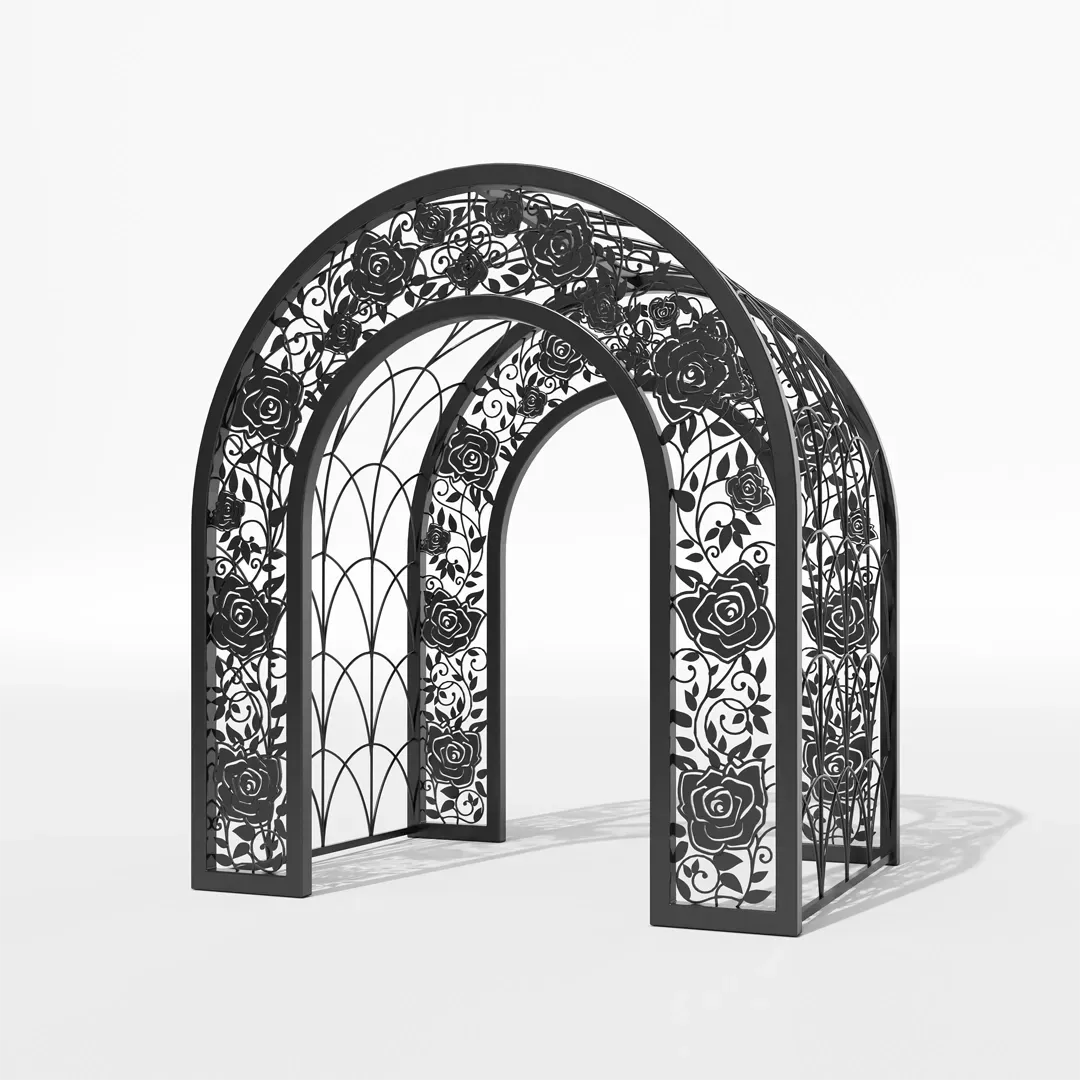
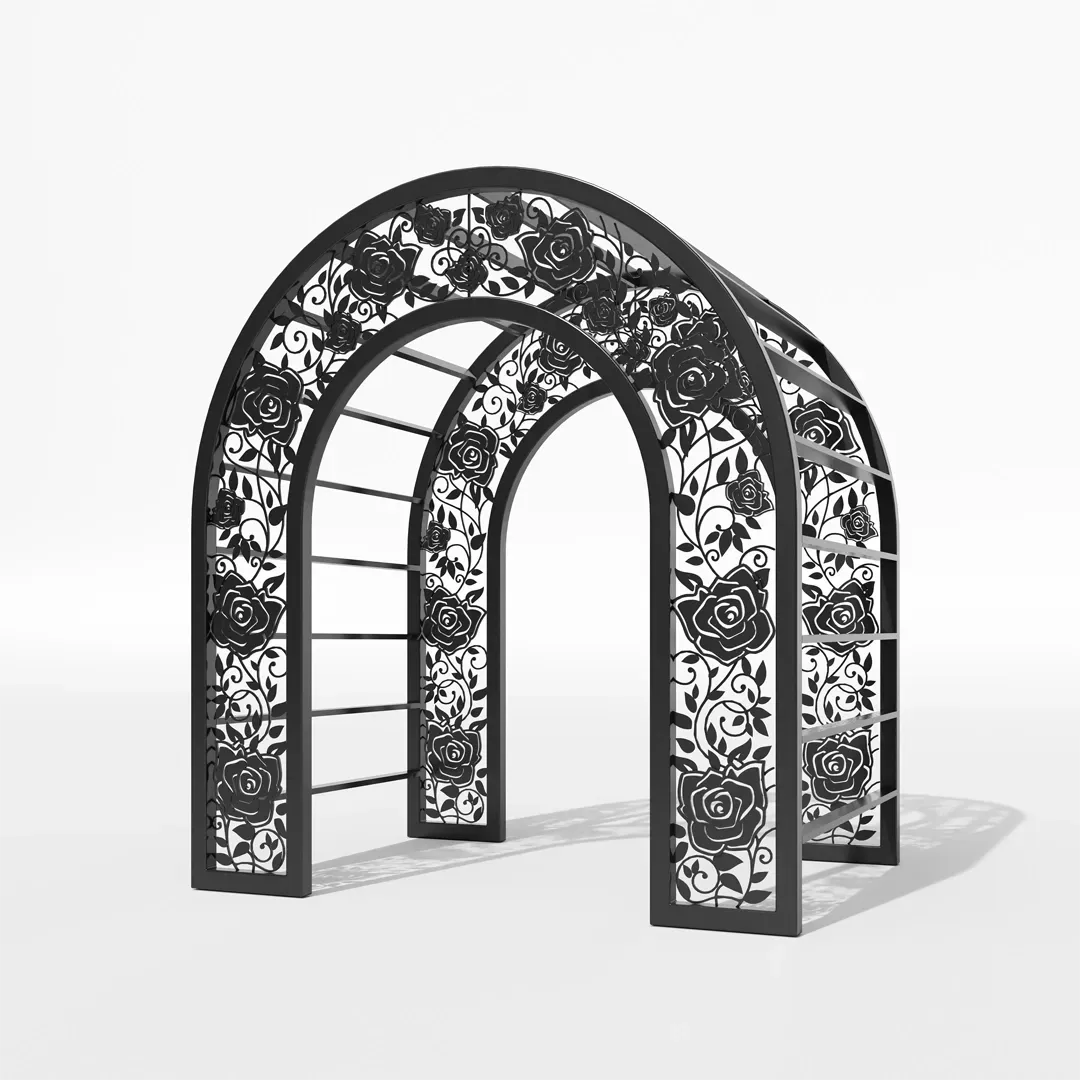
The Rose Garden Arch
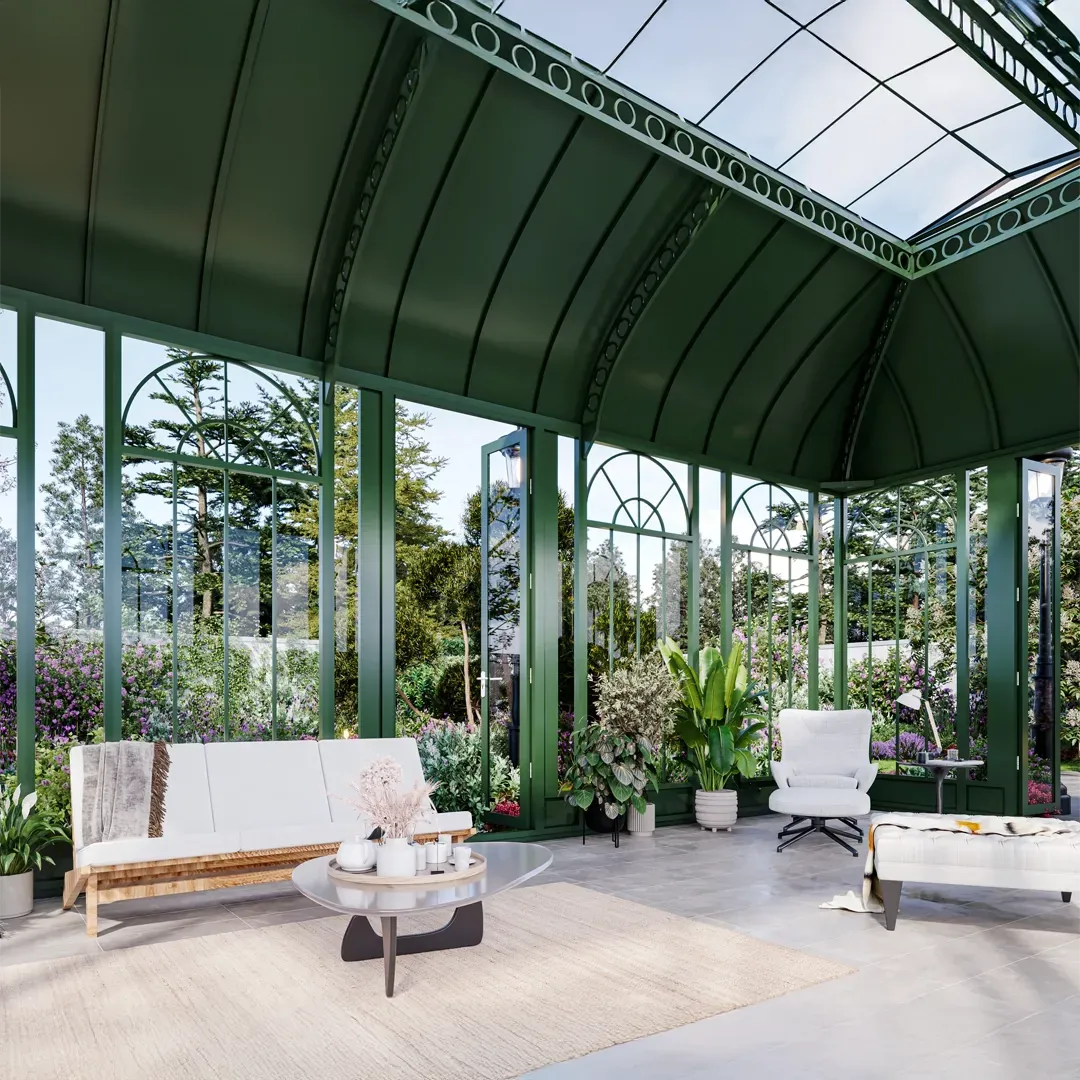
The Belfast Modern
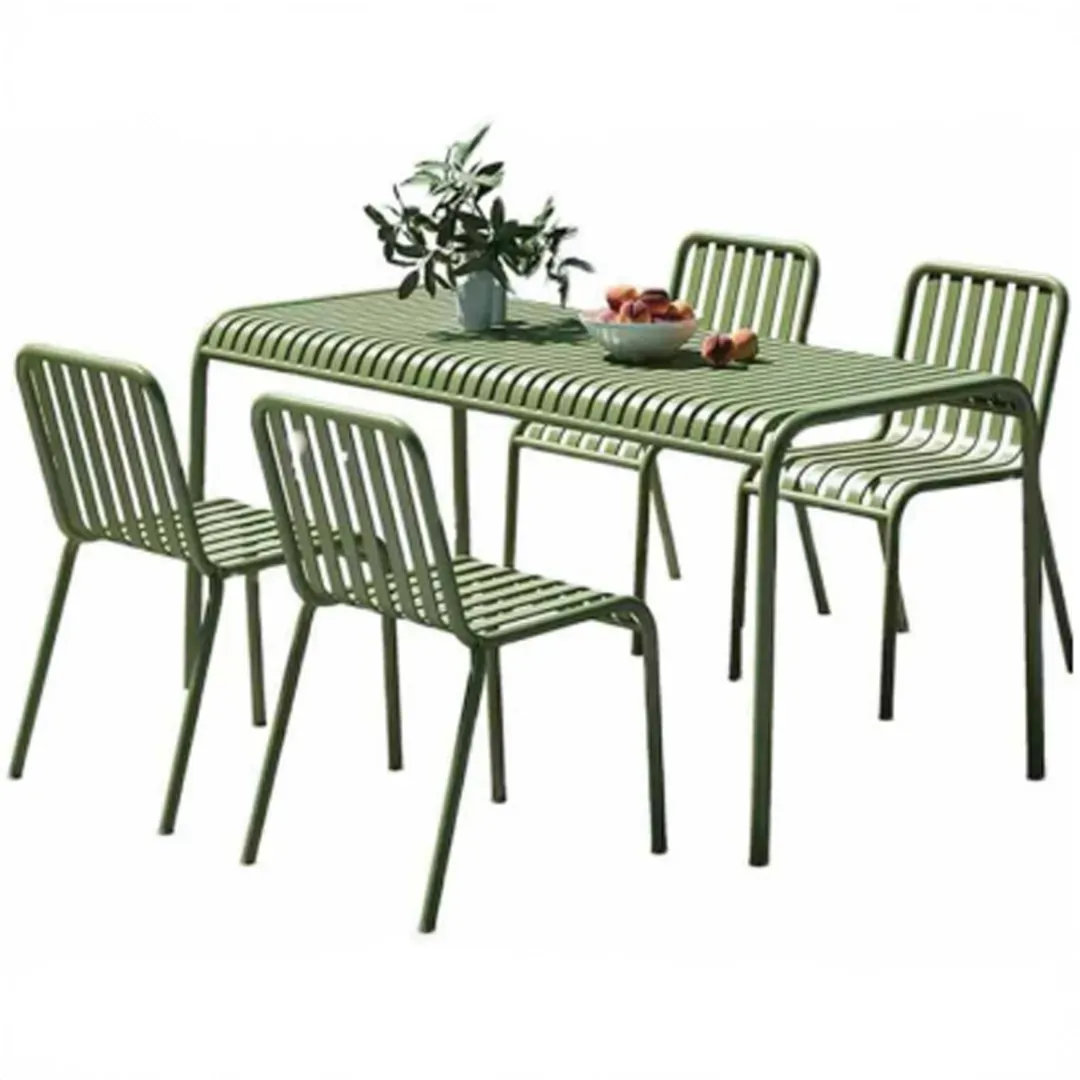
The Greenhouse Dining Patio Set
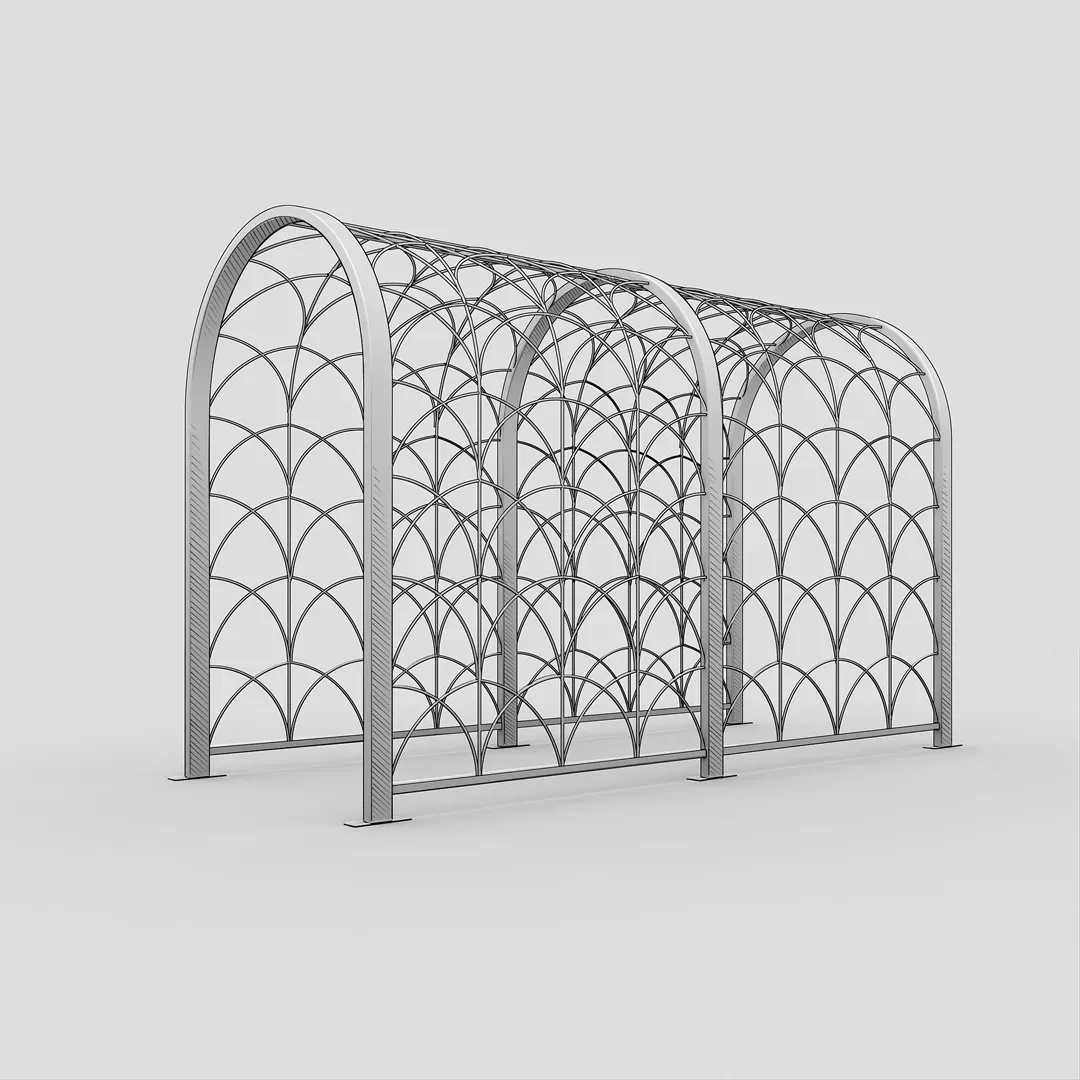
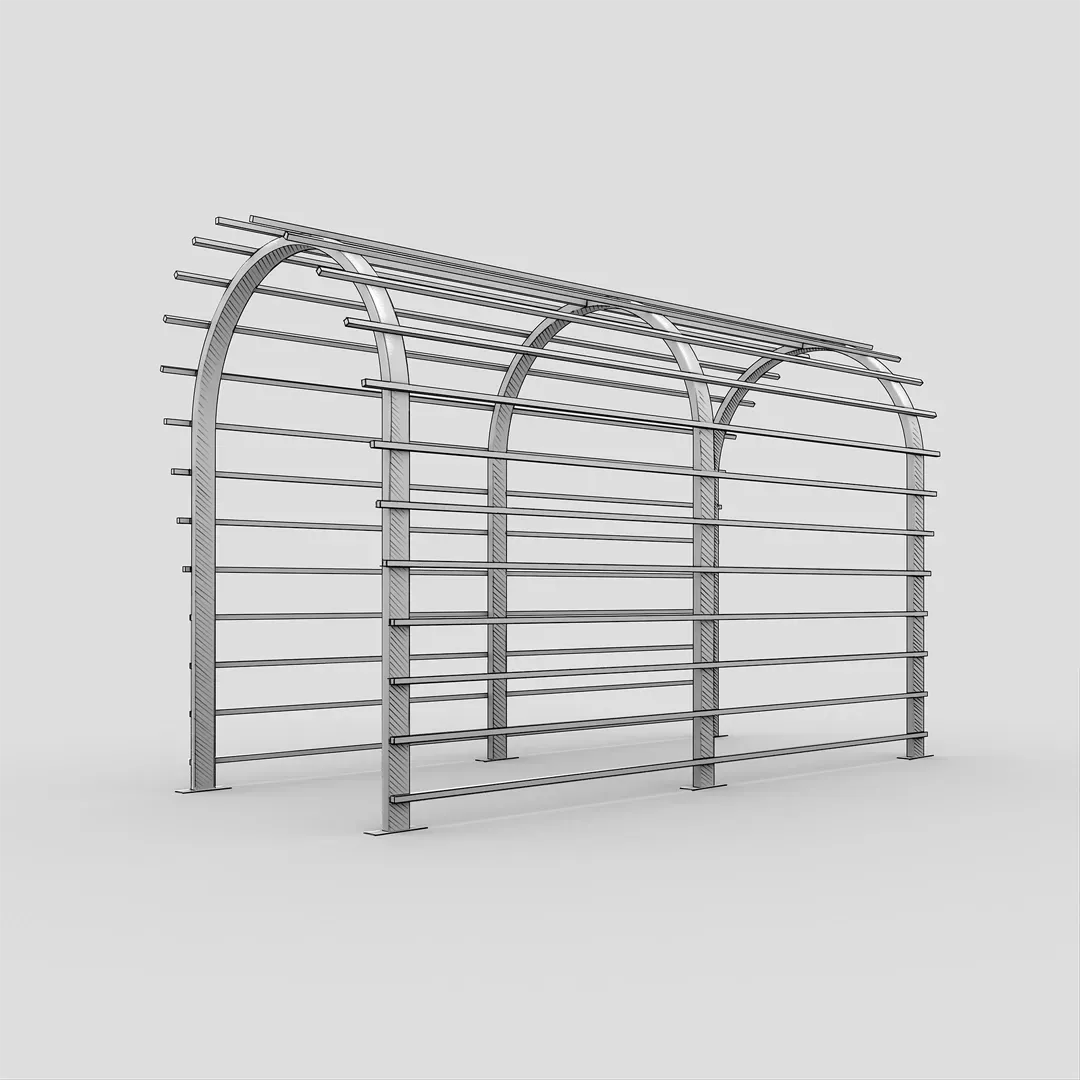
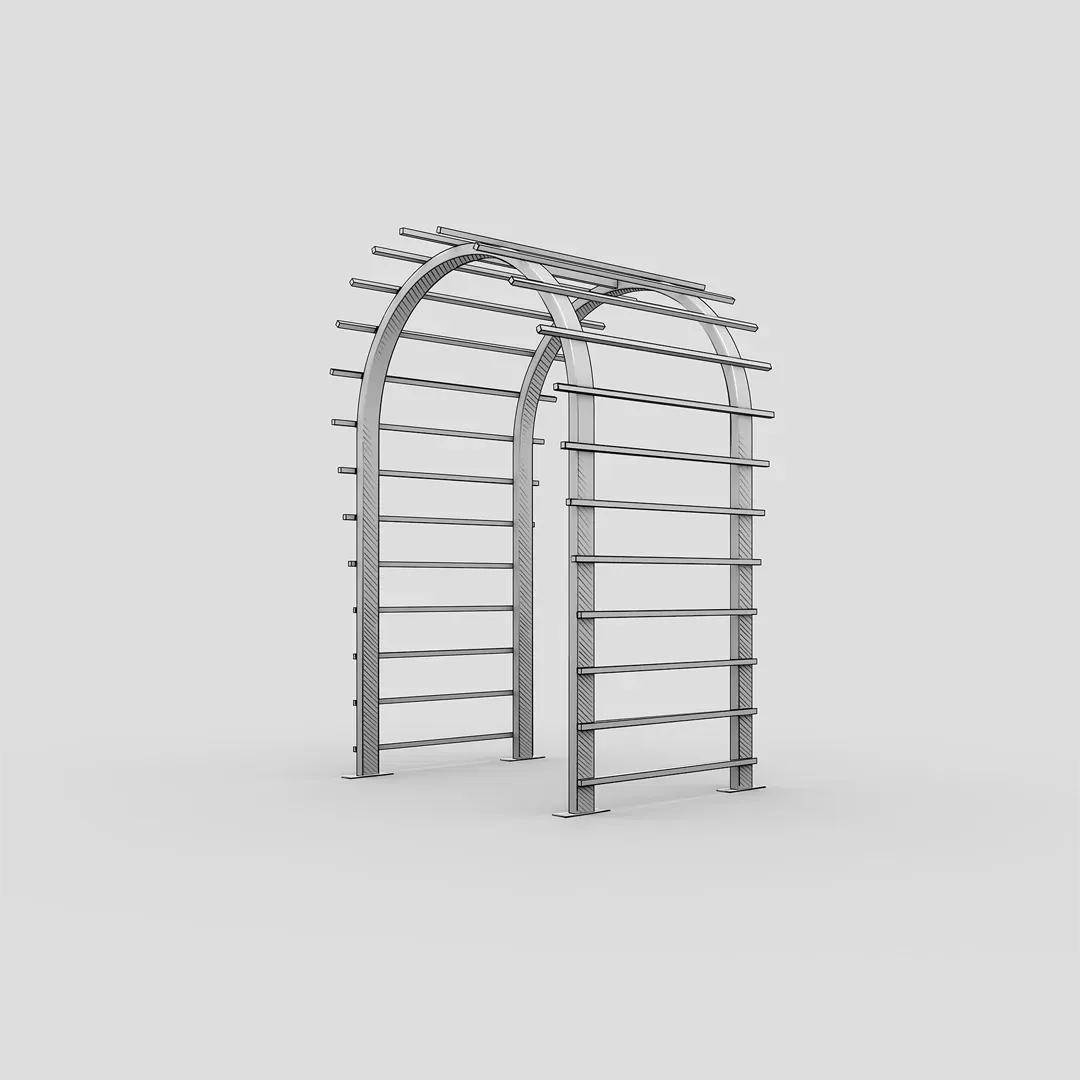
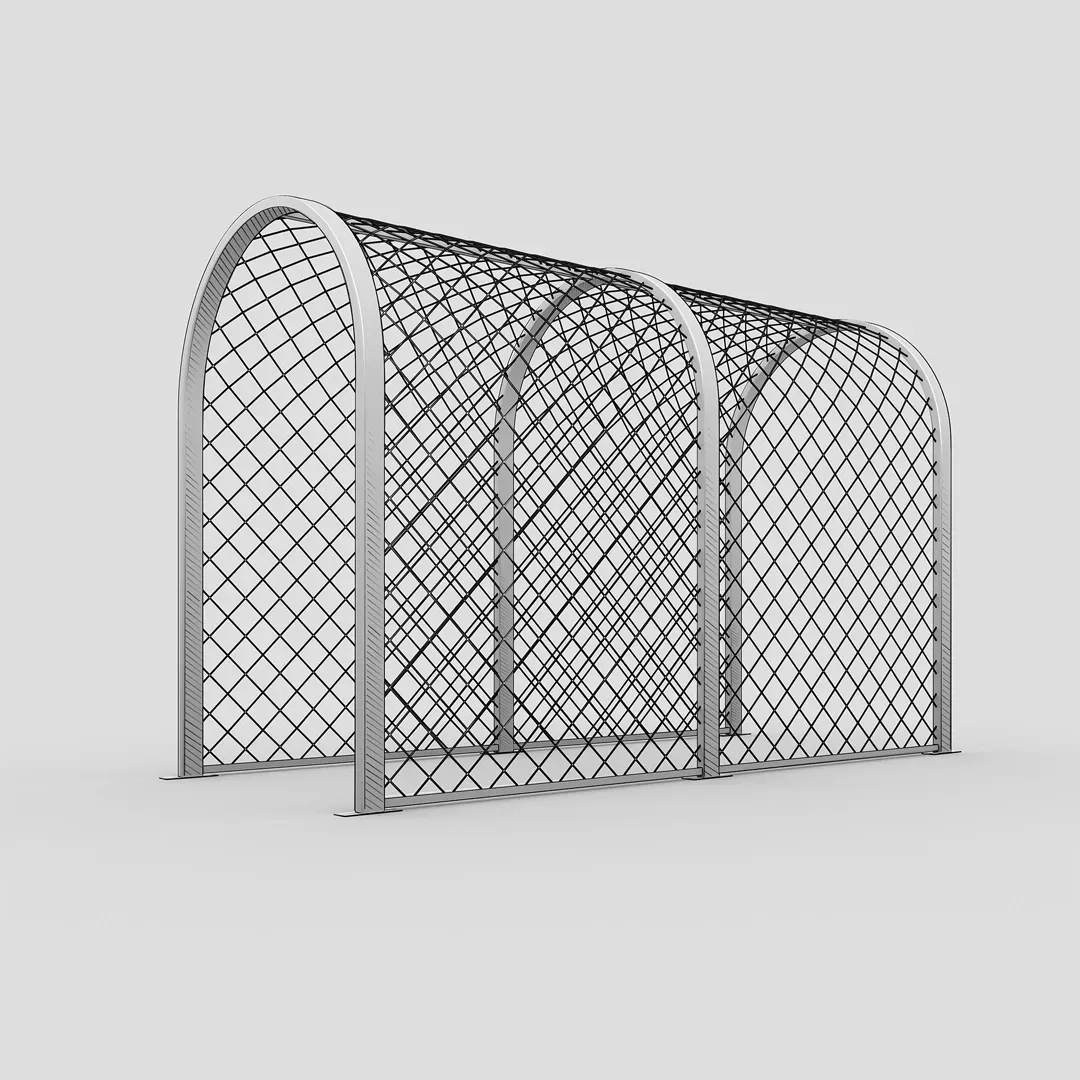
The Veranda Arch
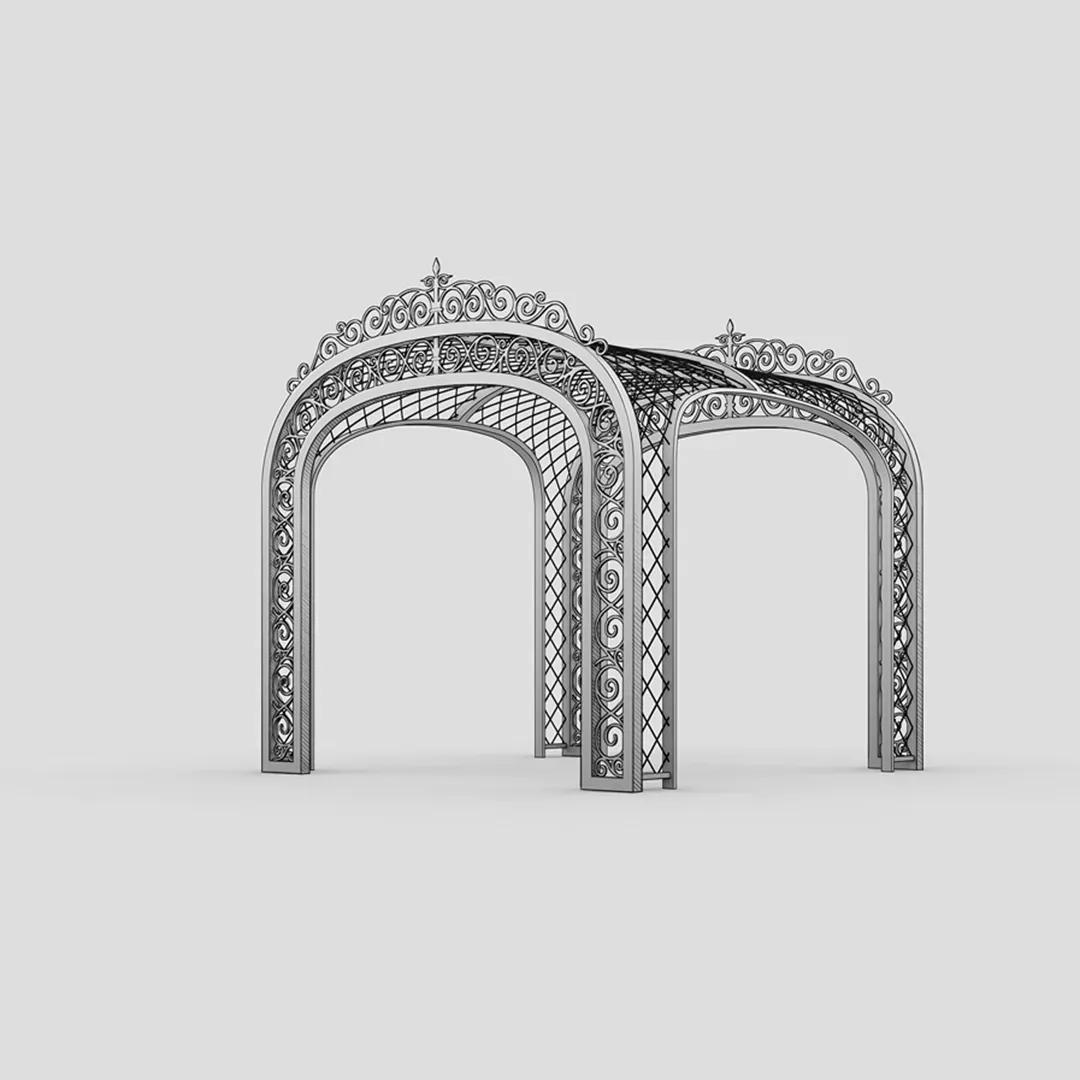
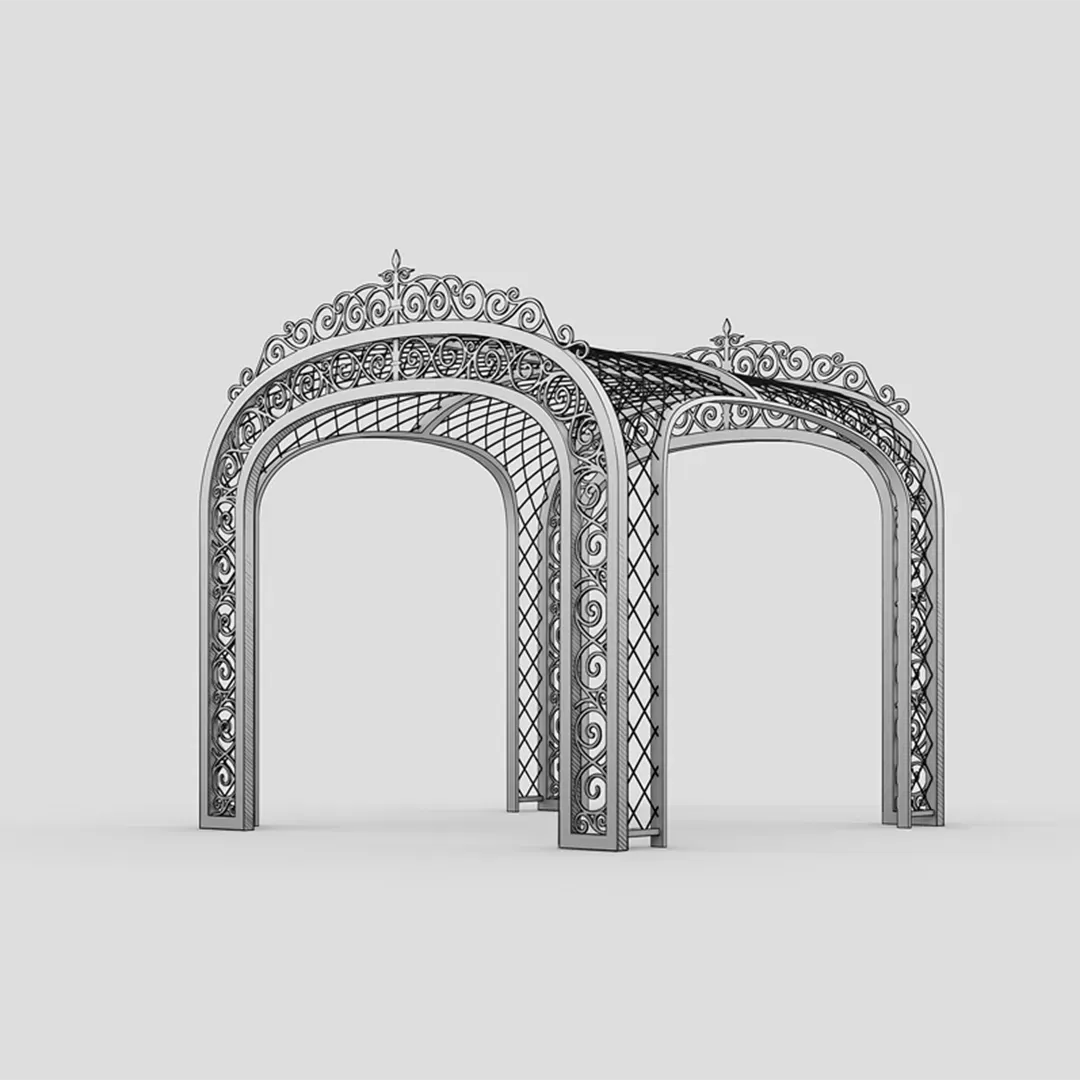
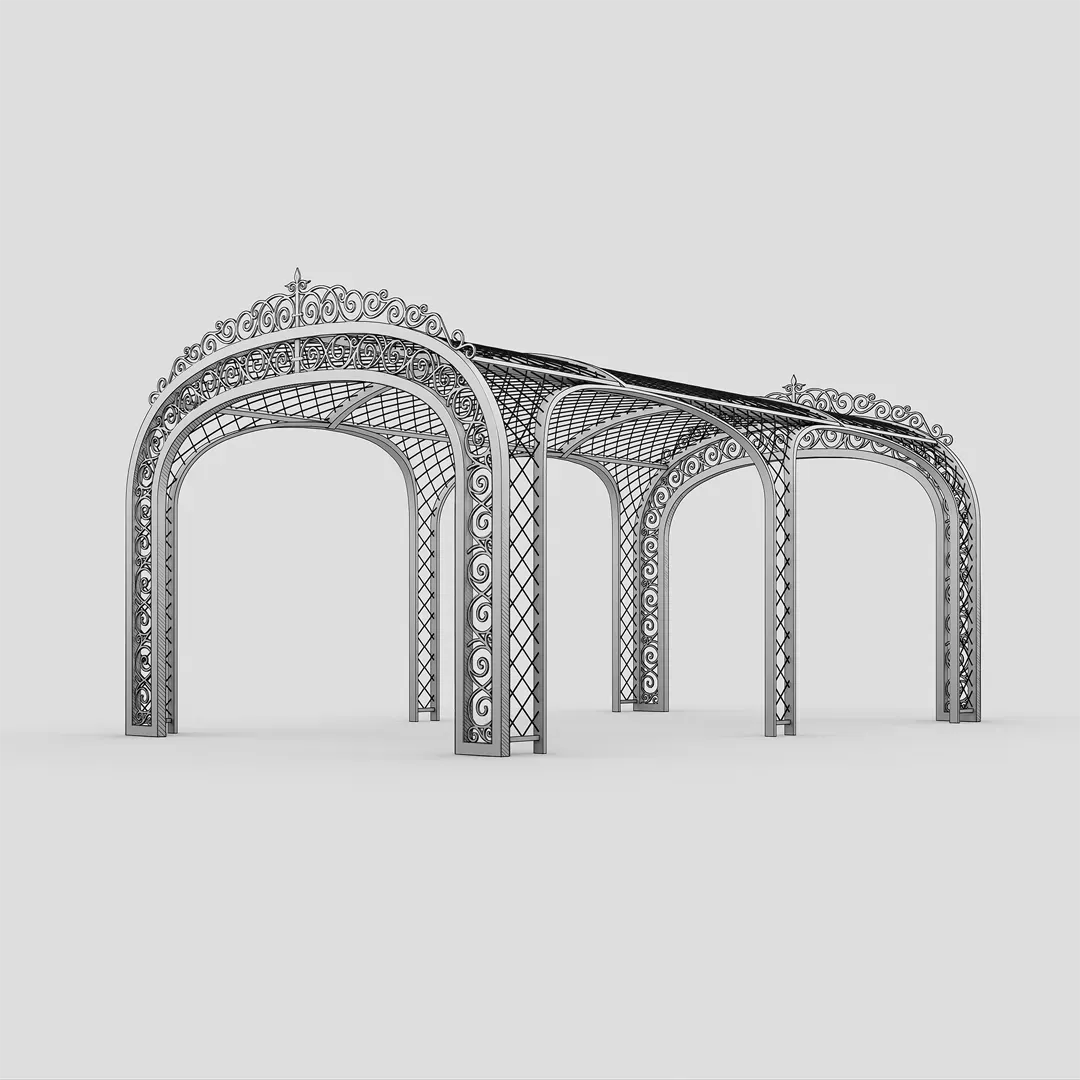
The Floral Gazebo
Expert Advice
Winter-Proofing Commercial Conservatories: Professional Techniques For Venue Comfort
An under-engineered glass venue in winter is miserable—cold drafts, condensation rivers down the glass, and a heating system that runs continuously and still can’t maintain comfort. Alpine Designs steel-and-glass structures are winter-proofed by design, not by after-the-fact remediation.
What winter actually does to a glass venue
Winter creates simultaneous thermal challenges unique to glass construction. Outdoor temperatures 50–80°F below interior setpoints drive massive heat loss through glazing. Cold glass surfaces create radiant cold effects in adjacent occupied zones. Condensation forms on glass perimeters and frames. Snow loads test structural capacity. Ice dams can block drainage and cause water infiltration.
Each of these challenges requires specific engineering responses. A venue that addresses all of them is genuinely winter-proof. A venue that addresses some but not others will fail in winter—not all at once, but predictably and repeatedly.
For the full framework, see our guide on advanced climate systems: premium cooling for commercial glass venues.
This builds on our comprehensive overview of preventing the greenhouse oven effect: ventilation as revenue protection for glass venues.
Glazing performance: the thermal foundation
For a deeper look at a commercial conservatory investment guide, review our detailed guide.
Winter performance begins with glazing specification. Alpine Designs specifies triple-pane Low-E units with argon fill achieving U-values of 0.22–0.28 BTU/hr·ft·°F—compared to 0.48–0.50 for standard double-pane units. This 50%+ improvement in thermal resistance cuts heat loss proportionally.
Low-E coatings on interior glass surfaces reflect radiant heat from the heated interior back into the space, reducing the effective temperature gradient that drives heat loss. Warm-edge spacers prevent cold bridging at glass unit perimeters—eliminating the cold band that causes condensation and discomfort at glass edges.
Perimeter heating: the comfort layer
Even with high-performance glazing, large glass surfaces in extreme cold create perceptible radiant cold effects within 6–8 feet. Warm-air curtains, convective perimeter heaters, or radiant floor heating at glazed perimeters are non-negotiable for comfort in cold-climate venues.
Alpine Designs sizes perimeter heating based on local design winter temperature and glazing U-values. Heating output targets a glass surface temperature above 55°F—warm enough to eliminate radiant cold effects and prevent condensation. Undersized perimeter heat creates persistent cold zones that no amount of central HVAC can remedy.
Air sealing: the infiltration battle
Air infiltration is the enemy of winter comfort in glass venues. Cold air infiltrating through poorly sealed joints at glazing perimeters, structural connections, and door surrounds creates local cold drafts that are nearly impossible to overcome with supplemental heating.
Alpine Designs specifies sealants, weatherstripping, and door hardware appropriate to the level of air tightness required for the climate. Blower door testing during construction verifies seal integrity before mechanical systems are commissioned—identifying infiltration points while they’re still accessible and inexpensive to address.
Snow load engineering
Structural capacity for snow loads is not optional in northern climates—it’s code-required. Alpine Designs structural designs are engineered for 30–40 psf ground snow loads with appropriate importance and roof shape factors applied per ASCE 7.
Beyond code minimum, Alpine Designs evaluates drift accumulation at structural transitions and adjacent walls, sliding snow loads from areas of higher elevation, and the additional loads from water ponded behind ice dams. These secondary load conditions are responsible for most snow-related structural failures in glass structures.
Roof drainage and ice dam prevention
Learn how leading operators approach cold-season revenue strategies.
Ice dams form when snowmelt refreezes at cold eaves before draining—creating ice blockages that back up water under glazing and into the structure. Prevention requires warm eave temperatures above 32°F throughout cold-weather periods.
Alpine Designs heat trace systems at gutters and downspouts prevent ice formation in drainage paths. Roof insulation design maintains roof surface temperatures above 32°F at drainage areas. These measures are less expensive than the water damage from a single ice dam event.
Door and entry winter design
For a deeper look at winter revenue capture, review our detailed guide.
Entry doors are the thermal Achilles heel of winter-operated venues. Every door opening allows cold exterior air to flood the heated interior, creating thermal shock for entering guests and spiking heating loads momentarily.
Explore how seasonal shading strategies for comfort can enhance your venue's performance.
Alpine Designs addresses this through three strategies: vestibule entry design that prevents simultaneous inner and outer door openings, heated floor mats at entry transition zones that warm guests’ feet immediately, and air curtain units above primary entry doors that create an invisible thermal barrier during high-traffic entry periods.
Pipe freeze protection
Water supply and drainage piping in or adjacent to glass venues in cold climates face freeze risk during equipment failures or extreme cold events. Frozen and burst pipes cause catastrophic water damage—damages that can close a venue for weeks.
Alpine Designs designs piping systems with freeze protection in mind: routing water lines through heated interiors wherever possible, specifying heat trace on exterior-adjacent pipes, and installing automatic shutoff valves that isolate exterior piping when temperatures approach freezing. These protections pay for themselves the first time an equipment failure occurs on a cold night.
Backup heating systems
Primary heating system failures in mid-winter are not hypothetical—they happen. A glass venue with only one heat source is one equipment failure away from a catastrophic cold event. Alpine Designs specifies backup heating capacity for cold-climate venues: secondary heat pumps, electric resistance backup, or gas-fired emergency heaters capable of maintaining safe temperatures until primary systems are restored.
Backup systems are tested during commissioning and annually thereafter. Automatic switchover protocols activate backup heat at defined primary system failure conditions—without operator action and regardless of the time of day or night the failure occurs.
Winter performance verification
The proof of winter-proofing is performance during the actual winter—not during mild shoulder season commissioning. Alpine Designs recommends monitoring winter performance data during the first cold season: zone temperatures, heating system run times, energy consumption, and any comfort complaints.
First-winter performance data identifies any thermal weak points that design analysis may have missed. Minor adjustments, setpoint changes, perimeter heater additions, weatherstripping repairs, are inexpensive immediately after construction. The same fixes become expensive after several winters of wear.
Engineer winter in from the start
Winter-proofing is a design discipline, not a construction afterthought. The decisions that determine winter performance, glazing specification, perimeter heating design, air sealing, structural snow load capacity, are made at the beginning of design, not at the end.
Contact Alpine Designs to discuss cold-weather performance engineering for your commercial conservatory. Alpine Designs steel-and-glass structures are built to perform in winter as beautifully as they perform in every other season.
See also
Professional Maintenance Guide for Commercial Glass Venues
Commercial Conservatory Setup: A Professional Guide to Event Venue Design

The Material Difference
Precision in Strength, Perfection in Detail
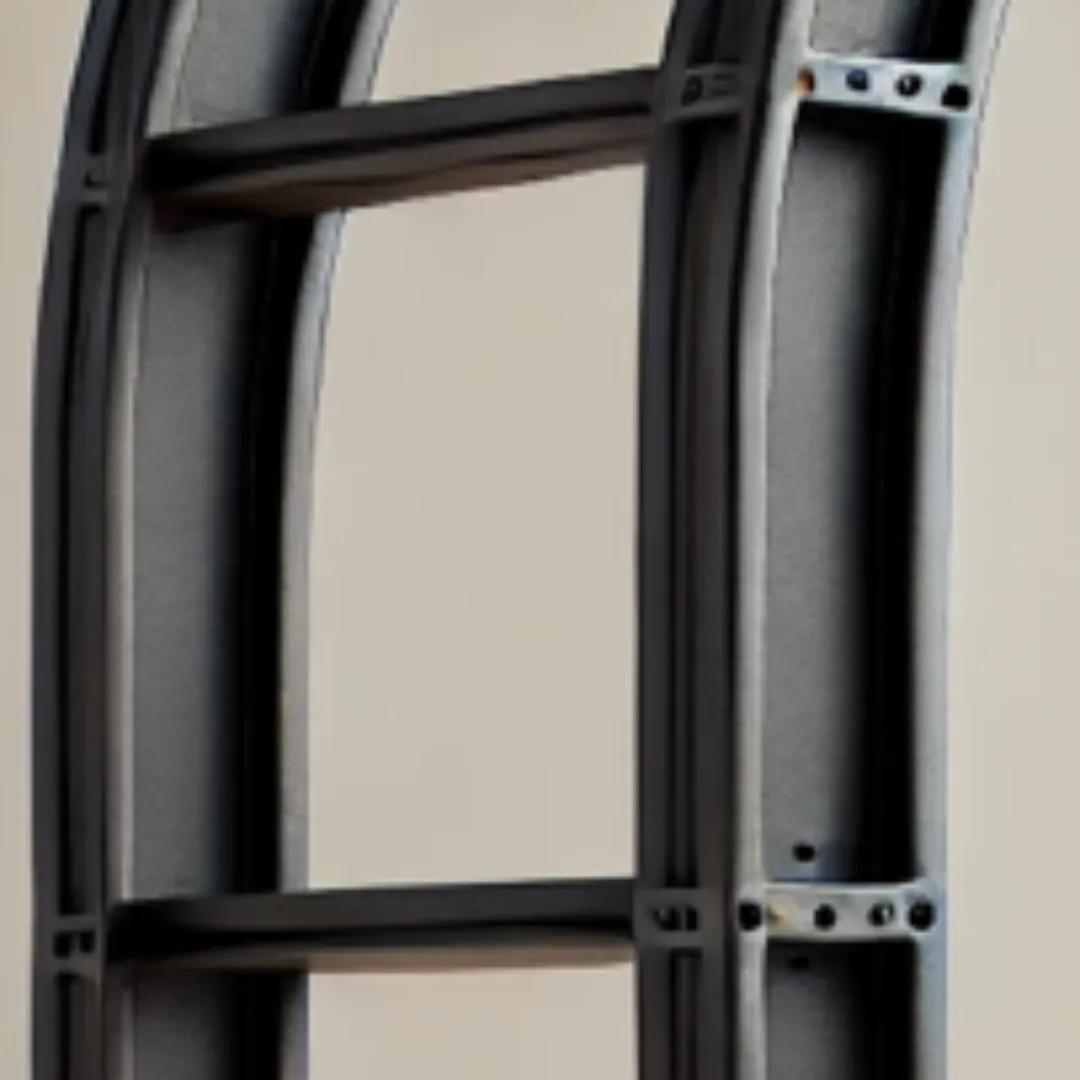
Our Structural Steel:
Engineered to exceed stringent industry standards, our structural steel is built for construction and engineering projects where strength, stability, and load-bearing capacity are paramount. Designed to withstand significant stress without bending or breaking, it ensures lasting durability and reliability.
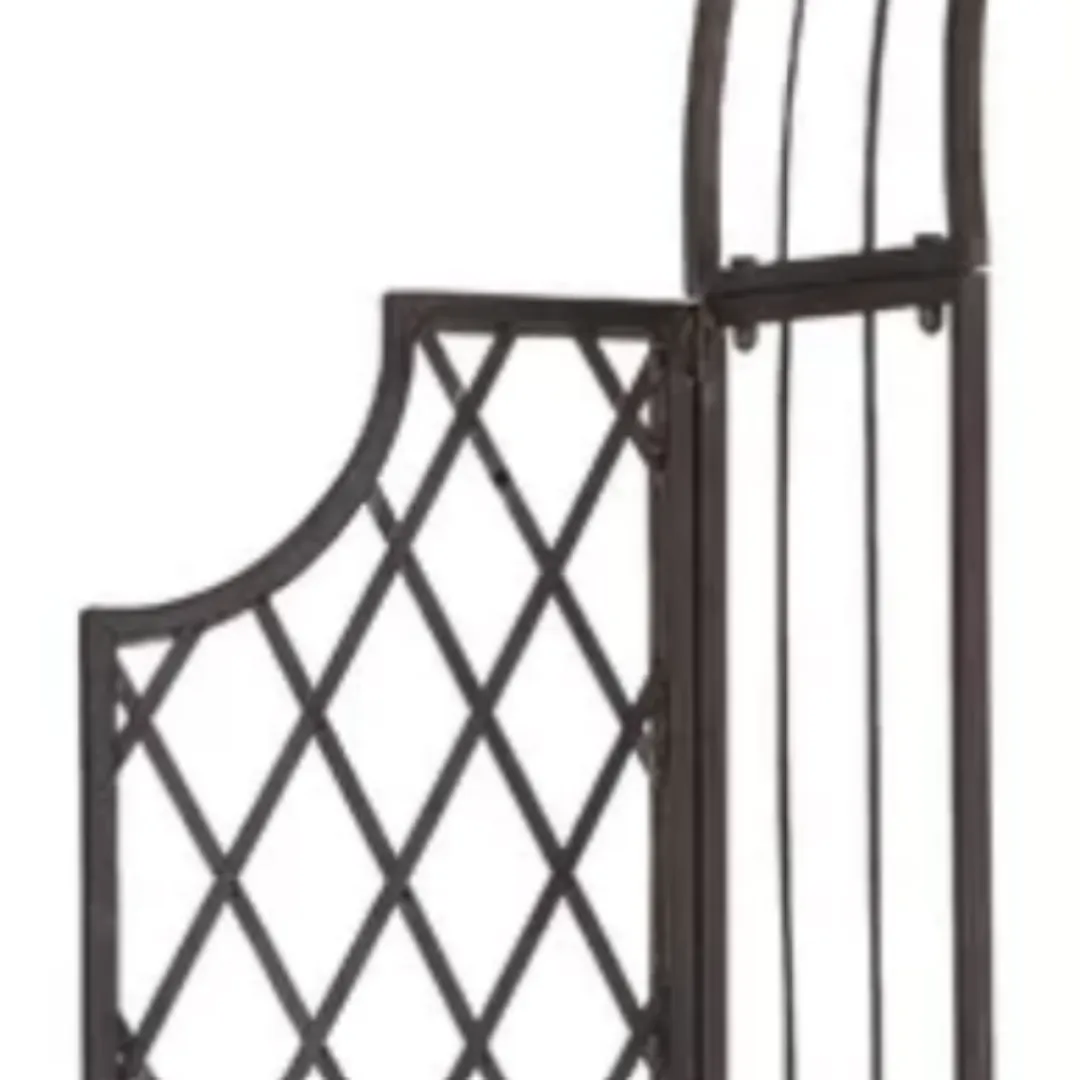
Other Brands:
Many competitors use thin, low-grade steel or lightweight metals like aluminum, which lack the resilience and strength needed to support heavy loads or endure harsh weather conditions.
Real Clients, Real Customization
The Kensington Heritage Greenhouse
Ethan's Kensington Heritage Greenhouse
from
Boston, Massachusetts
Common Questions
What Makes Our Greenhouses Unique?
At Steel Gardens, our greenhouses are crafted with premium materials, including reinforced glass, and feature exquisite designs with unparalleled customization options. Built for unmatched durability, aesthetics, and functionality, they are perfect for avid gardeners and so much more. Whether you use your greenhouse for gardening, as an elegant entertaining space, a creative studio, or a tranquil retreat, each design combines beauty and versatility to enhance your lifestyle and property.
What maintenance is required for an Steel Gardens greenhouse and how do I ensure optimal performance?
Alpine Greenhouses are incredibly low maintenance. Our programmable exhaust fans allow you to specify temperature and humidity settings, allowing for automated control of your environment. With the benefit of a steel roof, cleaning as needed of your glass glazing is all that is regularly needed to enjoy this stunning addition to your property.
Can I customize the design and size of my greenhouse?
Yes, our greenhouses are fully customizable to suit your unique vision and requirements. Our design team works closely with you to assess your personal intentions for use, whether it’s gardening, entertaining, or creating a relaxing retreat. We also take into account your color preferences, size needs, and property specifications to ensure the greenhouse integrates seamlessly with your outdoor space. With a wide range of sizes, styles, materials, and finishes available, we help you create a bespoke greenhouse that not only complements your property but also fulfills your lifestyle goals.
What are the standard installation costs for a custom greenhouse?
The installation and site preparation costs for a custom greenhouse typically align with the model's material costs. These expenses reflect the skilled labor and precision required to properly assemble the structure, integrate custom features, and meet local code requirements. Site preparation—such as leveling, foundation work, and drainage—can also influence the overall cost based on the property’s specific needs and design requirements.
What factors should I consider when planning and designing a custom greenhouse?
Design with confidence - Get Our Greenhouse Guide
Designing a custom greenhouse is an exciting opportunity to create a functional and beautiful space tailored to your needs. Here are some important considerations to keep in mind:
What is your primary goal?
Will your greenhouse be used for gardening, entertaining, relaxation, or as a multi-purpose space? Understanding your intentions will guide key design decisions, such as size, layout, and features.
Where will the greenhouse be placed?
Choose a location that maximizes sunlight exposure, typically a south-facing position. Consider factors like wind exposure, drainage, and accessibility.
How does it fit into your landscape?
Ensure the greenhouse complements the style and layout of your property for seamless integration.
What size works best for your needs?
The greenhouse should be large enough for its intended purpose but proportionate to your property. Consider future uses to avoid outgrowing the space.
What aesthetic appeals to you?
Choose a design style that complements your home and personal taste, whether it’s modern, Victorian, Colonial, or something else.
Customization options:
Explore options like decorative ironwork, custom colors, roof profiles, or unique window designs to make your greenhouse one-of-a-kind.
What type of glazing is ideal?
Options include single-pane tempered glass for aesthetics or double-pane glass with Low-E coatings for improved insulation and energy efficiency.
Thermal performance:
Consider insulated foundations or climate battery systems for year-round temperature regulation.
How will you maintain optimal growing conditions?
Incorporate features like heating, cooling, ventilation, and humidity control to create the ideal environment for plants and people.
What foundation will support your greenhouse?
Options range from simple ground screws to advanced insulated foundations, depending on thermal needs and site conditions. Ensure proper drainage to prevent water issues.
What materials best suit your needs?
High-quality materials like aluminum, steel, and reinforced glass ensure longevity and low maintenance.
Do you need electricity?
Plan for lighting, fans, and other electrical components to enhance usability, especially for evening use or winter gardening.
How Do Our Greenhouses Manage Climate Control?
We believe greenhouses should be optimized for many uses, not simply high production gardening. In comparison to glass or polycarbonate roofed greenhouses which can be far too hot to enjoy, our models significantly reduce heat gain while still providing an ample amount of sunlight for your gardening interests. Maintaining consistent temperature controls is a priority for those interested in creating an environment comfortable for any number of activities.
How can my greenhouse provide a valuable return on investment?
We believe greenhouses should be optimized for many uses, not simply high production gardening. In comparison to glass or polycarbonate roofed greenhouses which can be far too hot to enjoy, our models significantly reduce heat gain while still providing an ample amount of sunlight for your gardening interests. Maintaining consistent temperature controls is a priority for those interested in creating an environment comfortable for any number of activities.
How does Steel Gardens assist with permits?
We believe greenhouses should be optimized for many uses, not simply high production gardening. In comparison to glass or polycarbonate roofed greenhouses which can be far too hot to enjoy, our models significantly reduce heat gain while still providing an ample amount of sunlight for your gardening interests. Maintaining consistent temperature controls is a priority for those interested in creating an environment comfortable for any number of activities.
What is the Lowest Maintenance Roof Option?
We believe greenhouses should be optimized for many uses, not simply high production gardening. In comparison to glass or polycarbonate roofed greenhouses which can be far too hot to enjoy, our models significantly reduce heat gain while still providing an ample amount of sunlight for your gardening interests. Maintaining consistent temperature controls is a priority for those interested in creating an environment comfortable for any number of activities.
What type of Foundations do we recommend?
We believe greenhouses should be optimized for many uses, not simply high production gardening. In comparison to glass or polycarbonate roofed greenhouses which can be far too hot to enjoy, our models significantly reduce heat gain while still providing an ample amount of sunlight for your gardening interests. Maintaining consistent temperature controls is a priority for those interested in creating an environment comfortable for any number of activities.
Common Questions
What Makes Our Greenhouses Unique?
At Steel Gardens, our greenhouses are crafted with premium materials, including reinforced glass, and feature exquisite designs with unparalleled customization options. Built for unmatched durability, aesthetics, and functionality, they are perfect for avid gardeners and so much more. Whether you use your greenhouse for gardening, as an elegant entertaining space, a creative studio, or a tranquil retreat, each design combines beauty and versatility to enhance your lifestyle and property.
What maintenance is required for an Steel Gardens greenhouse and how do I ensure optimal performance?
Alpine Greenhouses are incredibly low maintenance. Our programmable exhaust fans allow you to specify temperature and humidity settings, allowing for automated control of your environment. With the benefit of a steel roof, cleaning as needed of your glass glazing is all that is regularly needed to enjoy this stunning addition to your property.
Can I customize the design and size of my greenhouse?
Yes, our greenhouses are fully customizable to suit your unique vision and requirements. Our design team works closely with you to assess your personal intentions for use, whether it’s gardening, entertaining, or creating a relaxing retreat. We also take into account your color preferences, size needs, and property specifications to ensure the greenhouse integrates seamlessly with your outdoor space. With a wide range of sizes, styles, materials, and finishes available, we help you create a bespoke greenhouse that not only complements your property but also fulfills your lifestyle goals.
What are the standard installation costs for a custom greenhouse?
The installation and site preparation costs for a custom greenhouse typically align with the model's material costs. These expenses reflect the skilled labor and precision required to properly assemble the structure, integrate custom features, and meet local code requirements. Site preparation—such as leveling, foundation work, and drainage—can also influence the overall cost based on the property’s specific needs and design requirements.
What factors should I consider when planning and designing a custom greenhouse?
Design with confidence - Get Our Greenhouse Planning Guide
Designing a custom greenhouse is an exciting opportunity to create a functional and beautiful space tailored to your needs. Here are some important considerations to keep in mind:
What is your primary goal?
Will your greenhouse be used for gardening, entertaining, relaxation, or as a multi-purpose space? Understanding your intentions will guide key design decisions, such as size, layout, and features.
Where will the greenhouse be placed?
Choose a location that maximizes sunlight exposure, typically a south-facing position. Consider factors like wind exposure, drainage, and accessibility.
How does it fit into your landscape?
Ensure the greenhouse complements the style and layout of your property for seamless integration.
What size works best for your needs?
The greenhouse should be large enough for its intended purpose but proportionate to your property. Consider future uses to avoid outgrowing the space.
What aesthetic appeals to you?
Choose a design style that complements your home and personal taste, whether it’s modern, Victorian, Colonial, or something else.
Customization options:
Explore options like decorative ironwork, custom colors, roof profiles, or unique window designs to make your greenhouse one-of-a-kind.
What type of glazing is ideal?
Options include single-pane tempered glass for aesthetics or double-pane glass with Low-E coatings for improved insulation and energy efficiency.
Thermal performance:
Consider insulated foundations or climate battery systems for year-round temperature regulation.
How will you maintain optimal growing conditions?
Incorporate features like heating, cooling, ventilation, and humidity control to create the ideal environment for plants and people.
What foundation will support your greenhouse?
Options range from simple ground screws to advanced insulated foundations, depending on thermal needs and site conditions. Ensure proper drainage to prevent water issues.
What materials best suit your needs?
High-quality materials like aluminum, steel, and reinforced glass ensure longevity and low maintenance.
Do you need electricity?
Plan for lighting, fans, and other electrical components to enhance usability, especially for evening use or winter gardening.
How Do Our Greenhouses Manage Climate Control?
We believe greenhouses should be optimized for many uses, not simply high production gardening. In comparison to glass or polycarbonate roofed greenhouses which can be far too hot to enjoy, our models significantly reduce heat gain while still providing an ample amount of sunlight for your gardening interests. Maintaining consistent temperature controls is a priority for those interested in creating an environment comfortable for any number of activities.
How can my greenhouse provide a valuable return on investment?
We believe greenhouses should be optimized for many uses, not simply high production gardening. In comparison to glass or polycarbonate roofed greenhouses which can be far too hot to enjoy, our models significantly reduce heat gain while still providing an ample amount of sunlight for your gardening interests. Maintaining consistent temperature controls is a priority for those interested in creating an environment comfortable for any number of activities.
How does Steel Gardens assist with permits?
We believe greenhouses should be optimized for many uses, not simply high production gardening. In comparison to glass or polycarbonate roofed greenhouses which can be far too hot to enjoy, our models significantly reduce heat gain while still providing an ample amount of sunlight for your gardening interests. Maintaining consistent temperature controls is a priority for those interested in creating an environment comfortable for any number of activities.
What is the Lowest Maintenance Roof Option?
We believe greenhouses should be optimized for many uses, not simply high production gardening. In comparison to glass or polycarbonate roofed greenhouses which can be far too hot to enjoy, our models significantly reduce heat gain while still providing an ample amount of sunlight for your gardening interests. Maintaining consistent temperature controls is a priority for those interested in creating an environment comfortable for any number of activities.
What type of Foundations do we recommend?
We believe greenhouses should be optimized for many uses, not simply high production gardening. In comparison to glass or polycarbonate roofed greenhouses which can be far too hot to enjoy, our models significantly reduce heat gain while still providing an ample amount of sunlight for your gardening interests. Maintaining consistent temperature controls is a priority for those interested in creating an environment comfortable for any number of activities.


Contact
Email Us
Schedule a Call with a Designer
Request a Personalized Quote
Stay Inspired. Stay Informed...
Be the first to experience our latest collections and design inspirations. Subscribe now and step into a world of refined living.
© COPYRIGHT 2025 • All Rights Reserved • Privacy Policy • Terms of Use
Digital Design and Management: Ally Digital
© COPYRIGHT 2025 • All Rights Reserved
Privacy Policy • Terms of Use
Digital Design and Management: Ally Digital