Steel Gardens
Every Detail, Designed for You
At Steel Gardens, we believe your outdoor space should be as refined and beautiful as the home it complements.
We specialize in bespoke greenhouses, gazebos, garden arches, and luxury outdoor furniture collections—each piece a masterpiece of design and durability.
Materials and Craftsmanship
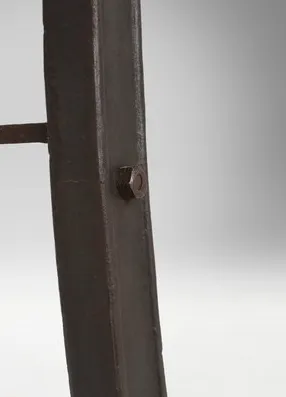
Sustainable Quality - That’s our philosophy.
At Steel Gardens, we believe in crafting pieces that aren’t just beautiful today—but
timeless for decades to come. Every structure we create is built from the highest-quality,
architectural-grade materials, chosen not only for their strength and performance, but for
their minimal environmental impact and unmatched longevity.
Our commitment to galvanized steel, tempered glass, and weather-resistant finishes
means our products can withstand the elements year after year, with little maintenance and
no compromise on elegance. It's a quiet rejection of disposable design—and a return to the
art of building things meant to be passed down.
When you invest in a Steel Garden structure, you’re investing in something more than a
space. You’re investing in a legacy.
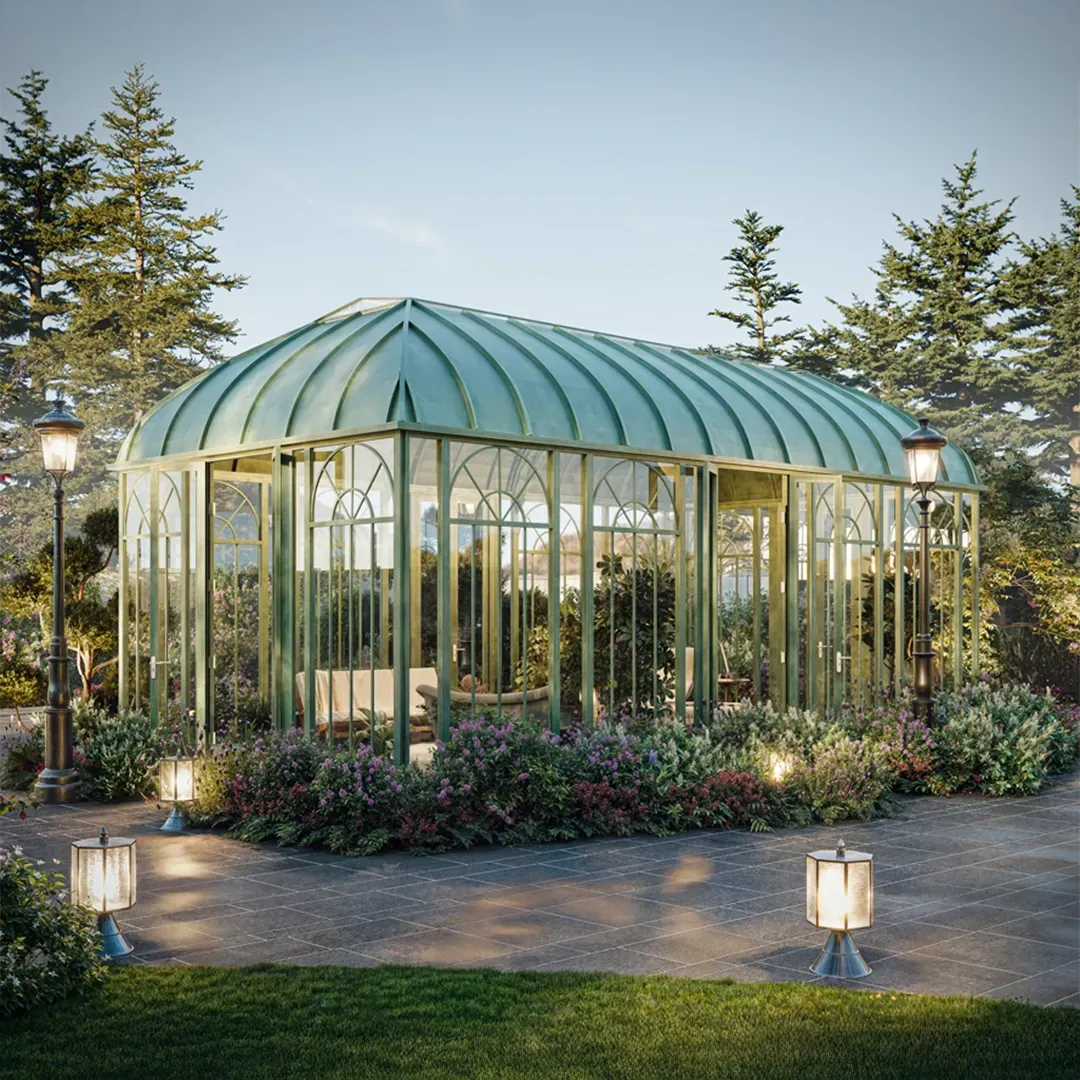
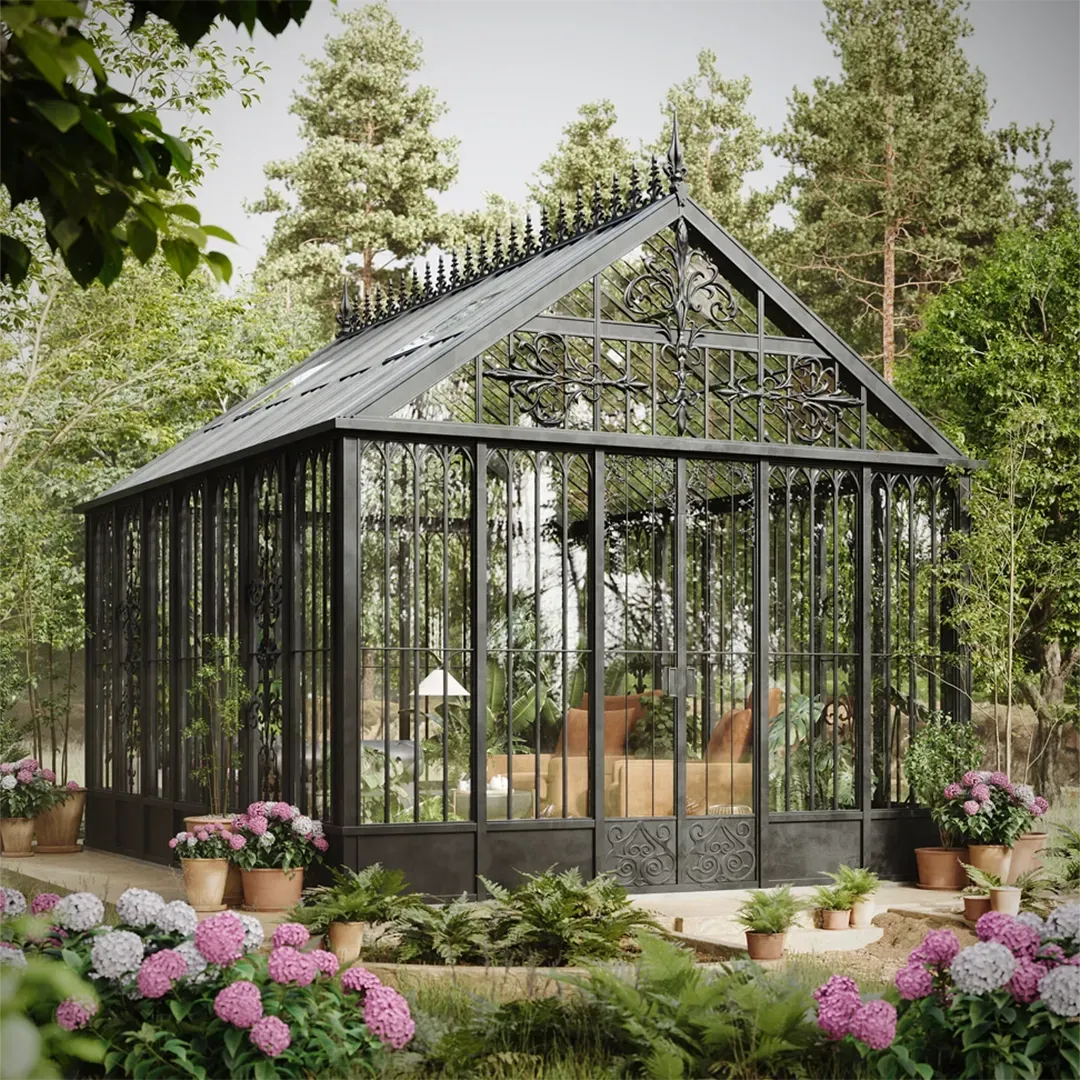
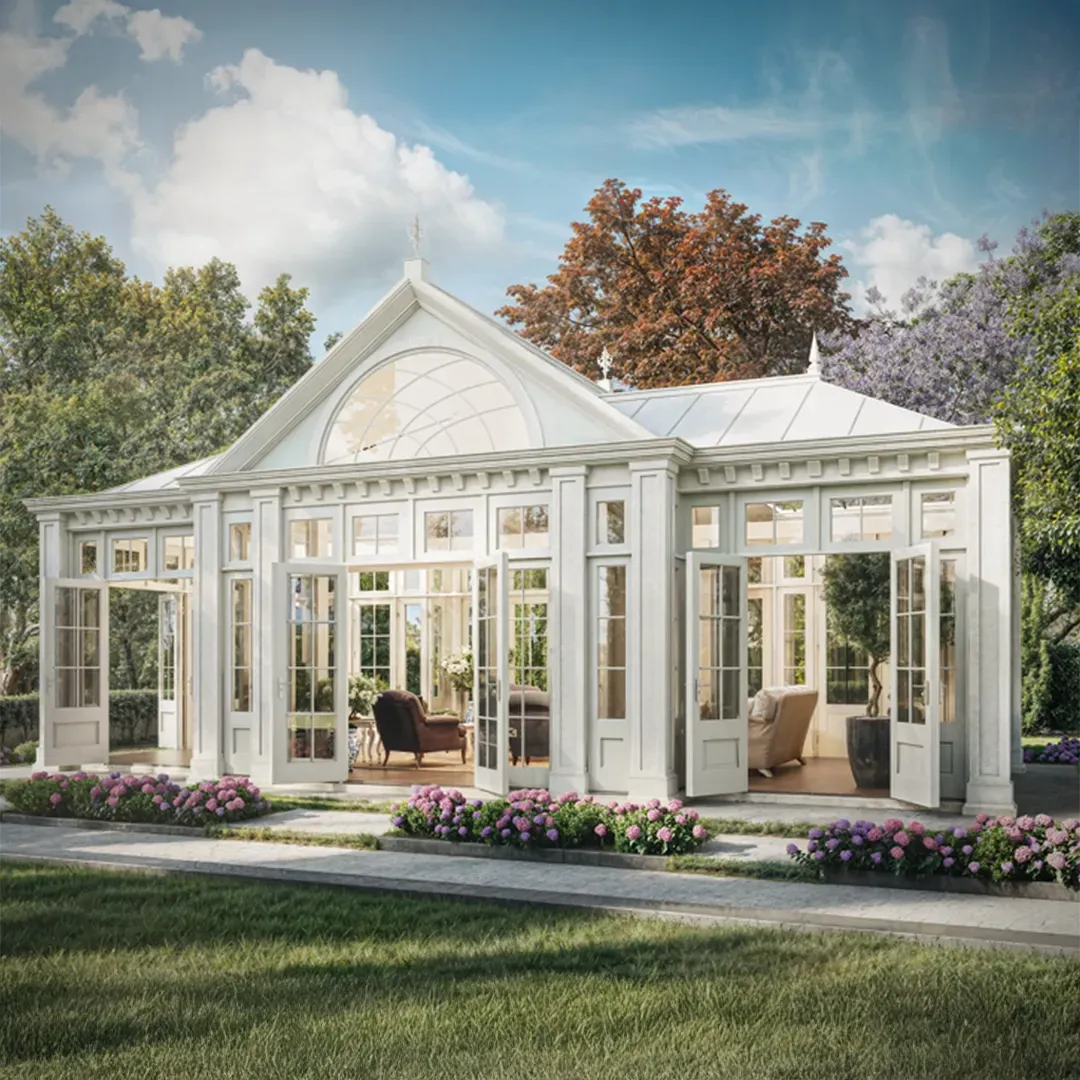
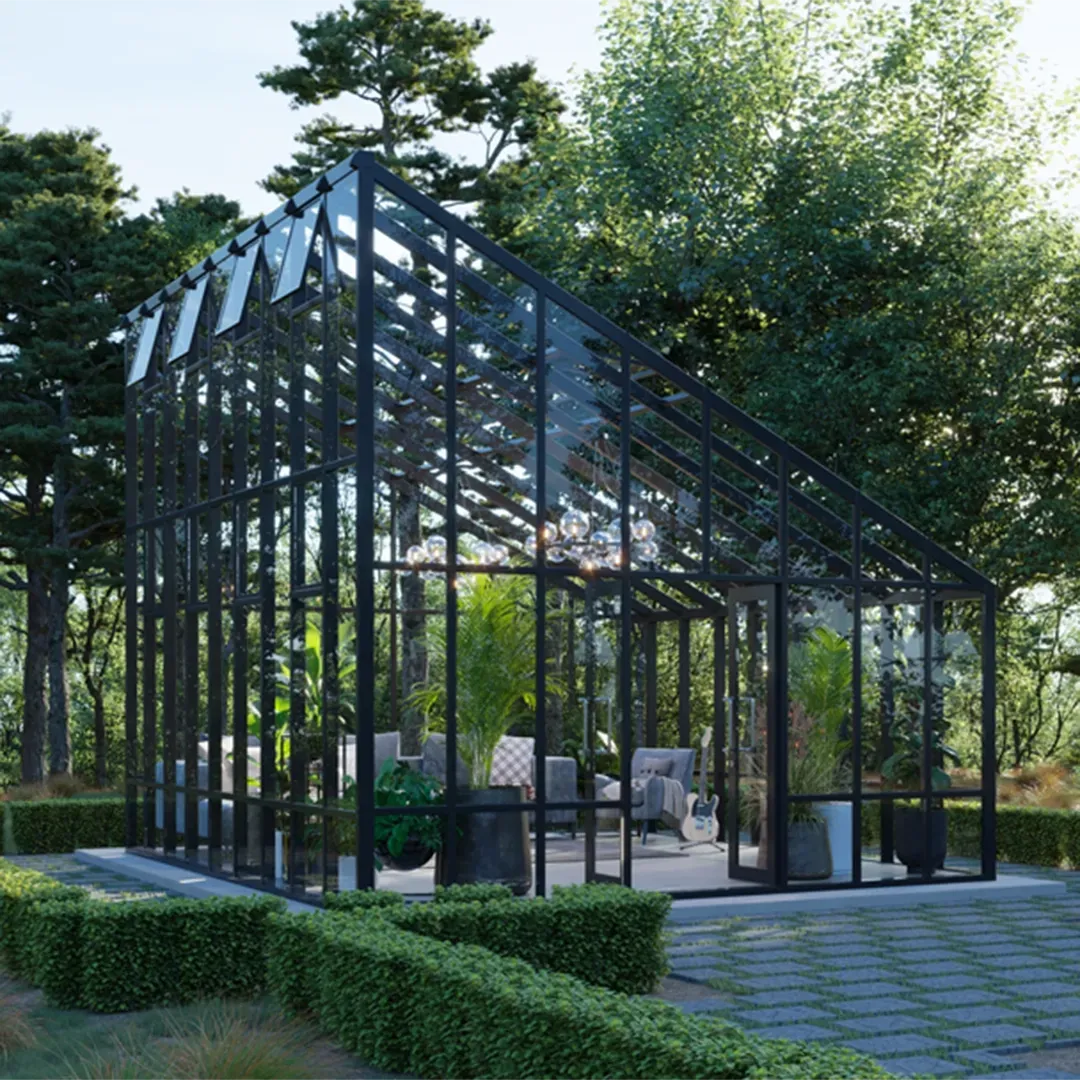
Bespoke Greenhouses
Crafted with Passion, Inspired by History
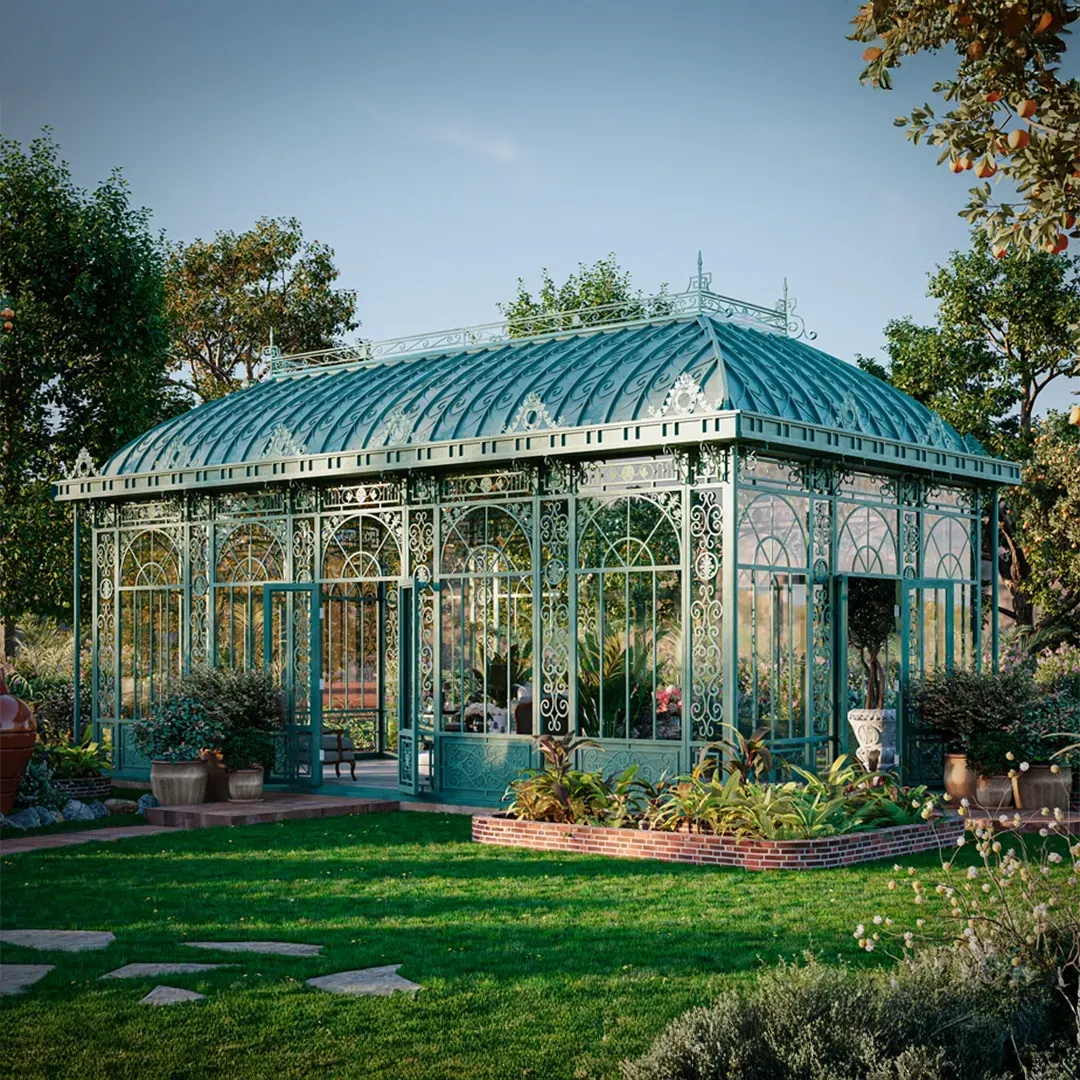
Our custom-designed steel and glass greenhouses unite precision engineering, architectural artistry, and your unique vision.
Collaborate with our expert design team to craft a bespoke structure tailored to your style, space, and functional needs—where beauty meets lasting durability.
Arches & Trellis
Where Quality Stands Apart
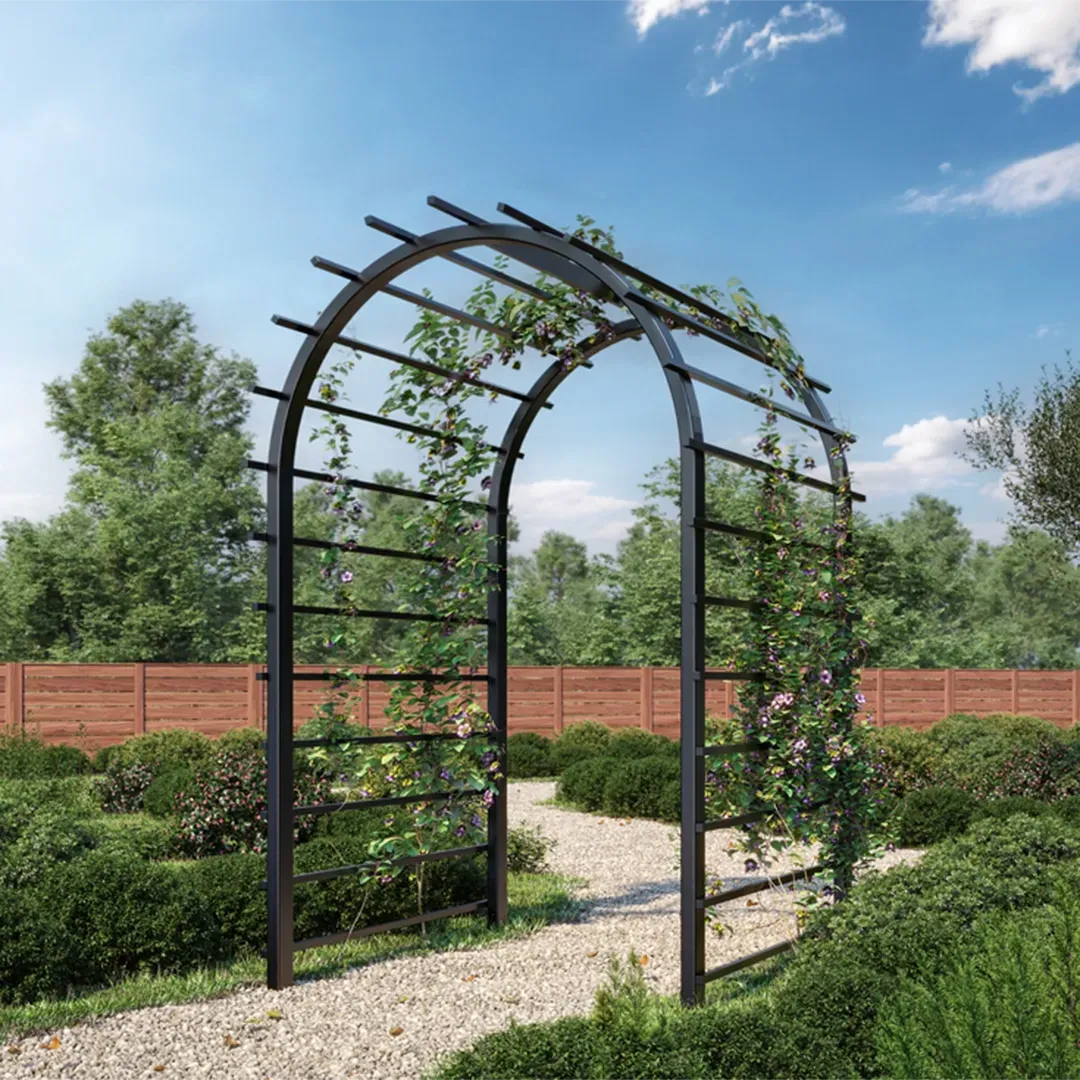
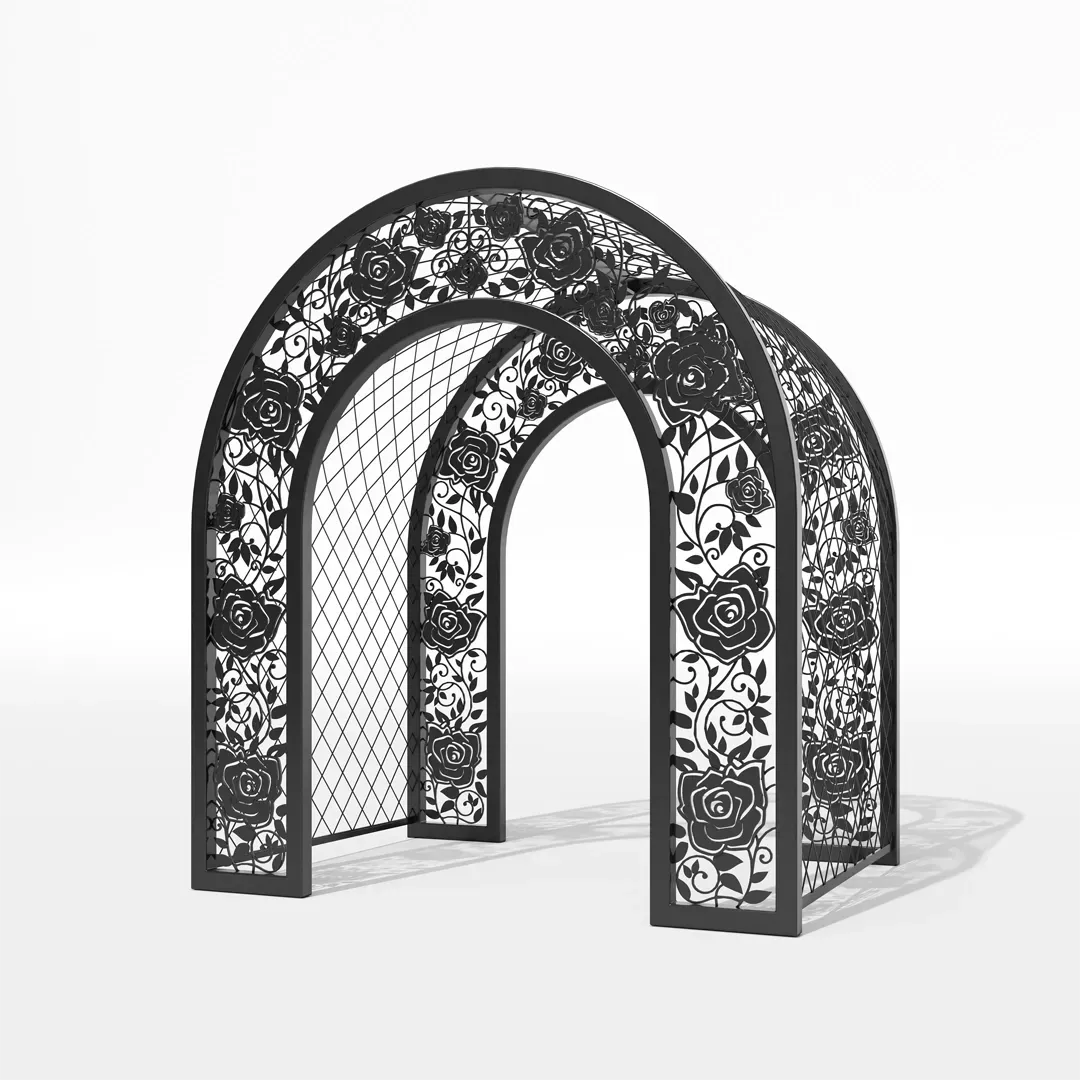
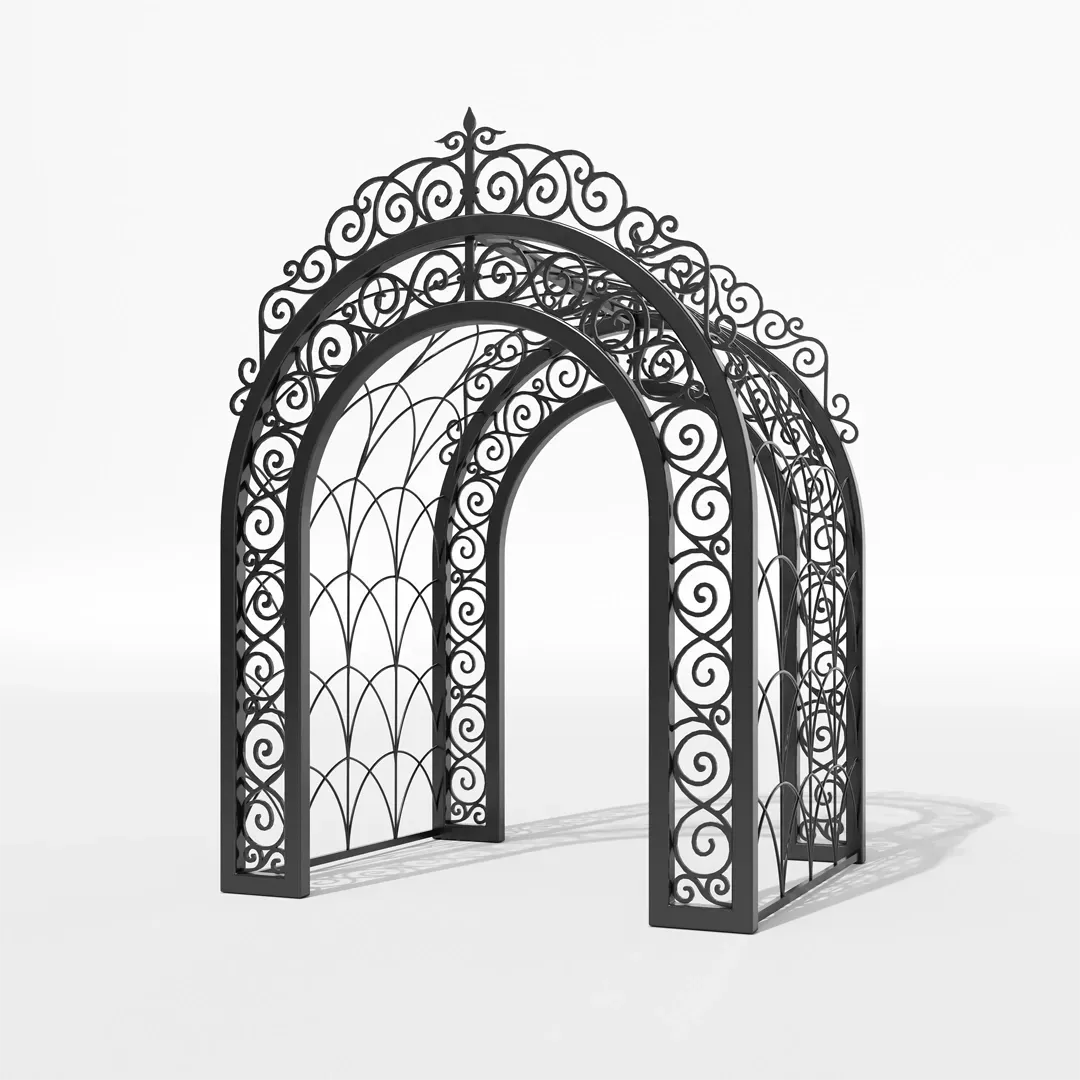
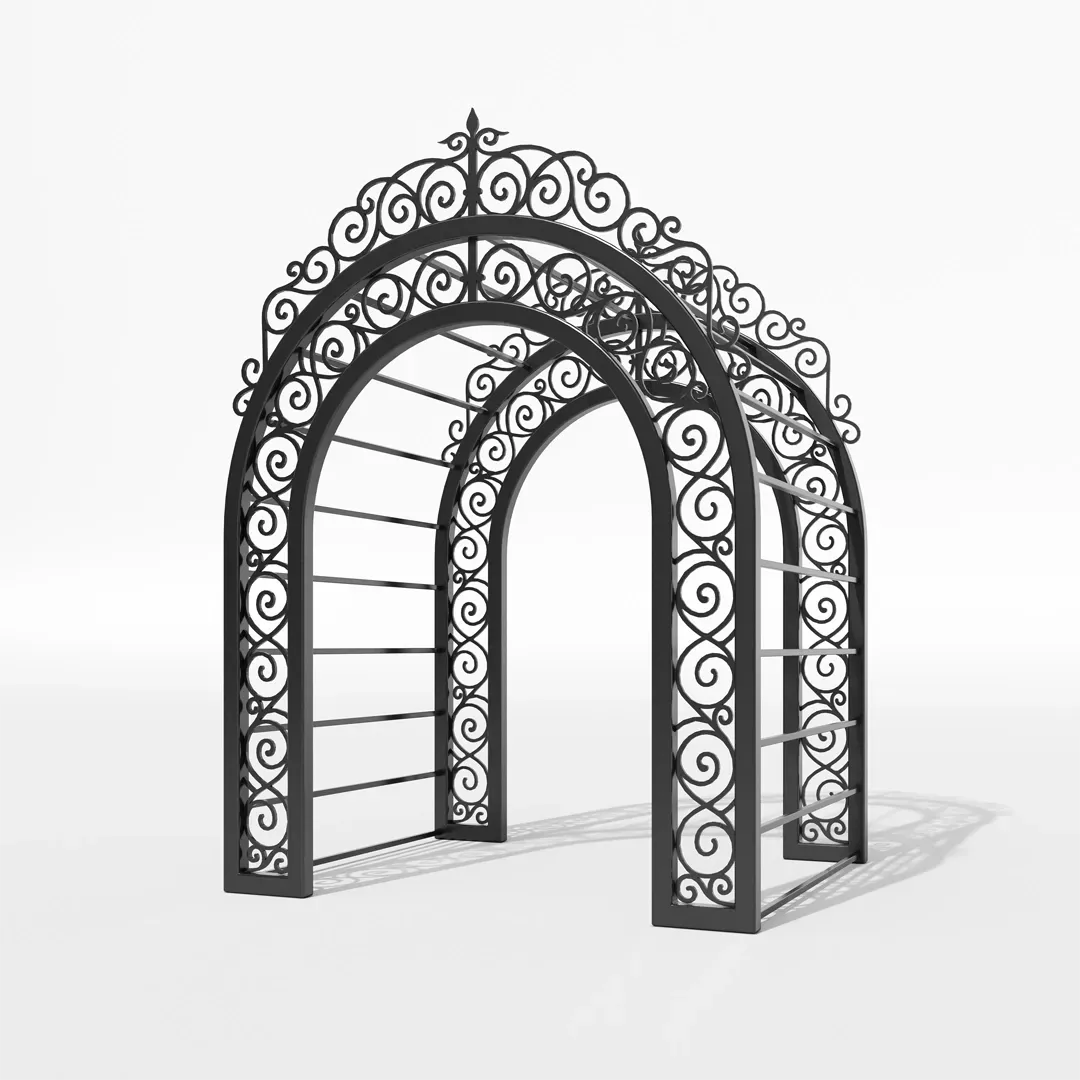
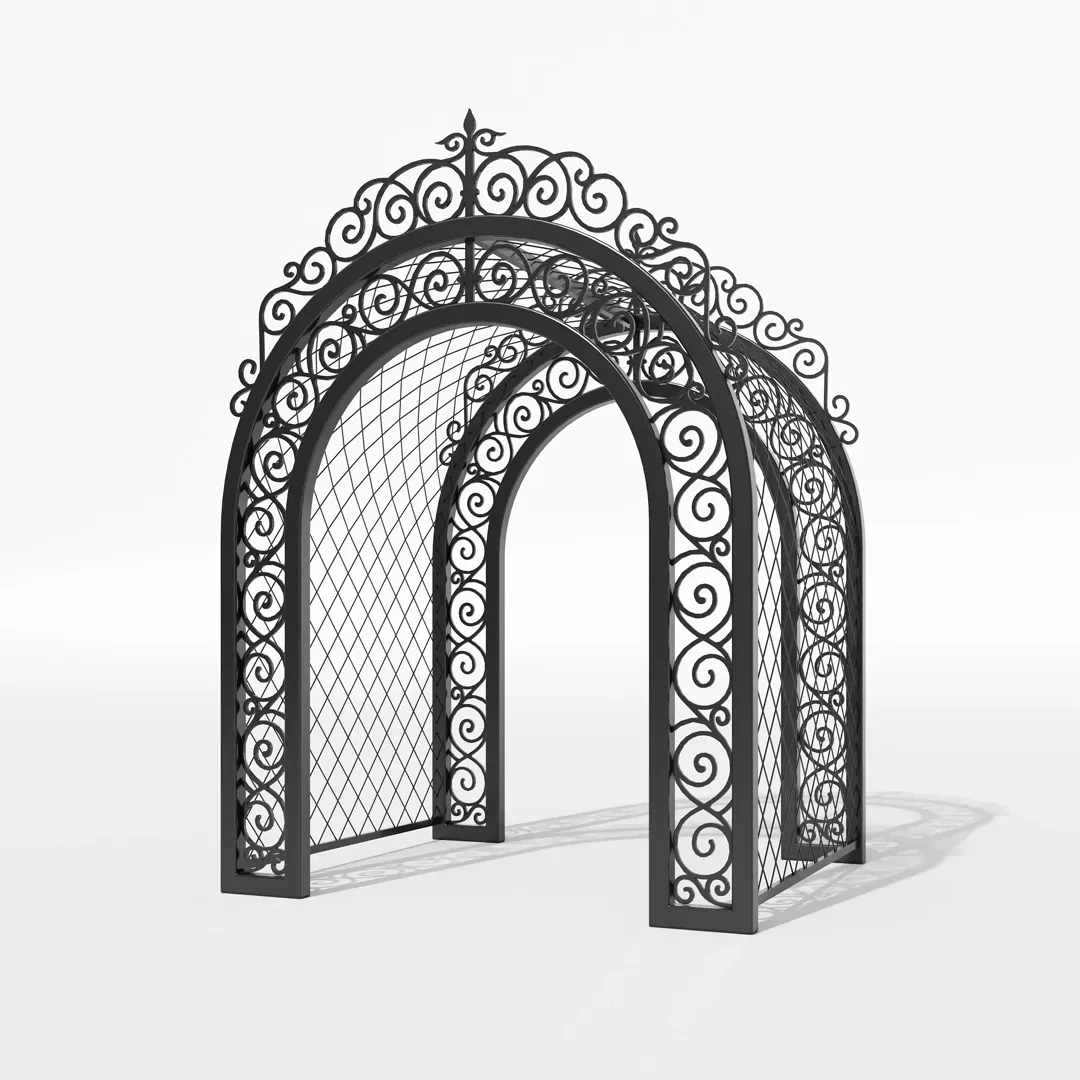
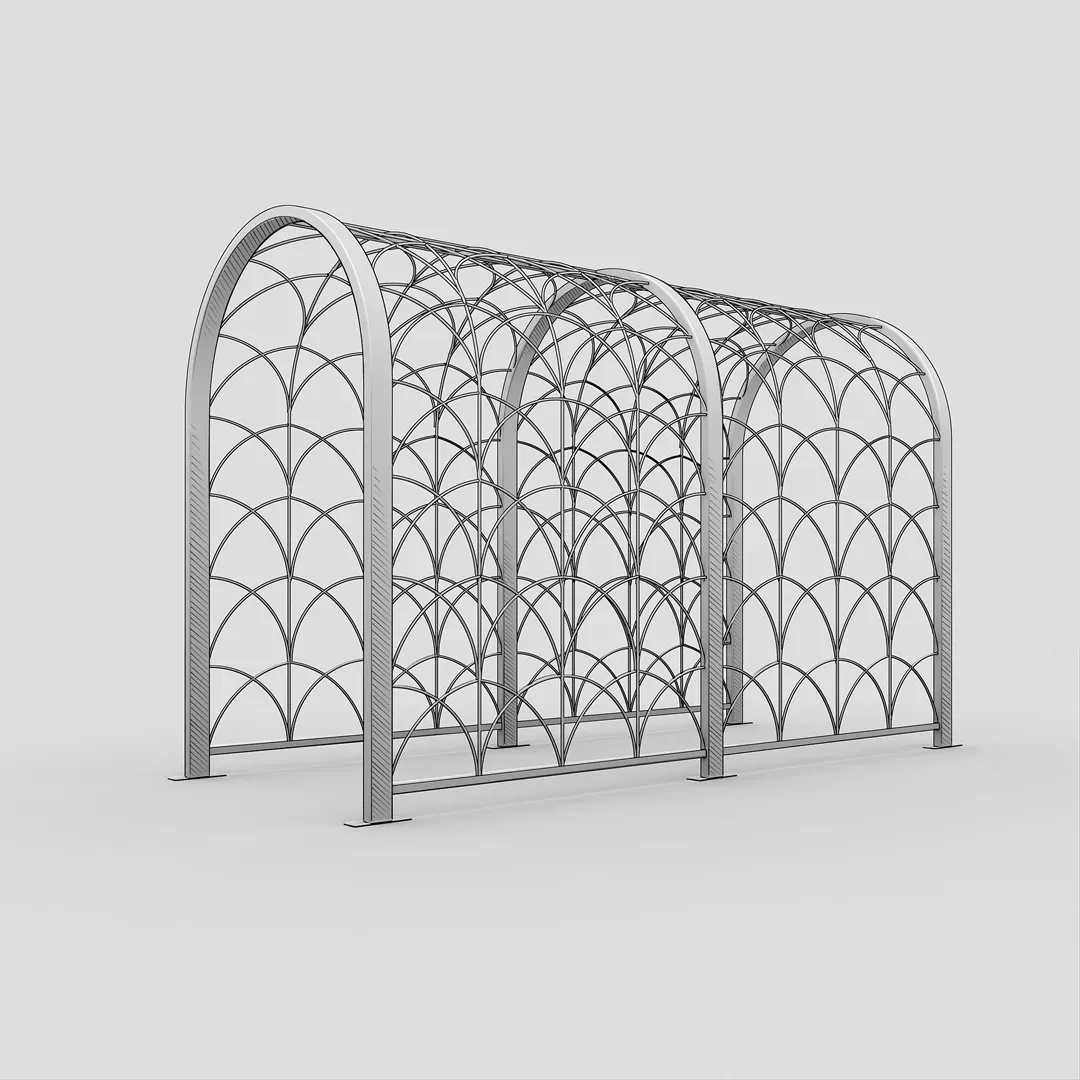
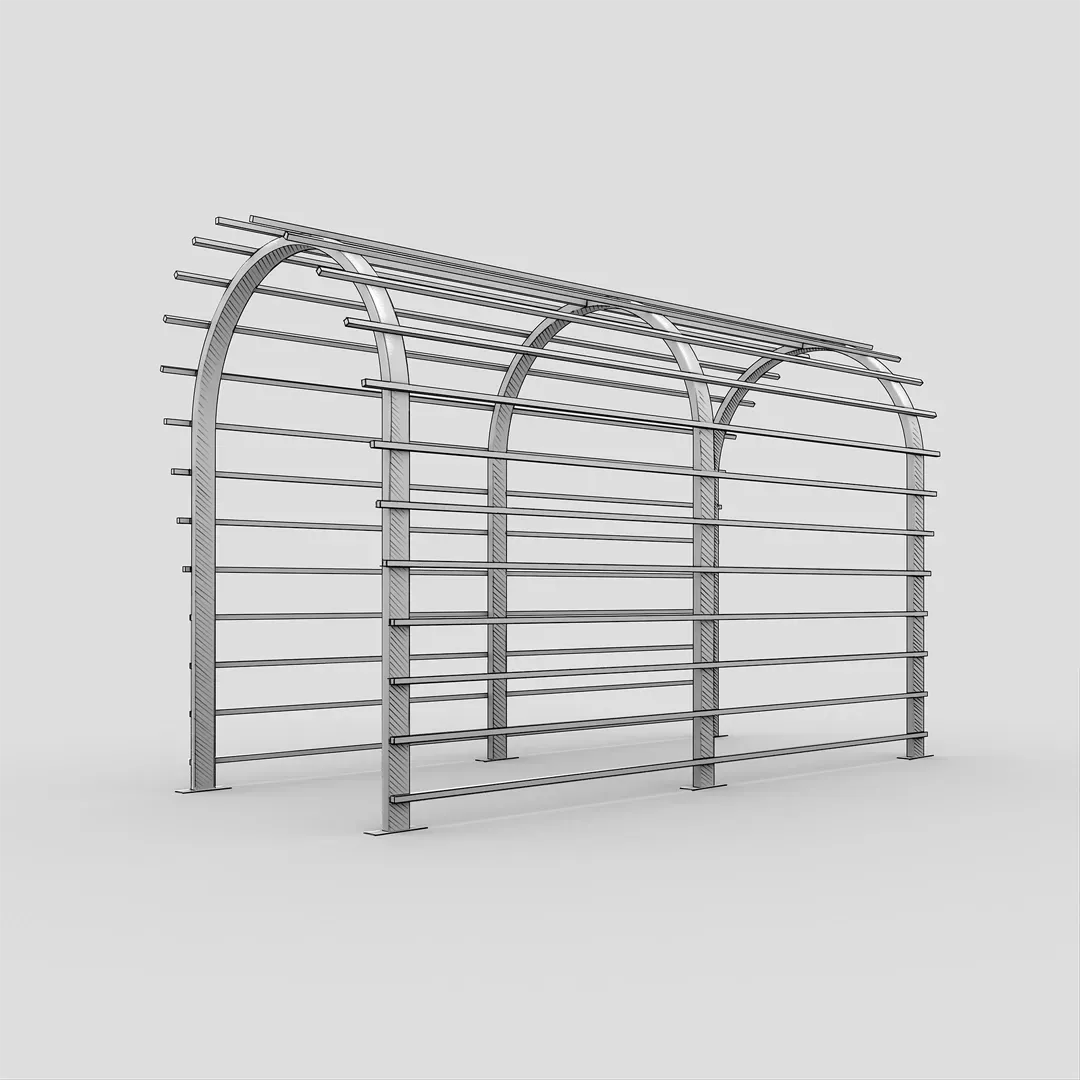
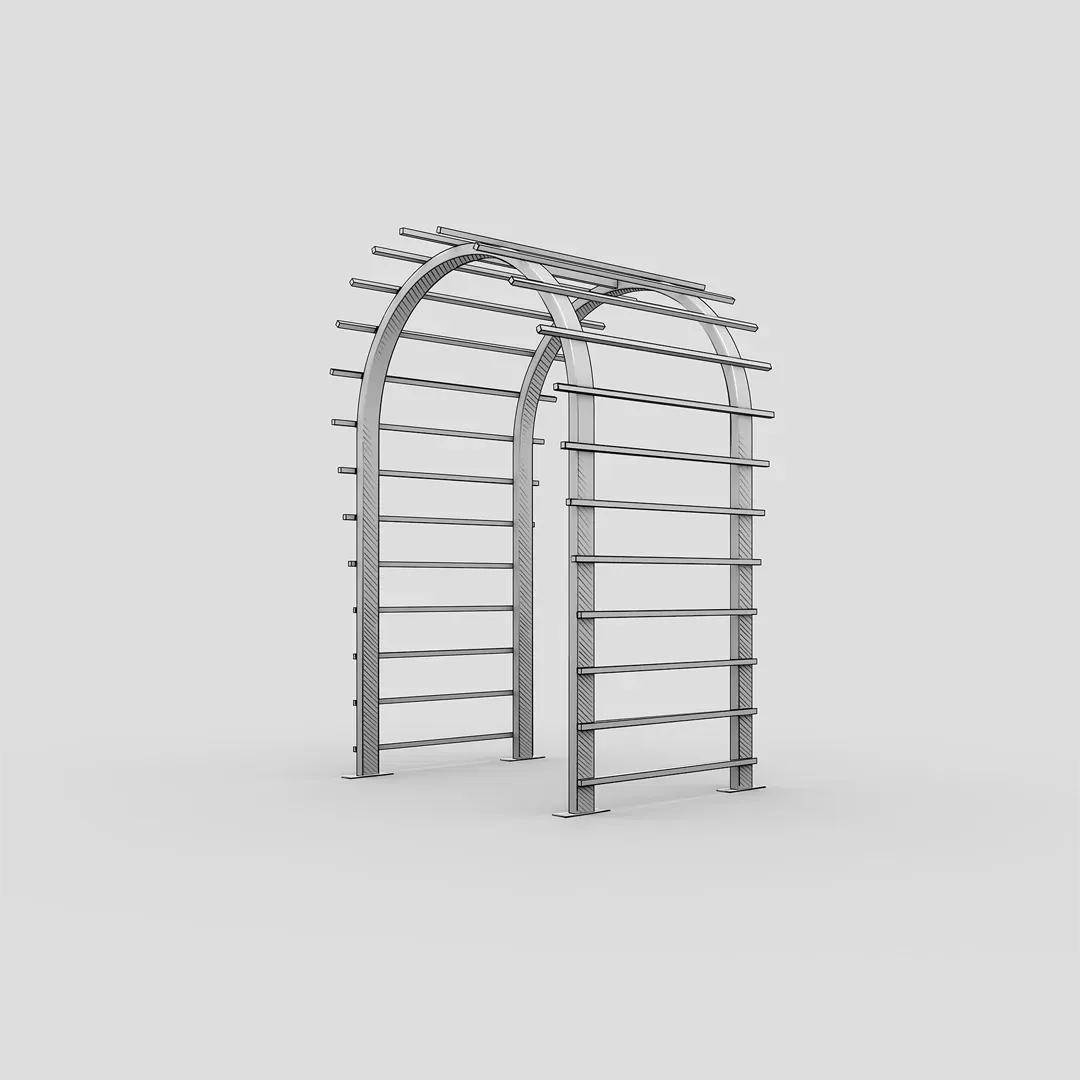
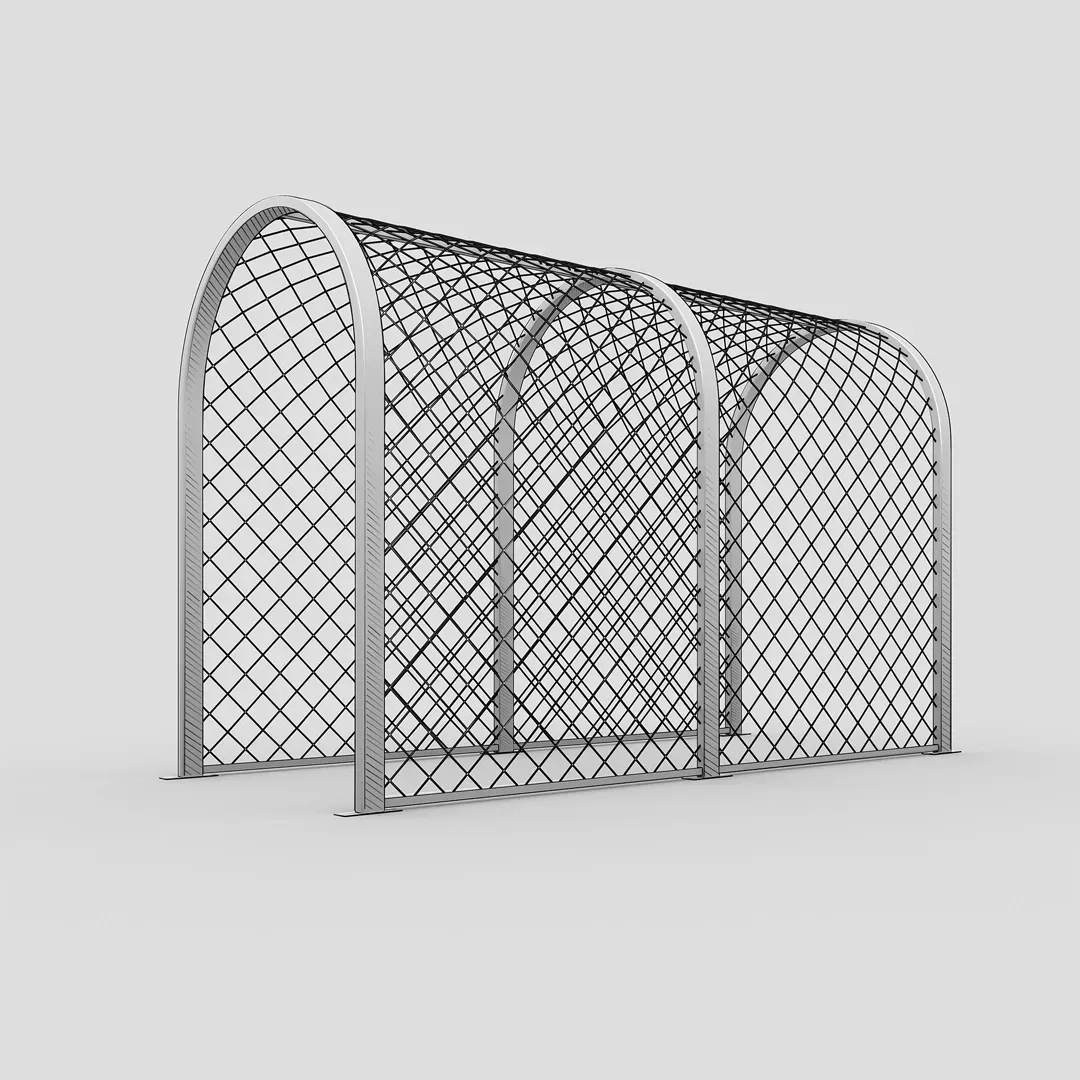
Our arches are built to last, crafted from powder-coated structural steel that won’t rust and stands up beautifully to the elements. Available in three standard sizes, each arch is designed to integrate seamlessly into any landscape. Choose from three elegant trellis styles to elevate your garden with lasting sophistication.
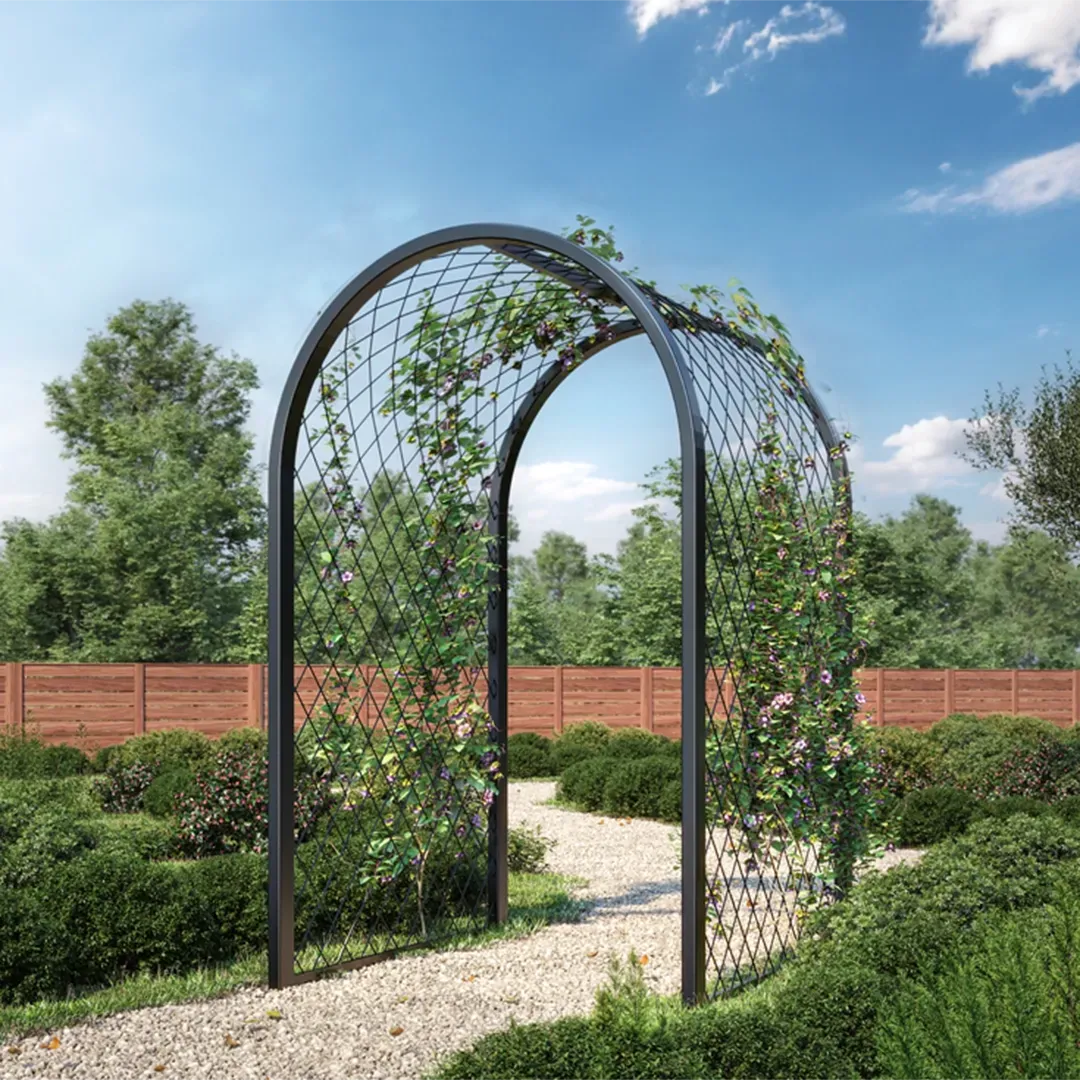
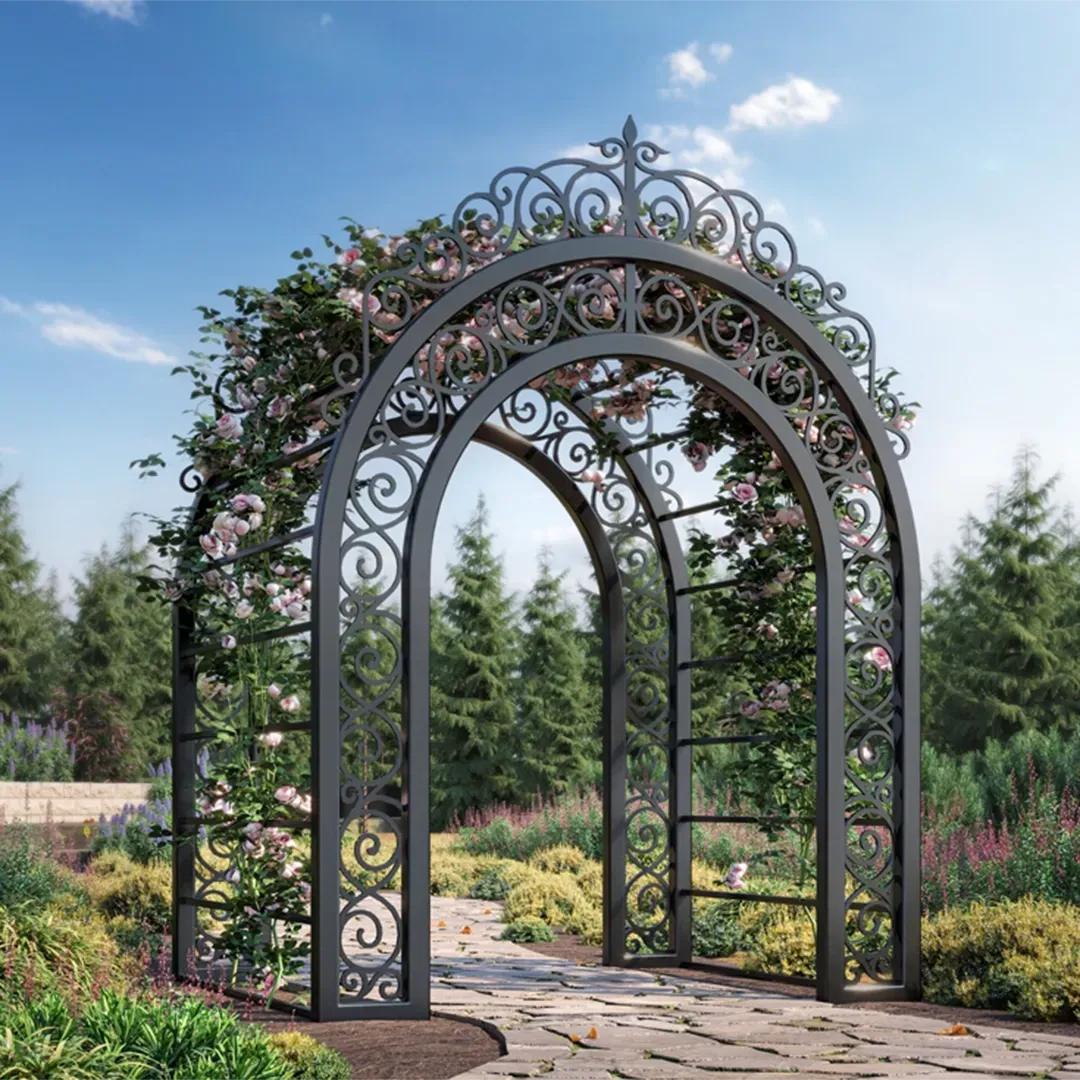

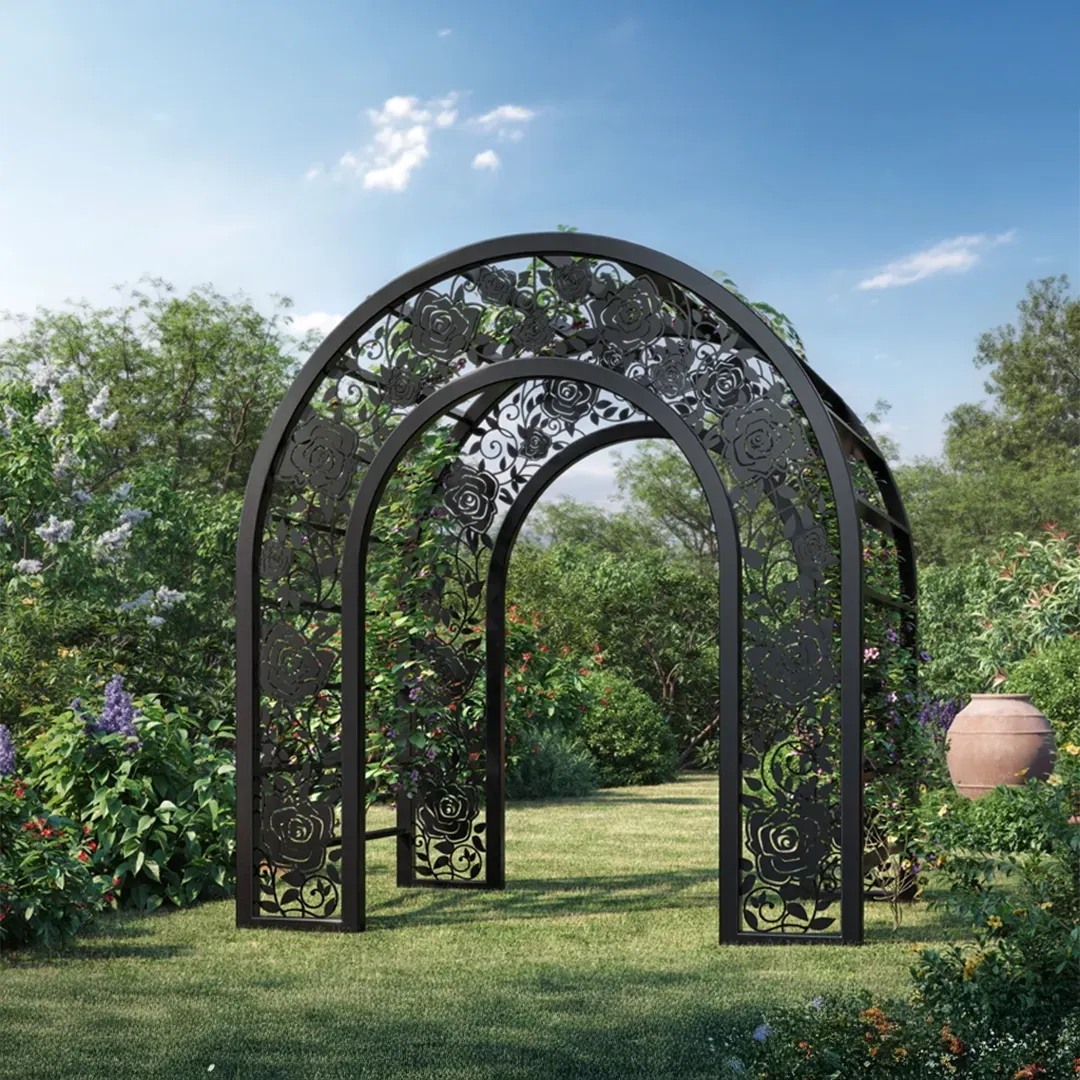
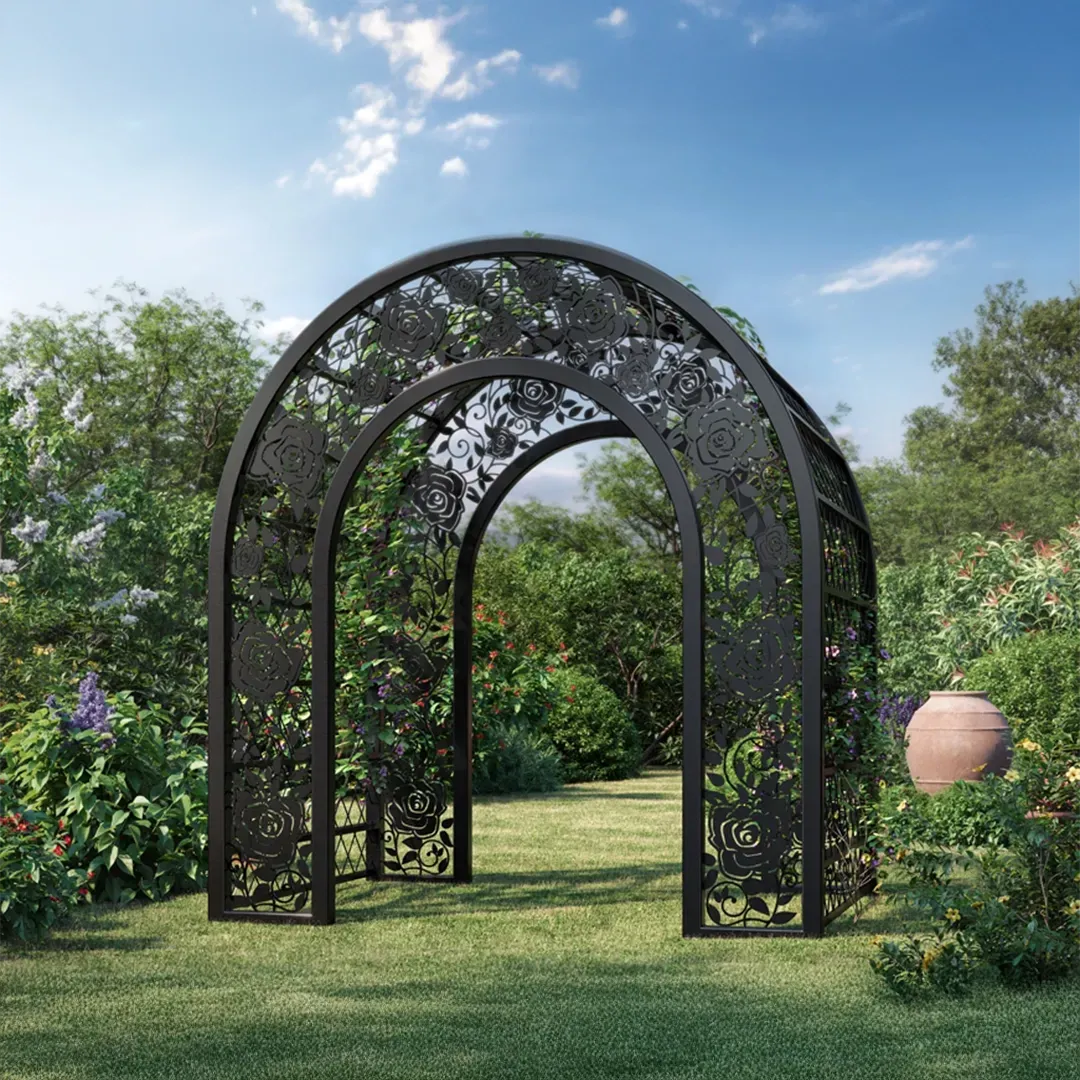
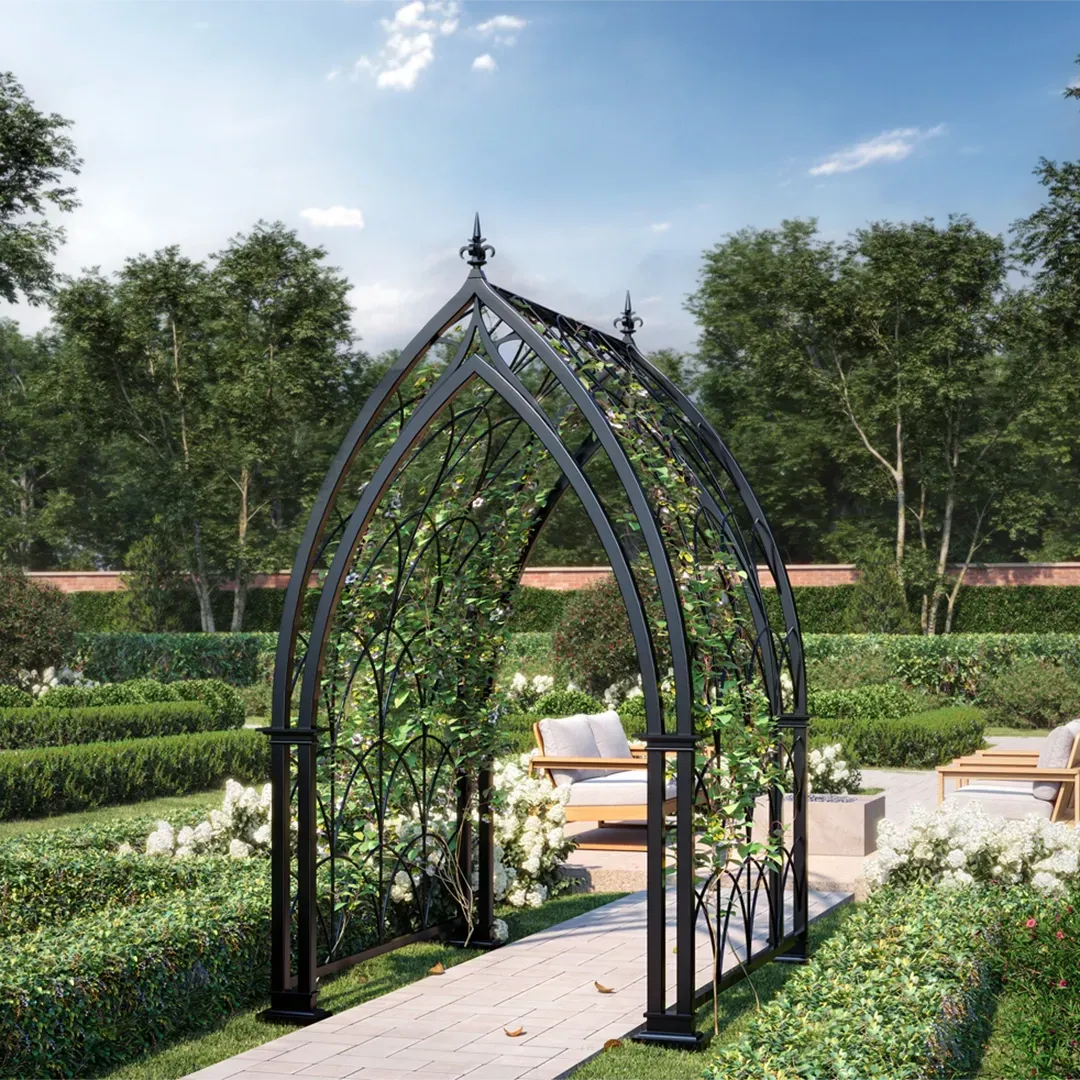
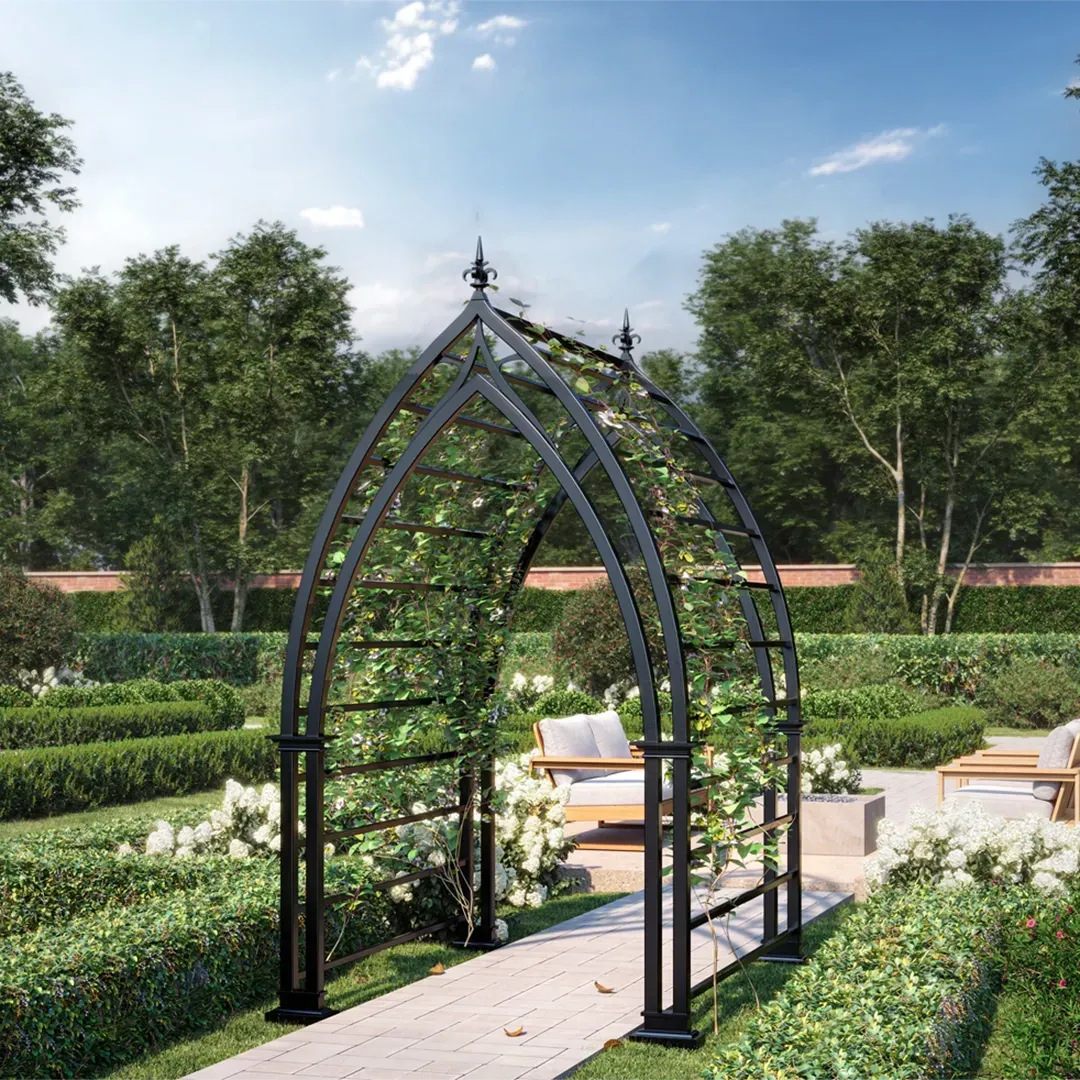
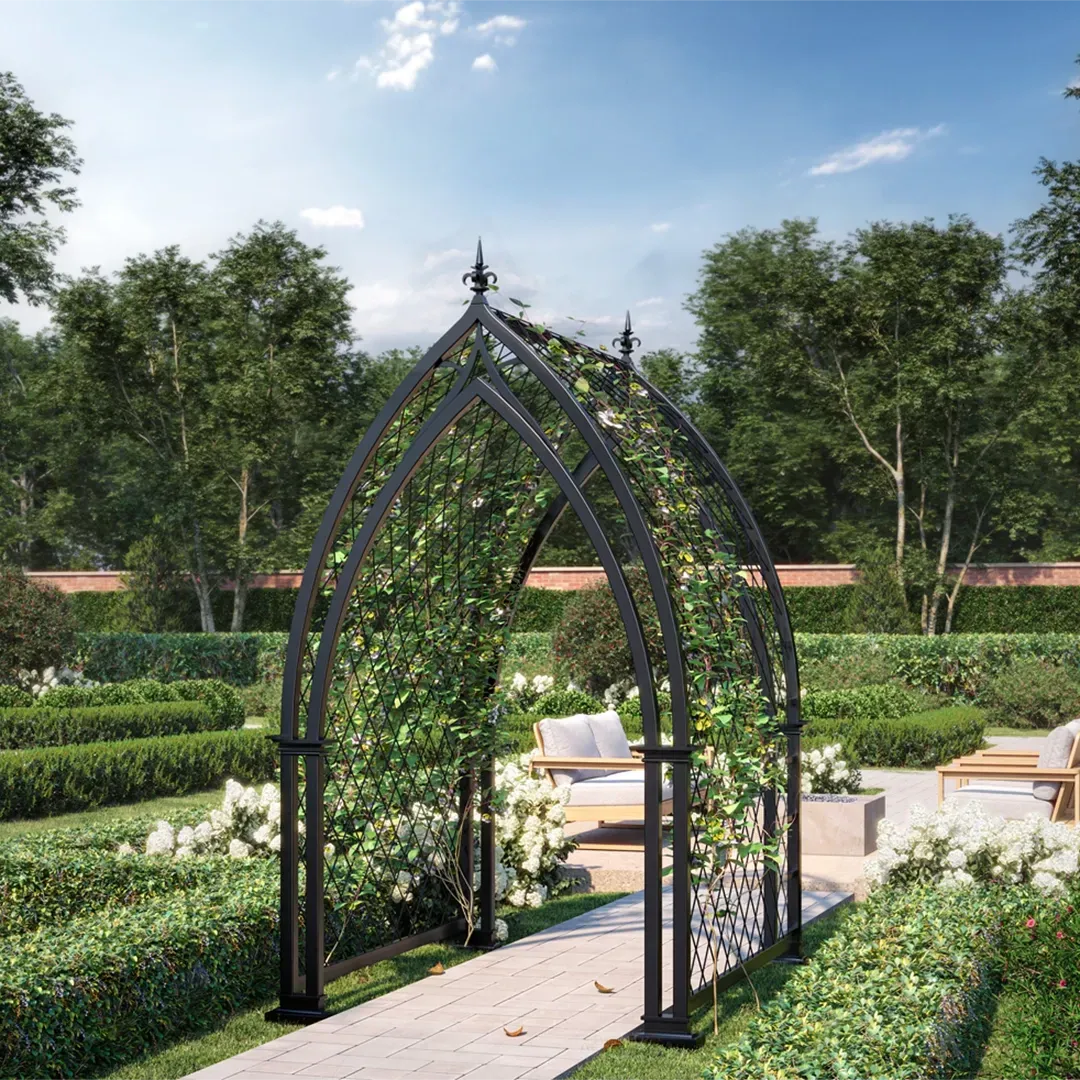
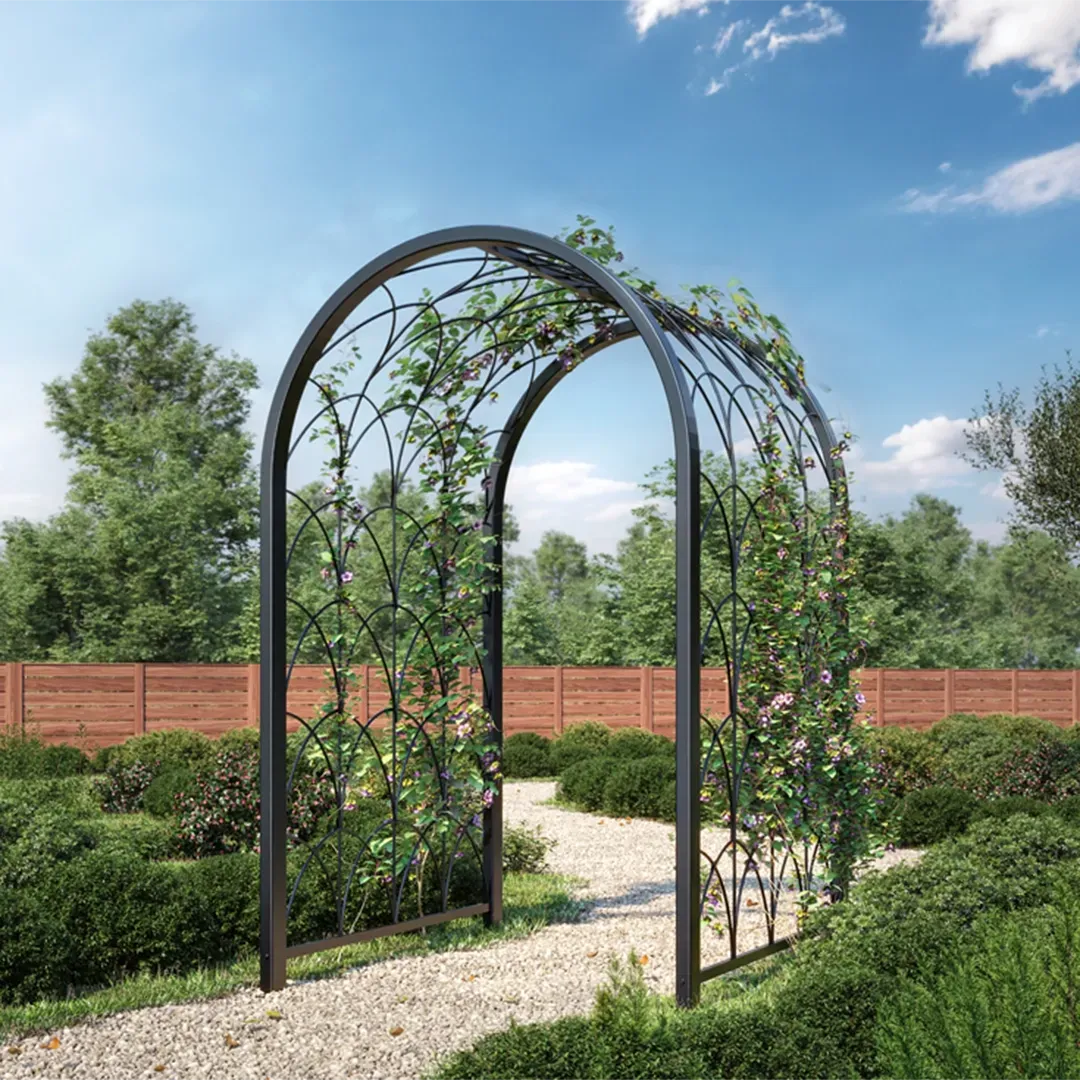
Arches & Trellises
Where Quality Stands Apart
Our arches come in three standard sizes, designed to seamlessly integrate into any landscape. Choose from three distinct trellis options, each crafted to enhance your garden’s aesthetic with elegance and style.
Gazebos
A Timeless Asset in Architectural Beauty
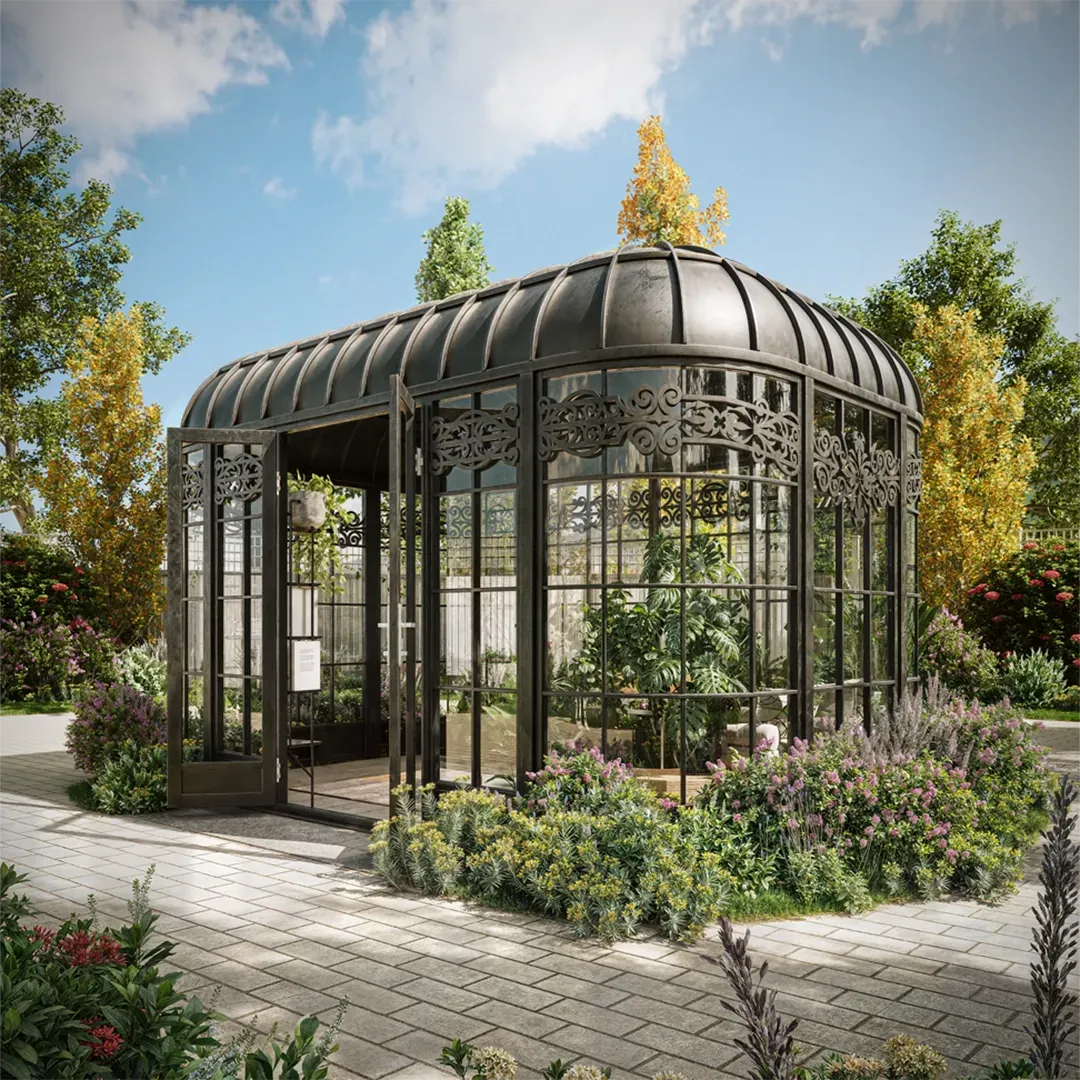
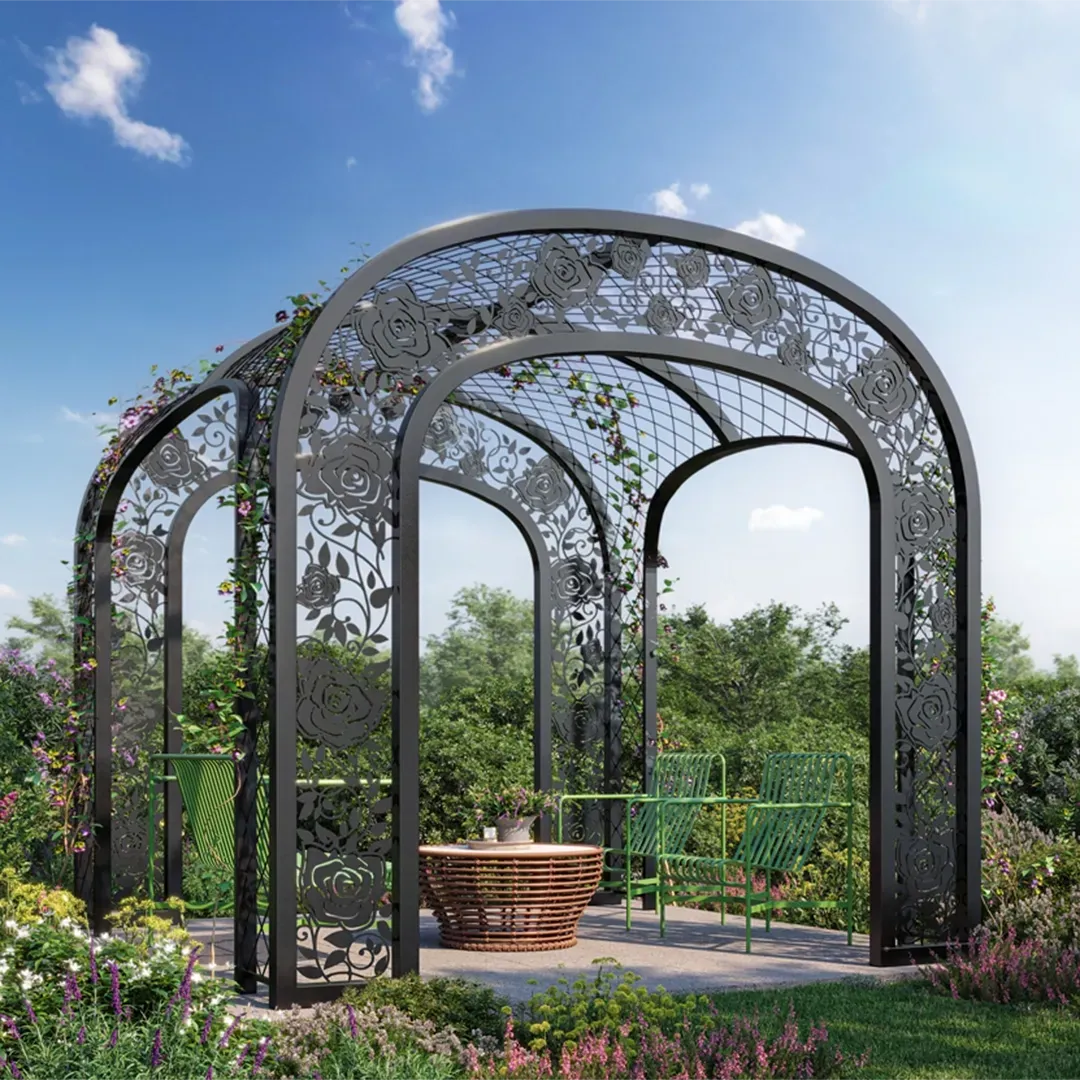
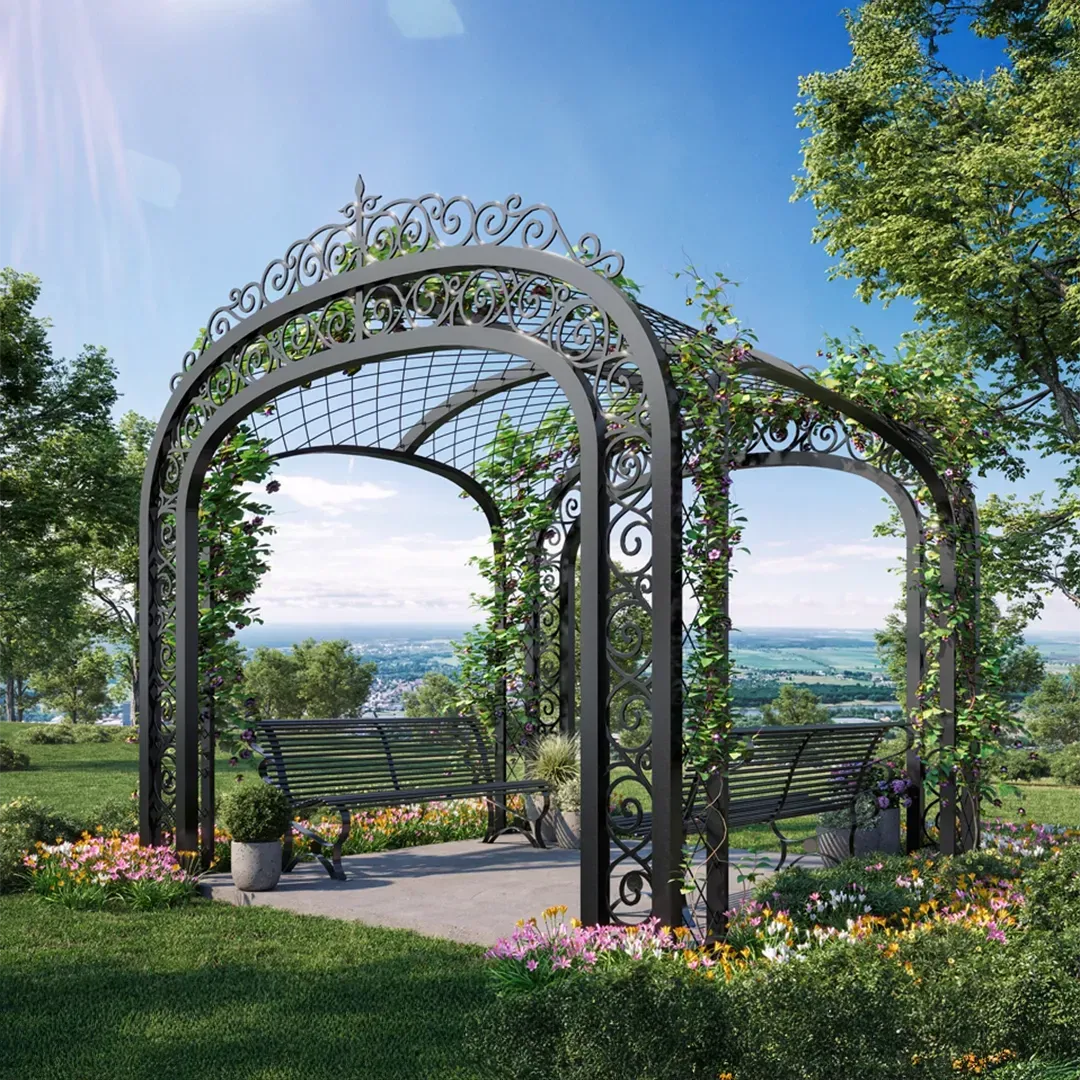
Our gazebos are more than just shade structures—they are timeless investments in both your property and lifestyle.
Designed for entertaining, dining, or quiet relaxation, each piece is meticulously crafted to blend elegance with durability, creating a stunning focal point for your outdoor space.
Outdoor Furniture
Where Luxury Meets Lasting Strength
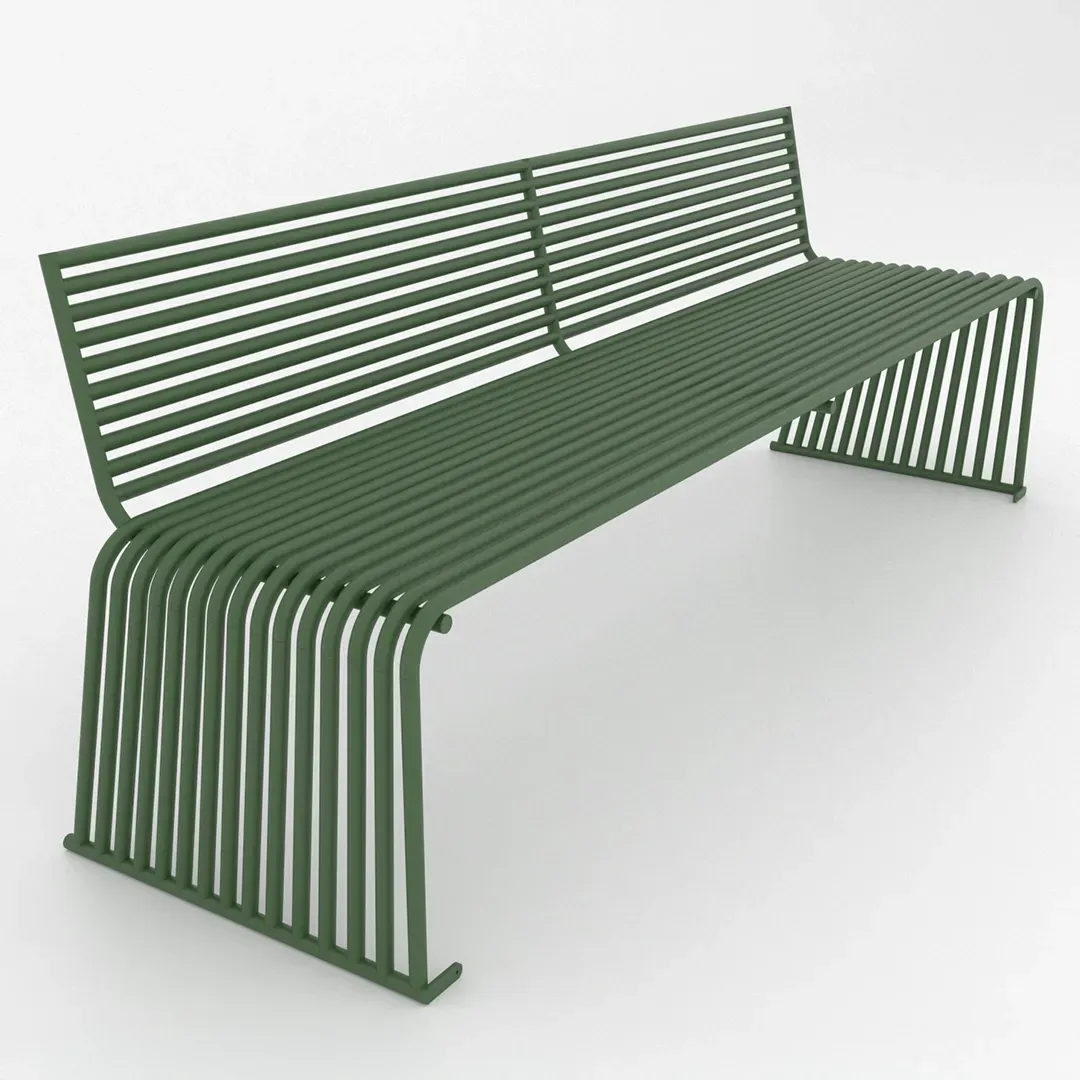
Elevate your outdoor space with Steel Gardens' modern, versatile furniture collection—designed to complement any garden or backyard with sophistication and comfort. Each piece is made to order, ensuring a seamless fit for your unique style and space.


Outdoor Furniture
Where Luxury Meets Lasting Strength
Elevate your outdoor space with Steel Gardens' modern, versatile furniture collection—designed to complement any garden or backyard with sophistication and comfort. Each piece is made to order, ensuring a seamless fit for your unique style and space.
Featured Designs for Elevated Outdoor Living
The Courtyard Bench
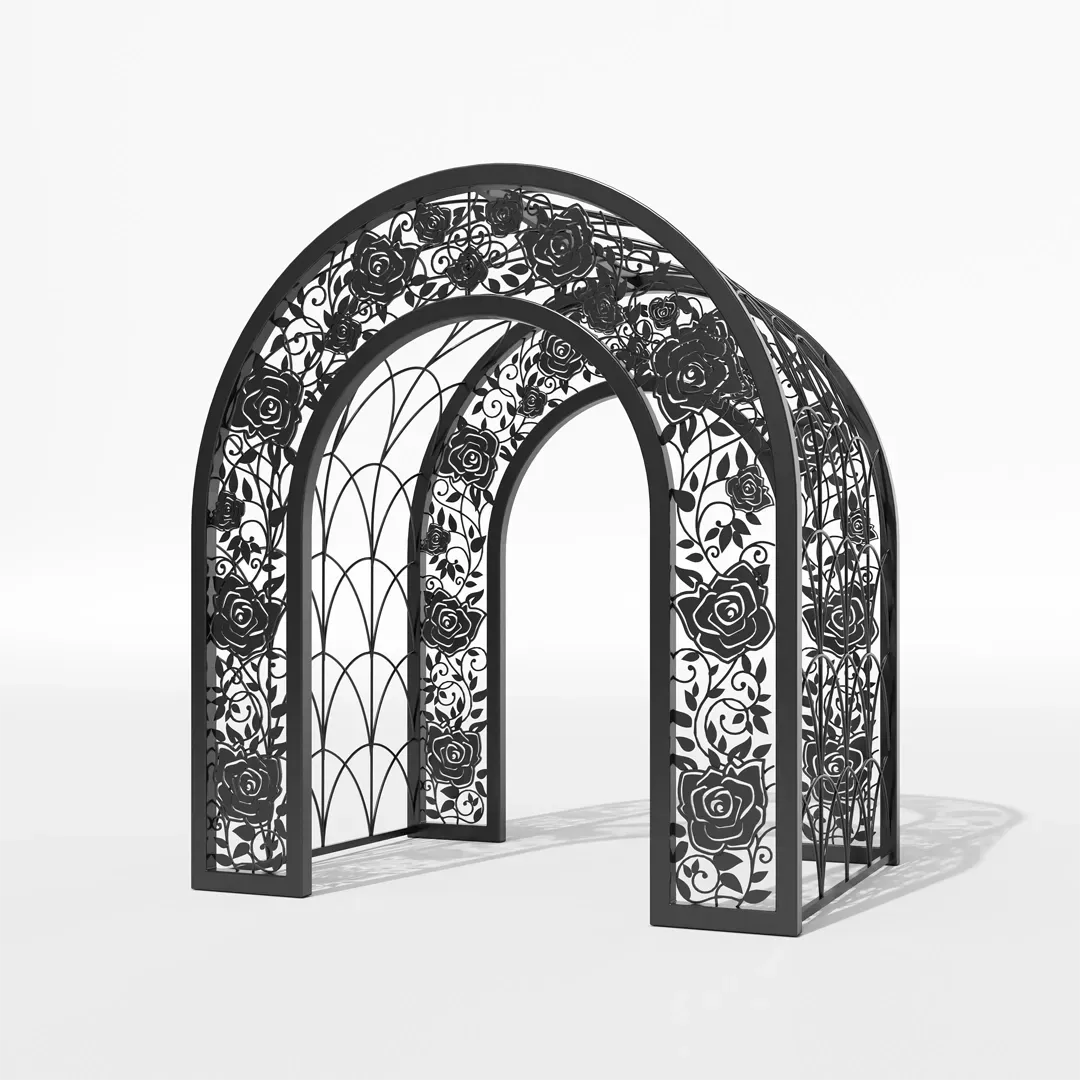
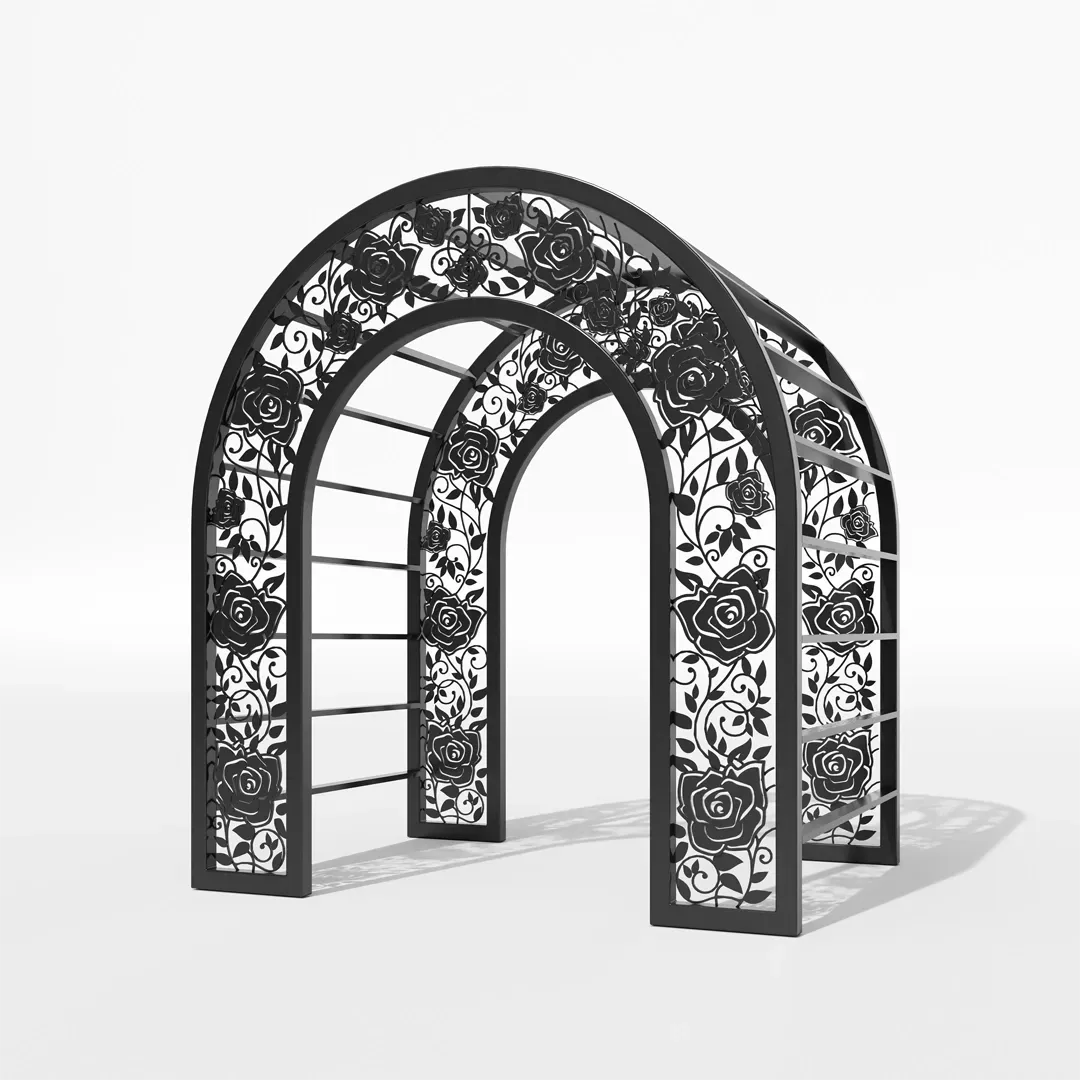
The Rose Garden Arch
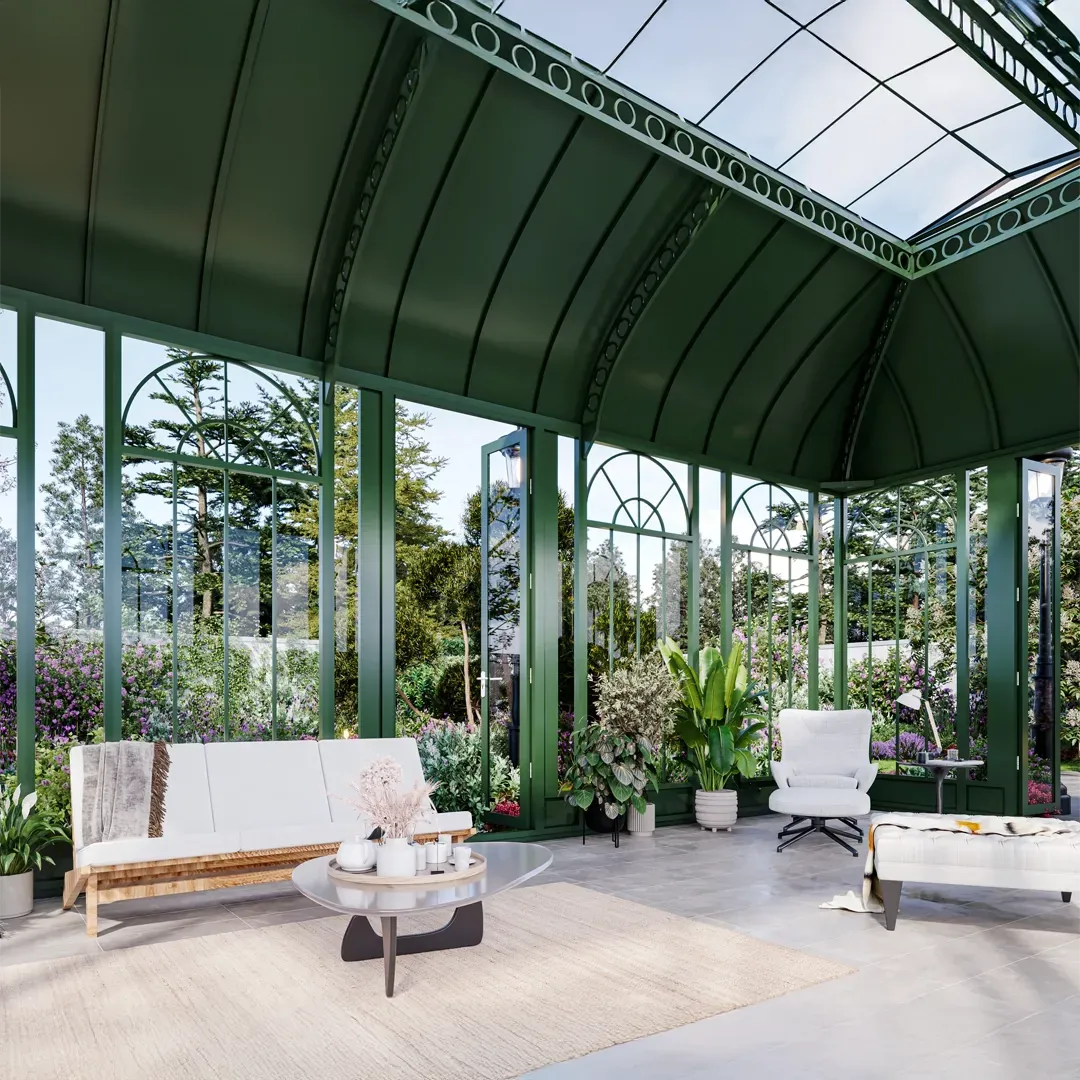
The Belfast Modern
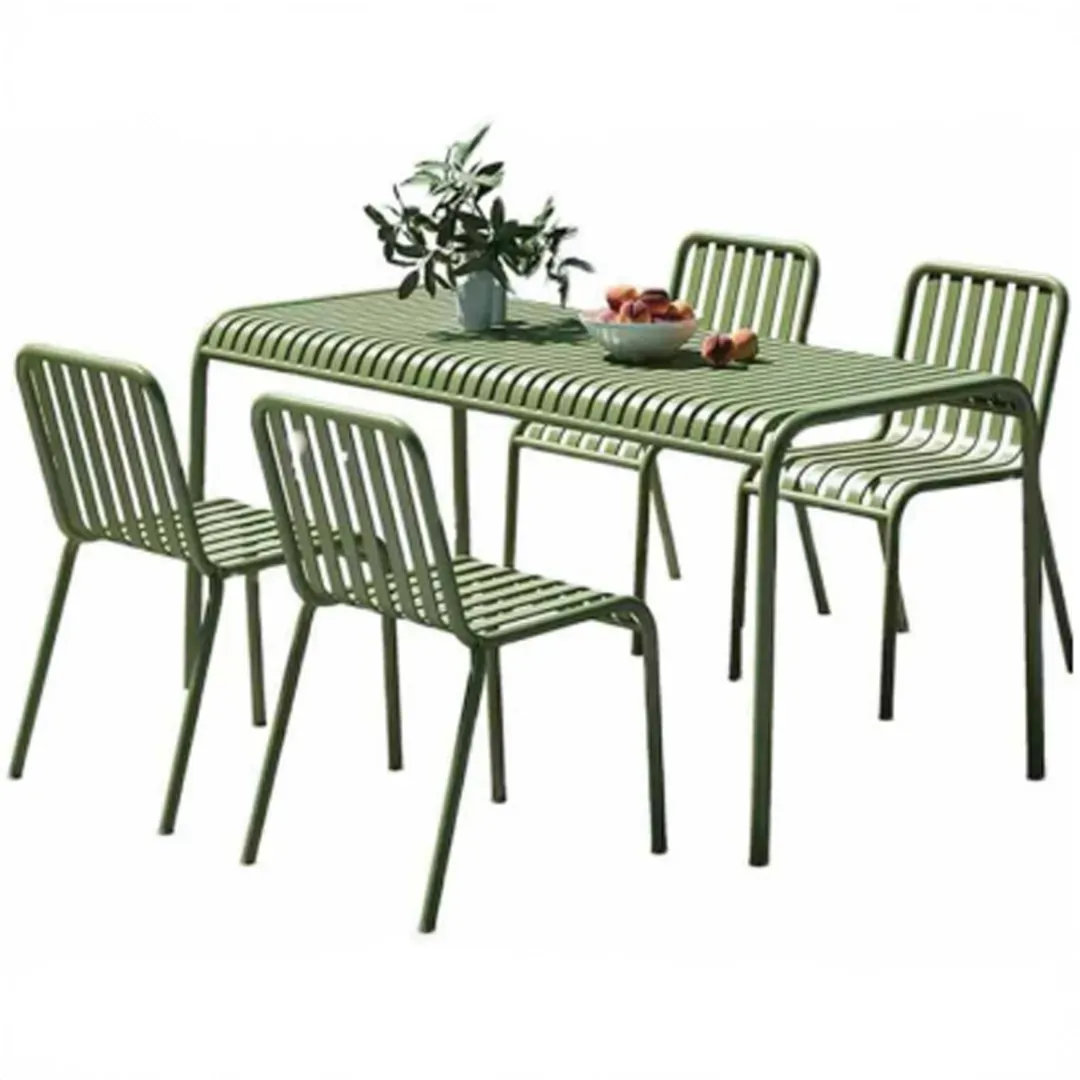
The Greenhouse Dining Patio Set
The Veranda Arch
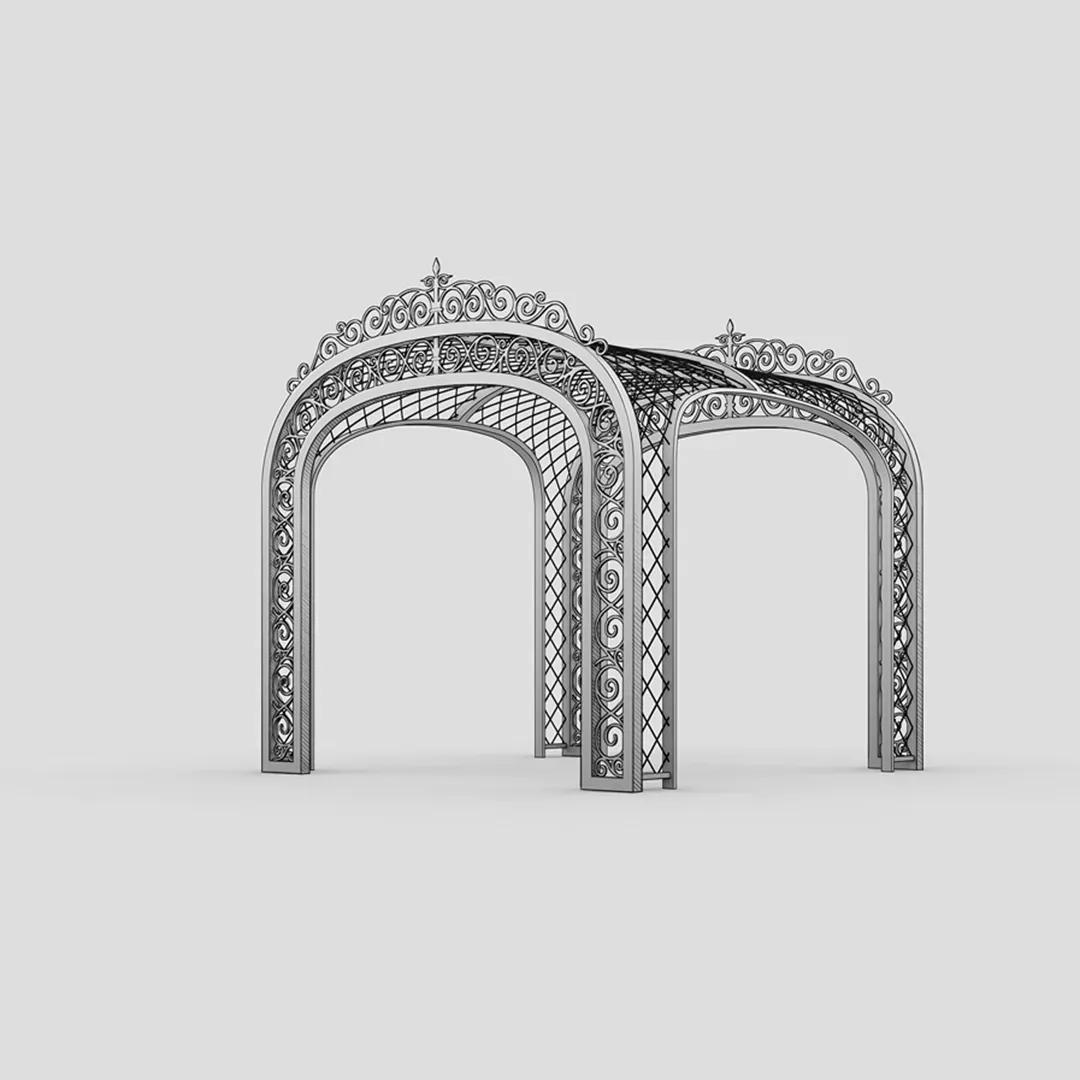
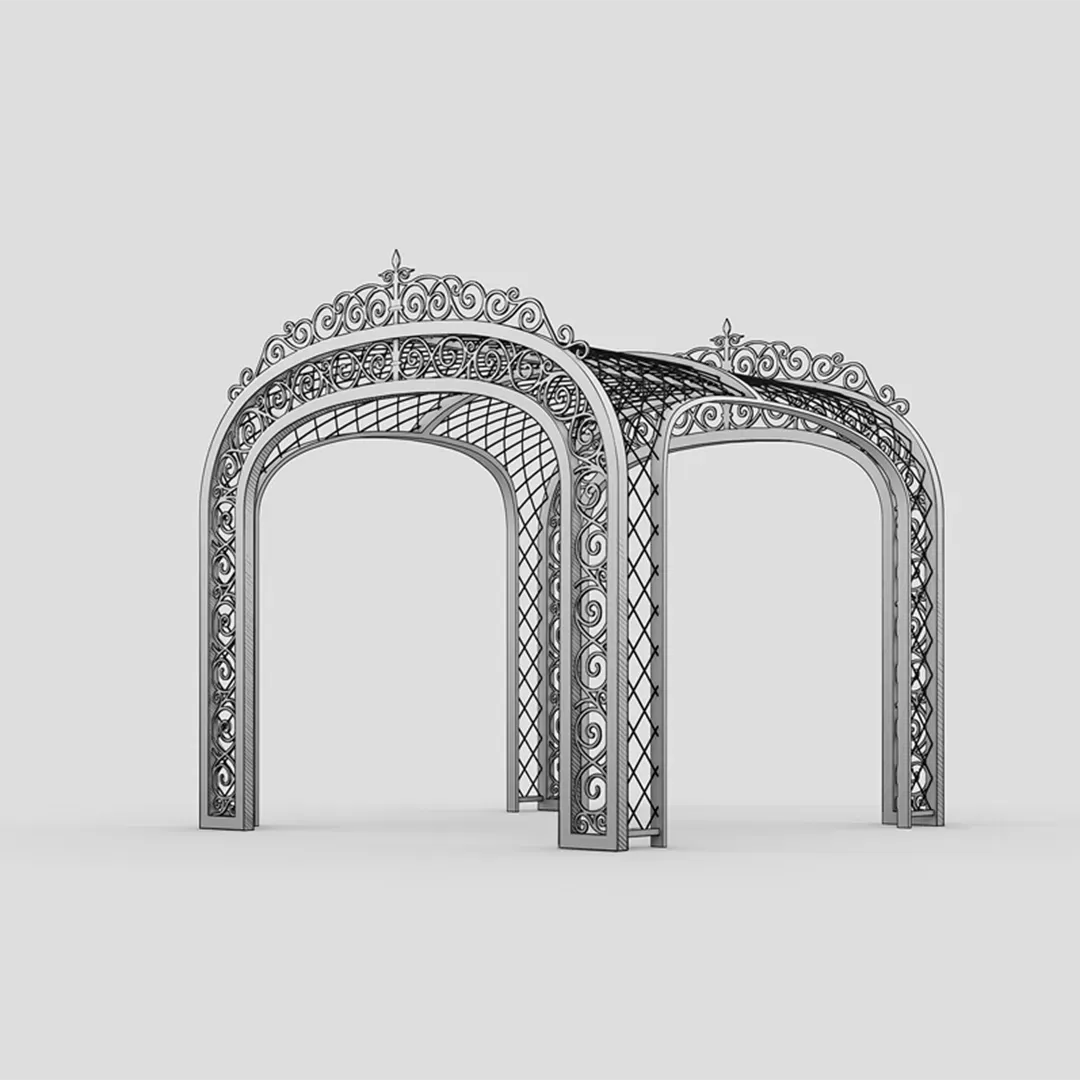
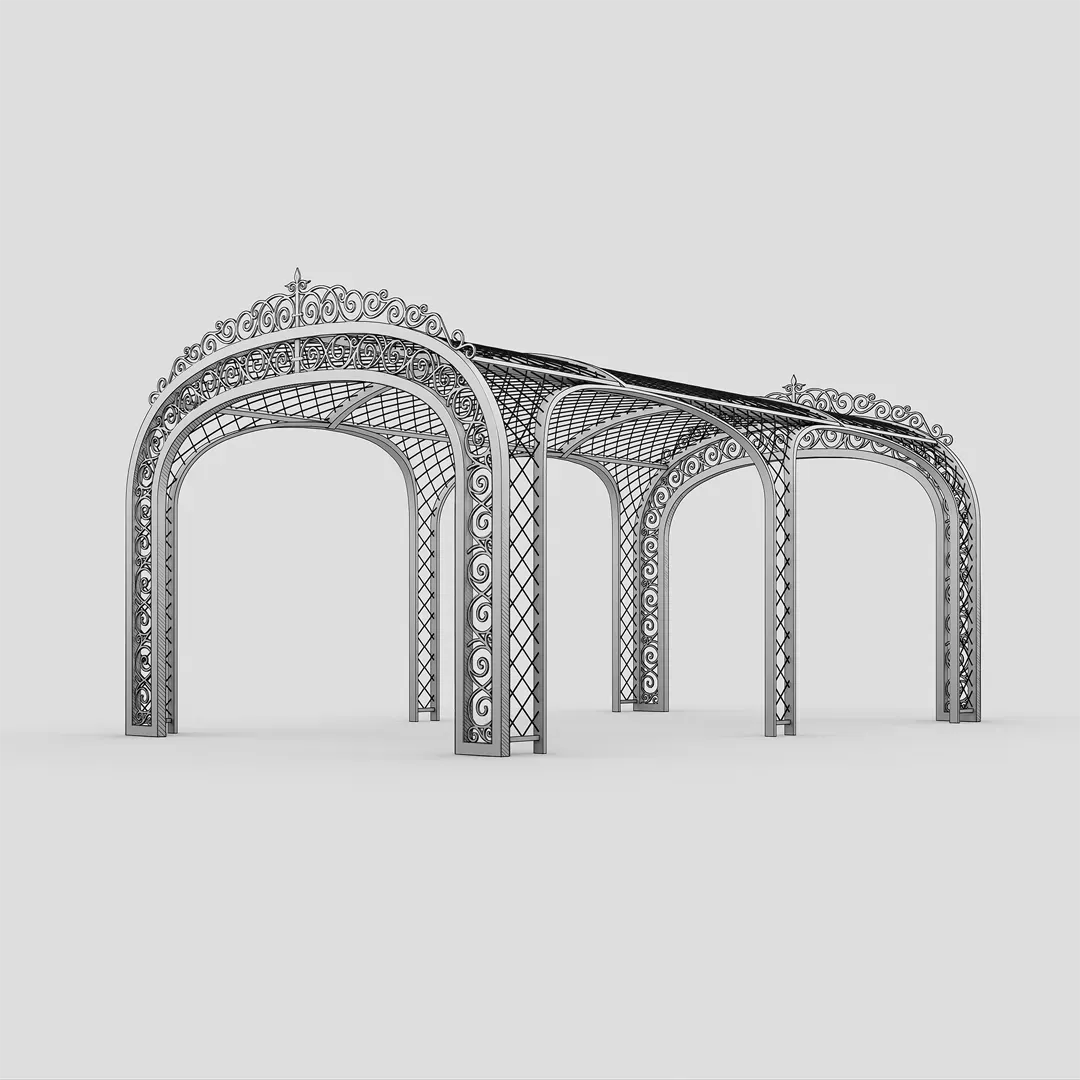
The Floral Gazebo
Expert Advice
Remote Monitoring Systems For Commercial Conservatories
A commercial conservatory generates data constantly—temperature, humidity, energy, security, structural. Alpine Designs steel-and-glass structures integrate remote monitoring systems that turn that data into operational intelligence accessible from any device, anywhere.
The case for remote monitoring in commercial glass venues
Glass venues are thermally dynamic environments. A system failure at 2 AM on the night before a major event can mean a venue that’s 45°F by morning—or 95°F. Remote monitoring detects failures and alerts operators the moment conditions deviate from acceptable ranges.
Without remote monitoring, the first indication of a problem is often a guest complaint, a frozen pipe, or a no-show HVAC unit discovered during morning setup. With remote monitoring, the problem is identified and addressed before it becomes a crisis.
This builds on our comprehensive overview of preventing the greenhouse oven effect: ventilation as revenue protection for glass venues.
Core monitoring parameters for glass venues
Alpine Designs remote monitoring systems track temperature at multiple zones and heights, relative humidity throughout the space, CO₂ concentrations as an occupancy proxy, HVAC equipment operational status, electrical panel loads and unusual draw patterns, and exterior weather conditions.
Each parameter has defined alert thresholds calibrated to the specific venue. A temperature that’s 3°F outside setpoint triggers a low-priority notification. A temperature 10°F outside setpoint triggers an urgent alarm. Threshold calibration prevents alert fatigue while ensuring genuine problems are never missed.
Structural monitoring: long-term integrity assurance
Steel-and-glass structures undergo thermal expansion and contraction with every temperature cycle. Over years, repeated cycling can fatigue connections and cause incremental movement at glazing perimeters. Structural monitoring detects these changes before they become maintenance issues.
Alpine Designs can incorporate displacement sensors at key structural connections, load monitoring at primary bearing points, and visual inspection camera systems at difficult-to-access areas. Annual monitoring data reports document structural performance and validate the ongoing integrity of the building envelope.
Glazing seal integrity monitoring
Failed glazing seals are among the most common maintenance issues in glass venues. When seals fail, argon fill escapes from insulated units—degrading thermal performance. Moisture can infiltrate, causing fogging between panes.
Acoustic sensors can detect the distinctive sound signature of argon escaping from a seal failure. Thermal imaging during routine maintenance visits identifies units with compromised performance before visible fogging occurs. Alpine Designs recommends annual thermal imaging surveys as part of preventive maintenance programs.
Energy monitoring: performance verification
Remote energy monitoring provides real-time and historical energy consumption data at the system and zone level. This data validates that designed energy performance is being achieved in operation—and identifies when it’s not.
Unexpected energy consumption increases often indicate equipment problems: a heat pump operating in resistance backup mode, a variable speed drive fault causing a fan to run at full speed continuously, or a damper stuck in the wrong position. Remote monitoring catches these faults within hours; without monitoring, they may run for months before discovery.
Utility integration and demand charge management
Real-time energy monitoring integrated with utility rate data allows building automation systems to manage demand charges—the component of commercial utility bills based on peak 15-minute demand rather than total consumption.
When real time monitoring detects a demand spike approaching the billing threshold, the BAS automatically sheds low-priority loads, pre-cooling to a slightly higher setpoint, dimming non-occupied lighting zones, delaying equipment startup sequences, to prevent the new peak. Annual demand charge savings of $5,000–20,000 are typical for mid-size commercial venues.
Security and access monitoring
Remote security monitoring integrates door contact sensors, motion detectors, camera feeds, and access control logs into a unified platform. Operators can verify venue security status from anywhere and receive immediate alerts when unauthorized access is detected.
Learn how leading operators approach intelligent building controls.
For venues with multiple event spaces and separate client access zones, remote access monitoring provides documented records of who entered which areas and when—valuable both for security management and for resolving any post-event disputes about access or liability.
Environmental monitoring for plant-rich venues
Botanical conservatories and venues with significant plant displays require environmental monitoring calibrated to plant health requirements—not just human comfort. Soil moisture sensors, light level monitoring, and humidity tracking specific to plant zones protect valuable collections.
Automated alerts when plant zone temperatures approach stress thresholds, during system failures or extreme weather events, allow operators to intervene before irreplaceable specimens are damaged. Remote monitoring for plant-intensive venues pays for itself the first time it prevents a cold snap casualty.
Cloud platforms and data accessibility
Modern remote monitoring systems store data in cloud platforms with mobile-accessible dashboards. Venue operators receive push notifications for alerts, review trend data on tablets, and share reports with maintenance contractors or ownership groups without on-site visits.
Alpine Designs integrates building monitoring data with cloud platforms that provide historical trending, anomaly detection, and predictive maintenance capabilities. These platforms learn normal operational patterns and flag deviations—identifying a failing fan bearing by its vibration signature before it fails completely.
Integrating monitoring with maintenance programs
Remote monitoring data transforms maintenance from reactive to predictive. Instead of replacing equipment on fixed schedules, predictive maintenance uses operational data, run hours, efficiency trends, vibration signatures, to replace components when data indicates imminent failure.
Alpine Designs’ commissioning process establishes baseline performance data for every monitored system. Maintenance contractors use this baseline to evaluate ongoing performance and schedule interventions based on actual equipment condition rather than calendar-based assumptions.
The investment in visibility
Remote monitoring infrastructure adds $5,000–25,000 to project cost depending on system scope and sensor density. This investment pays back through emergency prevention, energy optimization, predictive maintenance, and the operational confidence of knowing building status at all times.
Contact Alpine Designs to discuss remote monitoring system design for your commercial conservatory project. Alpine Designs steel-and-glass structures are built to be known intimately—because what gets measured gets managed.
The Material Difference
Precision in Strength, Perfection in Detail
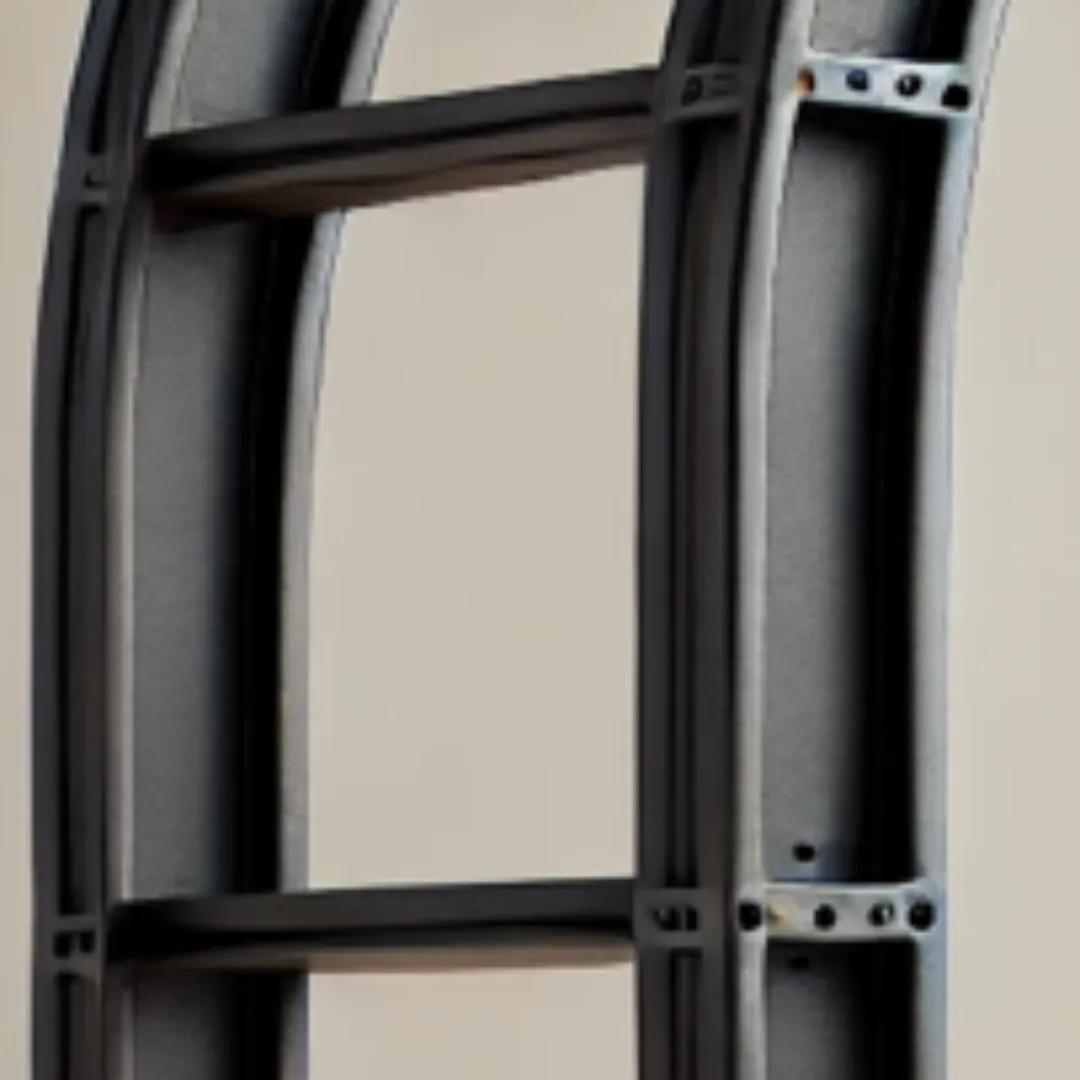
Our Structural Steel:
Engineered to exceed stringent industry standards, our structural steel is built for construction and engineering projects where strength, stability, and load-bearing capacity are paramount. Designed to withstand significant stress without bending or breaking, it ensures lasting durability and reliability.
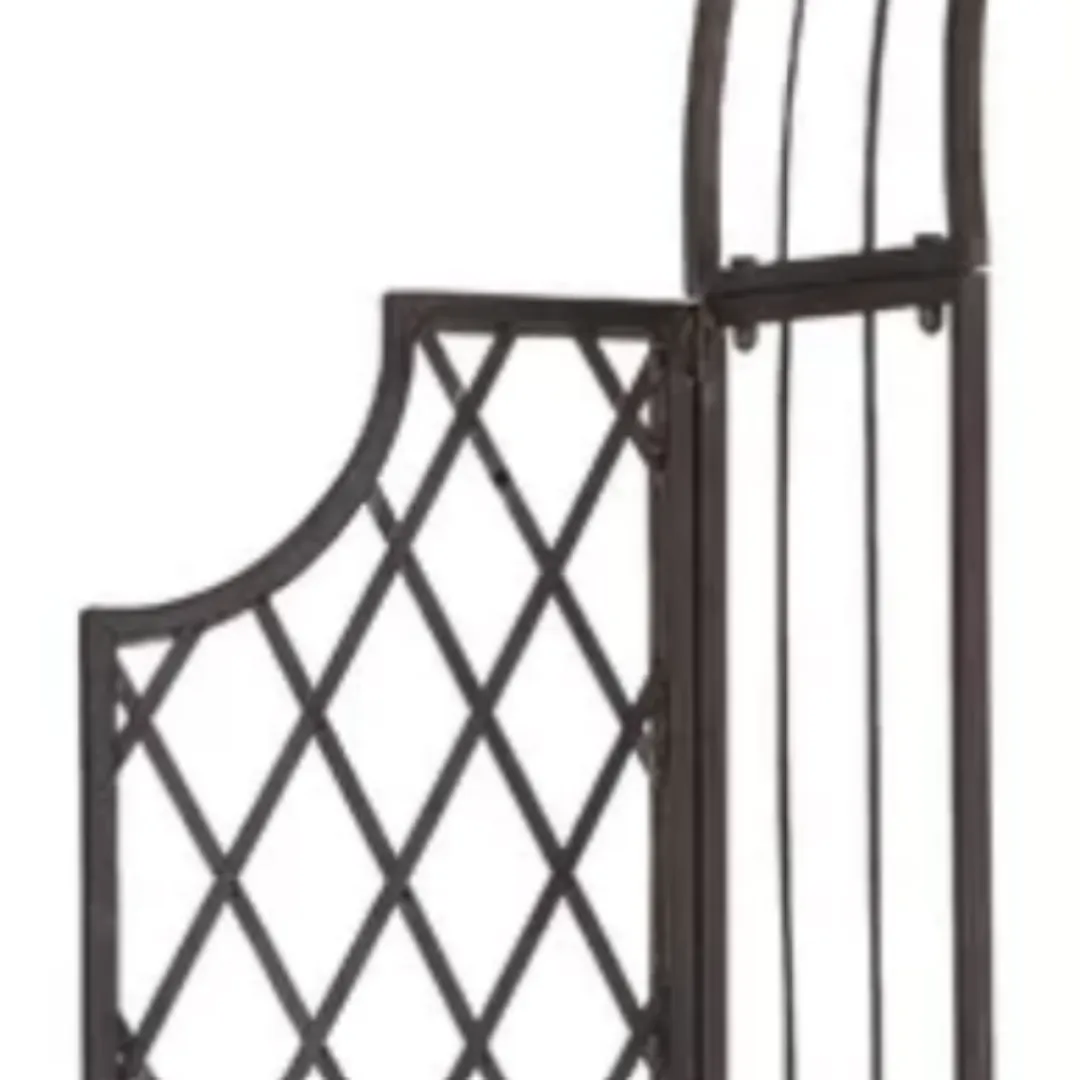
Other Brands:
Many competitors use thin, low-grade steel or lightweight metals like aluminum, which lack the resilience and strength needed to support heavy loads or endure harsh weather conditions.
Real Clients, Real Customization
The Kensington Heritage Greenhouse
Ethan's Kensington Heritage Greenhouse
from
Boston, Massachusetts
Common Questions
What Makes Our Greenhouses Unique?
At Steel Gardens, our greenhouses are crafted with premium materials, including reinforced glass, and feature exquisite designs with unparalleled customization options. Built for unmatched durability, aesthetics, and functionality, they are perfect for avid gardeners and so much more. Whether you use your greenhouse for gardening, as an elegant entertaining space, a creative studio, or a tranquil retreat, each design combines beauty and versatility to enhance your lifestyle and property.
What maintenance is required for an Steel Gardens greenhouse and how do I ensure optimal performance?
Alpine Greenhouses are incredibly low maintenance. Our programmable exhaust fans allow you to specify temperature and humidity settings, allowing for automated control of your environment. With the benefit of a steel roof, cleaning as needed of your glass glazing is all that is regularly needed to enjoy this stunning addition to your property.
Can I customize the design and size of my greenhouse?
Yes, our greenhouses are fully customizable to suit your unique vision and requirements. Our design team works closely with you to assess your personal intentions for use, whether it’s gardening, entertaining, or creating a relaxing retreat. We also take into account your color preferences, size needs, and property specifications to ensure the greenhouse integrates seamlessly with your outdoor space. With a wide range of sizes, styles, materials, and finishes available, we help you create a bespoke greenhouse that not only complements your property but also fulfills your lifestyle goals.
What are the standard installation costs for a custom greenhouse?
The installation and site preparation costs for a custom greenhouse typically align with the model's material costs. These expenses reflect the skilled labor and precision required to properly assemble the structure, integrate custom features, and meet local code requirements. Site preparation—such as leveling, foundation work, and drainage—can also influence the overall cost based on the property’s specific needs and design requirements.
What factors should I consider when planning and designing a custom greenhouse?
Design with confidence - Get Our Greenhouse Guide
Designing a custom greenhouse is an exciting opportunity to create a functional and beautiful space tailored to your needs. Here are some important considerations to keep in mind:
What is your primary goal?
Will your greenhouse be used for gardening, entertaining, relaxation, or as a multi-purpose space? Understanding your intentions will guide key design decisions, such as size, layout, and features.
Where will the greenhouse be placed?
Choose a location that maximizes sunlight exposure, typically a south-facing position. Consider factors like wind exposure, drainage, and accessibility.
How does it fit into your landscape?
Ensure the greenhouse complements the style and layout of your property for seamless integration.
What size works best for your needs?
The greenhouse should be large enough for its intended purpose but proportionate to your property. Consider future uses to avoid outgrowing the space.
What aesthetic appeals to you?
Choose a design style that complements your home and personal taste, whether it’s modern, Victorian, Colonial, or something else.
Customization options:
Explore options like decorative ironwork, custom colors, roof profiles, or unique window designs to make your greenhouse one-of-a-kind.
What type of glazing is ideal?
Options include single-pane tempered glass for aesthetics or double-pane glass with Low-E coatings for improved insulation and energy efficiency.
Thermal performance:
Consider insulated foundations or climate battery systems for year-round temperature regulation.
How will you maintain optimal growing conditions?
Incorporate features like heating, cooling, ventilation, and humidity control to create the ideal environment for plants and people.
What foundation will support your greenhouse?
Options range from simple ground screws to advanced insulated foundations, depending on thermal needs and site conditions. Ensure proper drainage to prevent water issues.
What materials best suit your needs?
High-quality materials like aluminum, steel, and reinforced glass ensure longevity and low maintenance.
Do you need electricity?
Plan for lighting, fans, and other electrical components to enhance usability, especially for evening use or winter gardening.
How Do Our Greenhouses Manage Climate Control?
We believe greenhouses should be optimized for many uses, not simply high production gardening. In comparison to glass or polycarbonate roofed greenhouses which can be far too hot to enjoy, our models significantly reduce heat gain while still providing an ample amount of sunlight for your gardening interests. Maintaining consistent temperature controls is a priority for those interested in creating an environment comfortable for any number of activities.
How can my greenhouse provide a valuable return on investment?
We believe greenhouses should be optimized for many uses, not simply high production gardening. In comparison to glass or polycarbonate roofed greenhouses which can be far too hot to enjoy, our models significantly reduce heat gain while still providing an ample amount of sunlight for your gardening interests. Maintaining consistent temperature controls is a priority for those interested in creating an environment comfortable for any number of activities.
How does Steel Gardens assist with permits?
We believe greenhouses should be optimized for many uses, not simply high production gardening. In comparison to glass or polycarbonate roofed greenhouses which can be far too hot to enjoy, our models significantly reduce heat gain while still providing an ample amount of sunlight for your gardening interests. Maintaining consistent temperature controls is a priority for those interested in creating an environment comfortable for any number of activities.
What is the Lowest Maintenance Roof Option?
We believe greenhouses should be optimized for many uses, not simply high production gardening. In comparison to glass or polycarbonate roofed greenhouses which can be far too hot to enjoy, our models significantly reduce heat gain while still providing an ample amount of sunlight for your gardening interests. Maintaining consistent temperature controls is a priority for those interested in creating an environment comfortable for any number of activities.
What type of Foundations do we recommend?
We believe greenhouses should be optimized for many uses, not simply high production gardening. In comparison to glass or polycarbonate roofed greenhouses which can be far too hot to enjoy, our models significantly reduce heat gain while still providing an ample amount of sunlight for your gardening interests. Maintaining consistent temperature controls is a priority for those interested in creating an environment comfortable for any number of activities.
Common Questions
What Makes Our Greenhouses Unique?
At Steel Gardens, our greenhouses are crafted with premium materials, including reinforced glass, and feature exquisite designs with unparalleled customization options. Built for unmatched durability, aesthetics, and functionality, they are perfect for avid gardeners and so much more. Whether you use your greenhouse for gardening, as an elegant entertaining space, a creative studio, or a tranquil retreat, each design combines beauty and versatility to enhance your lifestyle and property.
What maintenance is required for an Steel Gardens greenhouse and how do I ensure optimal performance?
Alpine Greenhouses are incredibly low maintenance. Our programmable exhaust fans allow you to specify temperature and humidity settings, allowing for automated control of your environment. With the benefit of a steel roof, cleaning as needed of your glass glazing is all that is regularly needed to enjoy this stunning addition to your property.
Can I customize the design and size of my greenhouse?
Yes, our greenhouses are fully customizable to suit your unique vision and requirements. Our design team works closely with you to assess your personal intentions for use, whether it’s gardening, entertaining, or creating a relaxing retreat. We also take into account your color preferences, size needs, and property specifications to ensure the greenhouse integrates seamlessly with your outdoor space. With a wide range of sizes, styles, materials, and finishes available, we help you create a bespoke greenhouse that not only complements your property but also fulfills your lifestyle goals.
What are the standard installation costs for a custom greenhouse?
The installation and site preparation costs for a custom greenhouse typically align with the model's material costs. These expenses reflect the skilled labor and precision required to properly assemble the structure, integrate custom features, and meet local code requirements. Site preparation—such as leveling, foundation work, and drainage—can also influence the overall cost based on the property’s specific needs and design requirements.
What factors should I consider when planning and designing a custom greenhouse?
Design with confidence - Get Our Greenhouse Planning Guide
Designing a custom greenhouse is an exciting opportunity to create a functional and beautiful space tailored to your needs. Here are some important considerations to keep in mind:
What is your primary goal?
Will your greenhouse be used for gardening, entertaining, relaxation, or as a multi-purpose space? Understanding your intentions will guide key design decisions, such as size, layout, and features.
Where will the greenhouse be placed?
Choose a location that maximizes sunlight exposure, typically a south-facing position. Consider factors like wind exposure, drainage, and accessibility.
How does it fit into your landscape?
Ensure the greenhouse complements the style and layout of your property for seamless integration.
What size works best for your needs?
The greenhouse should be large enough for its intended purpose but proportionate to your property. Consider future uses to avoid outgrowing the space.
What aesthetic appeals to you?
Choose a design style that complements your home and personal taste, whether it’s modern, Victorian, Colonial, or something else.
Customization options:
Explore options like decorative ironwork, custom colors, roof profiles, or unique window designs to make your greenhouse one-of-a-kind.
What type of glazing is ideal?
Options include single-pane tempered glass for aesthetics or double-pane glass with Low-E coatings for improved insulation and energy efficiency.
Thermal performance:
Consider insulated foundations or climate battery systems for year-round temperature regulation.
How will you maintain optimal growing conditions?
Incorporate features like heating, cooling, ventilation, and humidity control to create the ideal environment for plants and people.
What foundation will support your greenhouse?
Options range from simple ground screws to advanced insulated foundations, depending on thermal needs and site conditions. Ensure proper drainage to prevent water issues.
What materials best suit your needs?
High-quality materials like aluminum, steel, and reinforced glass ensure longevity and low maintenance.
Do you need electricity?
Plan for lighting, fans, and other electrical components to enhance usability, especially for evening use or winter gardening.
How Do Our Greenhouses Manage Climate Control?
We believe greenhouses should be optimized for many uses, not simply high production gardening. In comparison to glass or polycarbonate roofed greenhouses which can be far too hot to enjoy, our models significantly reduce heat gain while still providing an ample amount of sunlight for your gardening interests. Maintaining consistent temperature controls is a priority for those interested in creating an environment comfortable for any number of activities.
How can my greenhouse provide a valuable return on investment?
We believe greenhouses should be optimized for many uses, not simply high production gardening. In comparison to glass or polycarbonate roofed greenhouses which can be far too hot to enjoy, our models significantly reduce heat gain while still providing an ample amount of sunlight for your gardening interests. Maintaining consistent temperature controls is a priority for those interested in creating an environment comfortable for any number of activities.
How does Steel Gardens assist with permits?
We believe greenhouses should be optimized for many uses, not simply high production gardening. In comparison to glass or polycarbonate roofed greenhouses which can be far too hot to enjoy, our models significantly reduce heat gain while still providing an ample amount of sunlight for your gardening interests. Maintaining consistent temperature controls is a priority for those interested in creating an environment comfortable for any number of activities.
What is the Lowest Maintenance Roof Option?
We believe greenhouses should be optimized for many uses, not simply high production gardening. In comparison to glass or polycarbonate roofed greenhouses which can be far too hot to enjoy, our models significantly reduce heat gain while still providing an ample amount of sunlight for your gardening interests. Maintaining consistent temperature controls is a priority for those interested in creating an environment comfortable for any number of activities.
What type of Foundations do we recommend?
We believe greenhouses should be optimized for many uses, not simply high production gardening. In comparison to glass or polycarbonate roofed greenhouses which can be far too hot to enjoy, our models significantly reduce heat gain while still providing an ample amount of sunlight for your gardening interests. Maintaining consistent temperature controls is a priority for those interested in creating an environment comfortable for any number of activities.


Contact
Email Us
Schedule a Call with a Designer
Request a Personalized Quote
Stay Inspired. Stay Informed...
Be the first to experience our latest collections and design inspirations. Subscribe now and step into a world of refined living.
© COPYRIGHT 2025 • All Rights Reserved • Privacy Policy • Terms of Use
Digital Design and Management: Ally Digital
© COPYRIGHT 2025 • All Rights Reserved
Privacy Policy • Terms of Use
Digital Design and Management: Ally Digital